Tag Archives: Healthcare

Does blood pressure reading vary significantly when taken in a lying down position?

Blood Pressure Reading May Differ When Taken Lying Down

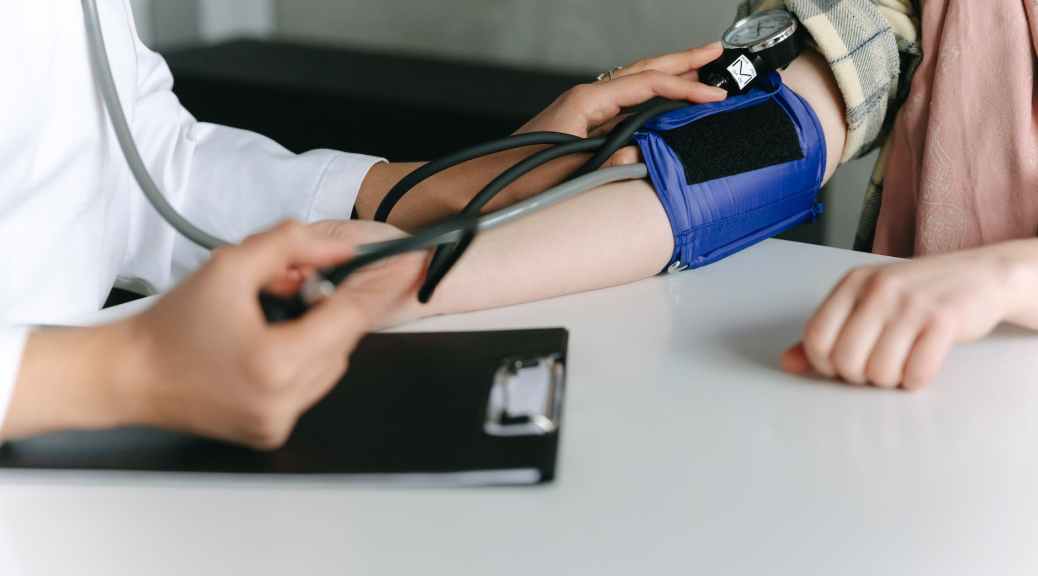
Getting your blood pressure taken is a routine part of any visit to the doctor’s office. But did you know that the position you’re in during the measurement can impact the results significantly? Recent research suggests that having your blood pressure taken while lying down may provide more accurate readings and better predictions of certain health risks.

Why Your Position Matters

The American Heart Association presented findings that shed light on how the physical position during a blood pressure measurement can affect the readings and, consequently, our understanding of health risks. The study revealed that adults who exhibited high blood pressure while sitting upright and lying flat on their backs had a higher risk of stroke, heart failure, premature death, and heart disease compared to those who didn’t have high blood pressure in either position.

Surprisingly, adults who had high blood pressure readings while lying down but not while sitting upright faced similar risks as those with high blood pressure in both positions. These findings emphasize the importance of considering blood pressure readings in different positions to gain a more comprehensive understanding of cardiovascular health.

Surprising Results

The lead author of the study, Duc M. Giao, a researcher and medical student at Harvard Medical School, expressed surprise at the potent predictive power of supine (lying down) blood pressure for cardiovascular disease events. This unexpected discovery challenges the traditional practice of measuring blood pressure while patients are seated.

Understanding the Discrepancy

While these results may raise questions about the accuracy of blood pressure measurements in different positions, it’s essential to clarify that healthcare providers are not necessarily doing something wrong by measuring blood pressure while patients are sitting up. The discrepancy observed in some individuals between blood pressure readings in the seated and supine positions may be due to specific circumstances affecting those individuals.

Takeaway for Patients

For patients, the key takeaway is that high blood pressure remains a critical indicator of cardiovascular health. Identifying high blood pressure is a crucial step in cardiovascular intervention. However, there’s no one-size-fits-all approach to measuring blood pressure in different positions. While these findings suggest that it might be worthwhile for some individuals to have their blood pressure taken while lying down, it’s essential to consider individual circumstances.

Future Research

In the future, researchers plan to compare supine blood pressure measurements taken in clinical settings with those obtained overnight. This will provide further insights into the variations in blood pressure readings and help refine our understanding of how different factors can influence these readings.

Keeping It Simple

While it’s valuable to be aware of the potential differences in blood pressure readings based on position, it’s also crucial not to overcomplicate the process for patients. Monitoring your numbers regularly, including your blood pressure, remains an essential part of understanding your risk of heart disease. Your healthcare provider can guide you on the best approach for measuring and managing your blood pressure based on your unique health profile.

In conclusion, while the position during blood pressure measurement may impact readings, the focus should remain on early detection and intervention for high blood pressure—a crucial aspect of cardiovascular health management.

Cited Work

Mastroianni, Brian. “High Blood Pressure Readings Taken While Lying Down May Better Predict Heart Health Issues.” Health, September 25, 2023. https://www.health.com/blood-pressure-reading-lying-down-7971756.

How Does Early Diagnosis Impact Life Expectancy in Diabetes?

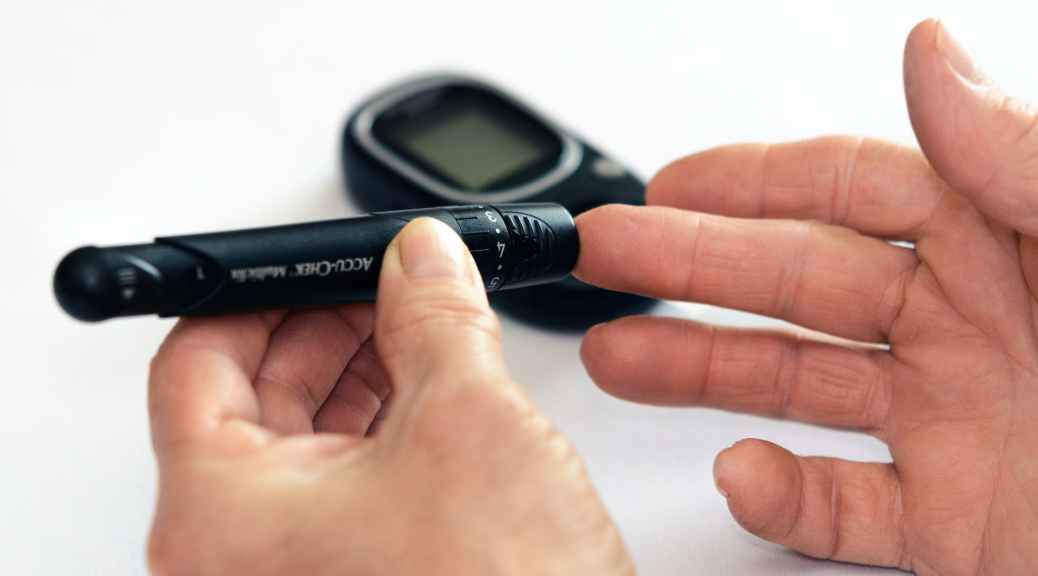
The Impact of Early Diagnosis on Life Expectancy in Diabetes

In the contemporary era of heightened health awareness, individuals are often exposed to alarming statistical data. However, few findings capture our attention as profoundly as the most recent research investigating the relationship between diabetes and life expectancy. The findings of new research published in the journal Diabetes and Endocrinology shed light on the significant impact of the age at which an individual is diagnosed with diabetes on their overall life expectancy.

The statistics are alarming

In 2021, there will be a global incidence of diabetes among 537 million adults. Among the individuals, there has been a noticeable increase in the proportion of young people. According to somber prior research, people with type 2 diabetes tend to die younger than their non-diabetic counterparts by about six years. So far, there has been a dearth of research examining the influence of age on diabetes diagnosis and life expectancy.

The findings of recent research studies

This research comprehensively analyzed population-based data from nineteen high-income nations, using two prominent data sources—the Emerging Risk Factors Collaboration (ERFC) and the UK Biobank. The researchers have made a significant finding, indicating that for each decade by which an individual obtains a diabetes diagnosis at an earlier stage, there is a corresponding reduction of around three to four years in their overall life expectancy.

Consider the following: Was the individual diagnosed at the age of 30? Individuals with diabetes are at an increased risk of experiencing a reduced lifespan of around 14 years compared to those without diabetes. Was the individual diagnosed at the age of 40? One’s lifespan is diminished by around ten years. The veracity of these figures is indisputable.

The Frightening Connections

The investigation also revealed that early identification of diabetes significantly amplifies mortality rates associated with vascular and non-neoplastic ailments, encompassing various situations such as strokes and respiratory disorders. Females have a somewhat elevated susceptibility compared to males, and those diagnosed at a younger age encounter increased fatality rates.

In order to achieve meaningful results, it is essential to take action rather than relying just on verbal expressions. While words may convey intentions and ideas, they alone cannot bring tangible outcomes. By actively engaging in actions that align with our goals and

These results must be considered. The study emphasizes the pressing need to formulate and execute preventive measures, specifically focusing on the younger adult population. This report serves as a compelling reminder that an early diagnosis of diabetes is strongly associated with a significantly reduced lifespan. As health awareness continues to grow, research has shown that an early diagnosis of diabetes can have a significant impact on overall life expectancy. According to recent studies, people diagnosed with type 2 diabetes tend to die six years earlier than their non-diabetic counterparts. However, a new study published in the journal Diabetes and Endocrinology has revealed that the age at which an individual is diagnosed with diabetes significantly impacts their overall life expectancy.

The study analyzed population-based data from nineteen high-income countries using the Emerging Risk Factors Collaboration (ERFC) and the UK Biobank. The results are alarming, showing that for each decade by which an individual obtains a diabetes diagnosis at an earlier stage, there is a corresponding reduction of around three to four years in their overall life expectancy.

For example, an individual diagnosed with diabetes at age 30 is at an increased risk of experiencing a reduced lifespan of around 14 years compared to those without diabetes. Similarly, an individual diagnosed with diabetes at 40 will experience a reduced lifespan of around ten years. The study also revealed that early identification of diabetes significantly amplifies mortality rates associated with vascular and non-neoplastic ailments, such as strokes and respiratory disorders.

Females have a somewhat elevated susceptibility compared to males, and those diagnosed at a younger age encounter increased fatality rates. It is, therefore, essential to take action and implement public health measures that demonstrate efficacy in preventing or postponing the onset of diabetes. The study emphasizes the pressing need to formulate and execute preventive measures, specifically focusing on the younger adult population.

It is time to enhance consciousness, promote the need for transformation, and implement strategic measures to address the challenges posed by diabetes effectively. We must prioritize and take action to prevent and postpone the onset of diabetes to restore a significant amount of life. The lives of individuals are at stake, and we must not delay any further.

While the text emphasizes the pressing need to formulate and execute preventive measures, it does not specify the measures. It would be helpful to know what specific actions can be taken to prevent or postpone the onset of diabetes.

The need to take action is evident. There is a pressing need to implement public health measures that demonstrate efficacy in preventing or postponing the onset of diabetes. It is essential to enhance consciousness, promote the need for transformation, and implement strategic measures to address the challenges posed by diabetes effectively. The lives of individuals are at stake. The objective is focused on preventing a particular ailment and restoring a significant amount of lifespan. We must refrain from delaying any more.

Cited Works:

Estimating life expectancy based on the age of type 2 diabetes diagnosis. (2023, September 13). News-Medical.net. https://www.news-medical.net/news/20230913/Estimating-life-expectancy-based-on-the-age-of-type-2-diabetes-diagnosis.aspx

New Findings: The Fusion of Knowledge Representation Models and Collective Intelligence in Medical Diagnostics


For centuries, the field of medicine has relied on the expertise of individual doctors and diagnosticians to make informed decisions regarding patient health. However, as medical knowledge expands exponentially and diseases evolve and intermingle, the accuracy of diagnosis based on a singular perspective is being challenged. Enter the fusion of knowledge representation models and collective intelligence (CI) in medical diagnostics.

Combining Forces: Knowledge Representation & CI
A groundbreaking study recently published in the Proceedings of the National Academy of Sciences has delved into the exciting intersection of knowledge representation models and CI. The paper proposed a combined approach for complex decision-making tasks and used general medical diagnostics for practical understanding.

The conventional usage of CI in decision-making, whether in investment or geopolitical spheres, typically revolves around more straightforward tasks. The idea of employing it for something as intricate and open-ended as medical diagnostics is both revolutionary and demanding.

Why This matters
In the US alone, misdiagnoses have been cited as primary contributors to patient mortality. Besides the dire consequence of loss of life, misdiagnosis places undue stress on our healthcare resources, contributes to morbidity, and critically erodes public trust in medical institutions.

While automated, algorithm-based solutions have been considered, they come with drawbacks. For one, healthcare professionals, who often have decades of training and experience, hesitate to put blind faith in algorithmically derived solutions. And then there is the issue of computational challenges. The vast nature of the diagnostic space can be overwhelming for algorithms that do not have domain-specific tuning, making human intervention a necessity.

However, a guided search process is crucial for humans to sift through this expansive diagnostic realm effectively. This is where knowledge representation models come into play. They structure potential solutions hierarchically, allowing for a more streamlined decision-making process.

With its inherent strength derived from the combined intelligence of multiple diagnosticians, CI emerges as a robust tool in this setup. Through independent decisions, group consultations, or other mechanisms, CI can minimize diagnostic errors drastically.

Treading New Ground
This nascent intersection of knowledge representation models and CI in medical diagnostics opens up a new realm of possibilities. Though limited studies currently explore this union, the initial results are promising. As the medical community delves deeper, we could be on the brink of a diagnostic renaissance, where decisions are sharper, more accurate, and broadly informed.


The world of medical diagnostics is on the cusp of transformation. While we are yet to fully harness the combined might of knowledge representation models and CI, the early indications point towards a future where accurate medical diagnosis is not just an aspiration but a norm.

Source:

Study explores the use of collective intelligence to improve medical diagnosis.https://www.news-medical.net/news/20230817/Study-explores-the-use-of-collective-intelligence-to-improve-medical-diagnosis.aspx?fbclid=IwAR02SuXdfUCA4LxsJNZzc4jcufeBPSpNWn5J-H1c1v0uXjmTpfqA0ZwzNvA

Three hundred health initiatives have been introduced

More than three hundred health initiatives have been introduced under the Trump presidency. The little-used statute recognized as the Congressional Review Act helps a new government to oversee the revocation of the regulations. However, Congress has not attempted to use it to date, and the president has not requested it. The legislation extends, with a few variations, to policies concluded between 21 August 2020 and 20 January 2021. It is only valid for the first 60 parliamentary days of the current Congress.

In 2017, Republicans abrogated a family planning policy by the Congressional Review Act. The administration of Biden may well be the one to assess it. Using the act is dangerous, too. No administration will issue an “equivalent” rule under its provisions. Many revisions to Trump’s agenda are part of broader legislation affecting a wide range of topics. The Senate also has a chief for the Management and Budget Bureau to confirm, and the current Secretary for Health and Human Services, Xavier Becerra, was sworn in last week.

Congress could shift to the Act of Congressional Review. The act was not included during the transfer from Obama to Biden. For both the Biden government and the new Congress, the change process was turbulent. It is not too late for Congress to apply the act to a Trump law at the last minute, which allows HHS to revise 18,000 regulations. This might be a cleaner approach to avoid the sunset clause, which asks for a range of laws to be checked.

Reference

How Biden Could Quickly Undo Trump Era Health Policies, https://www.npr.org/sections/health-shots/2021/03/26/981410515/how-biden-could-quickly-undo-trump-era-health-policies

Health experts say that at least 70 percent of the country needs to be vaccinated

Health experts say that at least 70 percent of the country needs to be vaccinated to ensure herd immunity and completely eradicate the epidemic that killed more than 300,000 Americans. National polls show a growing number of Americans are willing to get a coronavirus vaccine, but some populations, especially Black and Latinos, are reticent. Federal officials are releasing a 95 percent effective vaccine from Pfizer and BioNTech, and on Friday the Food and Drug Administration cleared a second vaccine from Moderna that was almost equally effective in preventing COVID-19 cases. Some people have quoted what the Trump administration calls politicizing a vaccine, despite officials’ denial that policy plays a role in rapid development.

These groups have been reinforced by the coronavirus epidemic, which both eroded trust in traditional institutions and left millions of people with few options for social interaction beyond the internet. Paul Barrett, deputy director of the Stern Center for Business and Human Rights at New York University, told The Hill that the biggest source of coronavirus vaccine disinformation is “the transformation of long-standing anti-vaccine activists. “There is a considerable foundation that existed before anyone heard of COVID-19,” he explained. The same mistrust in institutions that have revived anti-vaccination communities has also led thousands to conspiracy theories.

QAnon, whose followers believe President Trump is trying to expose a dark elite group running child sex trafficking gangs in the media and government, has had a clear benefit of shifting towards this conspiratorial notion. The growth of QAnon may make it difficult to achieve herd immunity as its supporters increase the lies about COVID-19 vaccines, as it is applied with a microchip to control and monitor citizens or Bill Gates is responsible for the coronavirus. “These conspiracy theories are wrong, but I am very concerned that they could enter the mainstream. And if we have people who will not be vaccinated, this makes it much more difficult for us to achieve herd immunity through vaccination and therefore end the epidemic, ”said Leana Wen.

A recent Kaiser Family Foundation survey revealed that 42 percent of Republicans would likely not be or definitely would not be vaccinated against the coronavirus. Vice President Pence and his wife Karen were vaccinated live on television Friday in an attempt to bridge the partisan gap. “Today there are millions of Americans whose most trusted envoy is President Trump. And that’s why it’s really important for President Trump to speak to correct misinformation, ”Wen said.

Trump has repeatedly raised doubts about the seriousness of the epidemic and mocked his use of masks to limit its spread. According to a report from Cornell University, 38 percent of all articles published in January that contained misinformation about the coronavirus outbreak, lawmakers in Congress supporting Trump also said things that could deter vaccine use. Ken Buck said in a Fox Business interview Friday morning that he would not receive the vaccine because he was “more concerned with the illness about the side effects of the vaccine”.

His office later announced that Buck believes people at risk should “get the vaccine immediately”. Right-wing media has also been the driving force of coronavirus misinformation. Beyond restricting current coronavirus misinformation, Barrett said platforms should work to increase information about vaccines from trusted sources. Still, healthcare professionals said tech companies can only go so far.

Reference

Health officials, social media scramble to fight vaccine misinformation. https://thehill.com/policy/technology/530943-health-officials-social-media-scramble-to-fight-vaccine-misinformation

Pfizer will only be able to deliver 2.9 million doses in the first few days

It is expected that Pfizer will only be able to deliver 2.9 million doses in the first few days and only up to 6.4 million doses by 19 December, according to Operation Warp Speed, the government’s vaccine effort.

“As part of the discussion on who should qualify for phase 1b access to the vaccine, ACIP has so far discussed individuals with high-risk medical conditions such as cancer, chronic kidney disease, chronic obstructive pulmonary disease (COPD), immunocompromised organ transplant status, obesity, severe heart disease, sickle cell disease, and type 2 diabetes,” said the Muscular Dystrophy Association.

For example, last month, the head of the Hawaii Healthcare Association told CNN that not a single hospital in Hawaii had a freezer that could remain cold enough to store Pfizer’s coronavirus vaccine and that the state may not have enough access to dry ice to make proper use of the company’s distribution boxes.

They resolve quickly, but CDC and other officials are worried that they might scare some people away from getting a second dose of vaccine and are preparing educational materials to let people know the symptoms are a sign that the vaccine is working to reactivate the body’s immune response and is harmless.

Vaccine counselors have already broken down priority groups into subgroups, and only the first people to receive vaccines have been identified.

Operation Warp Speed Chief Counselor Moncef Slaoui has projected that Pfizer and Moderna can make and deliver between 60 million and 70 million vaccines in January and hopes that two other vaccine makers, AstraZeneca, and Johnson & Johnson, will join the vaccine mix in the coming months.

Moderna and Pfizer each claim that they can take up to a billion doses by the end of 2021, but Moderna say that it could be half that—a product that has never been sold before—and Pfizer has already severely adjusted its timeline for delivery of vaccines after unspecified manufacturing problems.

Slaoui said that up to 15% of Pfizer and Moderna vaccine participants had quite noticeable side effects,” including nausea, body aches, headaches, and chills.

Pfizer’s vaccine had its first scare in the US with a health worker in Juneau, Alaska, suffering from an allergic reaction.

“Around one in every million people who get a vaccine can have a severe allergic reaction to the vaccine,” Dr.

And what about the essential workers? ACIP’s expert bodies, including Johns Hopkins University and the National Academies of Science, Engineering, and Medicine, suggest it will be prudent to vaccinate those who work in food processing, emergency responders, and service workers before the general public.

The US Food and Drug Administration granted emergency use authorization for Pfizer and BioNTech’s vaccine on Friday, and it is widely expected that EUA will give a similar vaccine to Moderna next week.

Reference

Trump says he is ‘not scheduled’ to take Covid-19 vaccine …. https://www.rt.com/usa/509567-trump-white-house-vaccine-later/

Consuming red meat and heavily processed foods raises the risk of heart disease and stroke

Consuming red meat and heavily processed foods raises the risk of heart disease and stroke, according to a new report. The research followed almost 166,000 women and 44,000 men over a span of 24 to 30 years. Red meat, organic meat, processed meat, refined grains, sugary drinks are associated with increased inflammation. Leafy greens, carrots, tomatoes, whole grains, berries, nuts, fatty fish, and olive oil may provide a safe inflammatory response, according to the report. “When selecting food in our diet, we should take care of their pro-inflammatory and anti-inflammatory capacity,” says the editorial. The analysis cannot determine cause and effect, says the Food Information Council official. These results are published in the Journal of the American College of Cardiology. 
Reference
Choose anti-inflammatory foods to lower heart disease and stroke risk, study says.
https://www.cnn.com/2020/12/02/health/anti-inflammatory-foods-heart-disease-wellness/index.html

Processed foods raises the risk of heart disease and stroke

Consuming red meat and heavily processed foods raises the risk of heart disease and stroke. Nearly 166,000 women and 44,000 men followed the study for 24-30 years. Red meat, organ meat, processed meat, refined grains, drinks are associated with increased inflammation. Leafy greens, carrots, onions, whole grains, fruits, nuts, fatty fish, and olive oil, experts claim, will promote the safe inflammatory reaction. Mediterranean diet is one of the world’s healthiest diets, the International Food Knowledge Council stated.

The western diet is full of over-processed, fat-laden foods, sugar beverages, and red and processed meats. Chronic inflammation is related to cancer, heart disease, diabetes, arthritis, depression, and many other conditions. Ninety percent of Americans don’t consume the recommended amount of fruits and vegetables, he says. Many unhealthy, “ultra-processed” foods can also shorten your life, studies have shown. The good news is that anti-inflammatory elements like vitamins, carotenoids, flavonoids can neutralize free radicals.

Reference
Choose anti-inflammatory foods to lower heart disease and stroke risk, study says. https://www.cnn.com/2020/12/02/health/anti-inflammatory-foods-heart-disease-wellness/index.html

COVID-19 assaults our immune system

In an isolated laboratory at the Icahn School of Medicine in Mount Sinai, East Harlem, virologist Benjamin never has been able to decipher how the virus that causes COVID-19 assaults our immune system, wreaking havoc like no other virus he has ever examined.

Every cell of our body shares the same DNA and single-strand RNA, which functions like a machine programming the cell to generate proteins, according to New Yorker. SARS-CoV-2 disrupts programming by replacing 60 percent of this software in every cell it infects. Just 1% of the RNA in each cell is replaced by a normal virus.

The novel coronavirus shuts down just one arm of our immune system — the one that alerts other cells to protect themselves from viral spread — while leaving the other arm to run wild. In comparison to other viruses, SARS-CoV-2 does not modulate the second immune response that sends cytokines across the body to summon white blood cells.

Reference
Researchers Discover How COVID-19 Attacks Our Immune …. https://www.newsmax.com/health/headline/immune-system-cytokine-storm-viral-spread/2020/11/03/id/995070/.

It has been more than 300 days since Chinese authorities first told the World Health Organisation

It has been more than 300 days since Chinese authorities first told the World Health Organisation that Wuhan residents were sick with a mysterious virus. Scientists discovered soon what the virus was (a coronavirus) and what it did (make people ill with a disease called COVID-19), and it spread across the globe like flames.

More than 1 million people have died worldwide, hundreds of thousands get sick every day, and the United States is the world’s most significant disease.

Researchers were still unsure how the virus spread, why people were infectious, or whether one could get it twice when we released our first guide to the coronavirus. These questions may have some residual confusion, but scientists have made some remarkable strides in responses.

Reference
The global death toll from COVID-19 surpasses 1 million – CNET. https://www.cnet.com/health/global-death-toll-from-covid-19-surpasses-1-million/