Healthy eating goes beyond selecting nutritious foods; it encompasses how you approach your meals and engage with your food. This concept is known as mindful eating, and it can transform your relationship with food and your overall well-being.
Mindful eating is the practice of being fully present during your meals. It involves savoring each bite, paying attention to your food’s colors, textures, and flavors, and listening to your body’s hunger and fullness cues. Here are some fundamental principles of mindful eating:
Eating without distractions: Turn off the TV, put away your phone, and create a peaceful environment for your meal. This allows you to focus on eating and fully enjoy your food.
Chewing slowly: Take the time to chew your food thoroughly. Not only does this aid in digestion, but it also allows you to savor the taste and texture of each bite.
Listening to your body: Pay attention to your body’s signals of hunger and fullness. Eat when you’re hungry and stop when you’re satisfied, not when your plate is empty.
Appreciating your food: Cultivate gratitude for the food on your plate. Consider where it came from, how it was prepared, and the nourishment it provides.
Recognizing emotional eating: Be mindful of emotional eating patterns, such as eating in response to stress or boredom. Instead, find healthier ways to cope with emotions, such as meditation or exercise.
Practicing mindful eating can have numerous benefits. It can help you develop a healthier relationship with food, reduce overeating, and promote better digestion. Additionally, it can enhance your appreciation for the culinary experience and improve your overall sense of well-being.
In conclusion, mindful eating is an essential component of healthy eating. By being fully present during your meals and savoring each bite, you can nourish your body and soul. It’s a practice that can transform how you approach food and lead to a more mindful and fulfilling life.
Achieving and maintaining good health requires a well-balanced diet that includes the right proportions of macronutrients: carbohydrates, proteins, and fats. Each of these macronutrients plays a crucial role in your body’s functions, and finding the right balance can significantly impact your overall well-being.
Carbohydrates: Carbohydrates are your body’s primary source of energy. They provide glucose, which fuels your cells and powers your daily activities. Choose complex carbohydrates like whole grains, legumes, and vegetables for sustained energy and fiber that supports digestive health.
Proteins: Proteins are essential for the repair and growth of tissues in your body. They are composed of amino acids, which are the building blocks of life. Include lean protein sources like poultry, fish, beans, and tofu to support muscle development and repair.
Fats: Dietary fats are essential for various bodily functions, including the absorption of fat-soluble vitamins (A, D, E, and K), brain health, and hormone production. Opt for healthy fats like those found in avocados, nuts, seeds, and olive oil while limiting saturated and trans fats found in processed and fried foods.
Finding the right balance of these macronutrients is a personal journey and can vary depending on age, activity level, and individual health goals. However, a general guideline is to aim for a diet that consists of approximately 45-65% carbohydrates, 10-35% protein, and 20-35% fat.
Balancing your macronutrients is essential for maintaining energy levels, weight management, and overall health. Remember that moderation is necessary, and choosing high-quality sources of each macronutrient is crucial for the best results.
In conclusion, achieving a well-rounded diet involves understanding and balancing the macronutrients in your meals. Paying attention to the types and proportions of carbohydrates, proteins, and fats you consume can support your body’s functions and promote optimal health.
Healthy eating is not just a trend but a fundamental aspect of maintaining overall well-being. To embark on a journey towards healthier eating habits, it is essential to understand the foundation of this lifestyle: nutrient-dense foods.
Nutrient-dense foods provide a high concentration of essential nutrients, vitamins, and minerals per calorie. These foods are packed with the goodness your body craves without the excess calories that can lead to weight gain and other health issues. Let us explore the significance of incorporating nutrient-dense foods into your diet.
When you prioritize nutrient-dense options, you give your body the tools to thrive. These foods provide essential vitamins like A, C, D, and E and minerals such as calcium, potassium, and magnesium. They also offer a rich source of dietary fiber, which aids in digestion and helps you feel fuller for longer.
Examples of nutrient-dense foods include leafy greens like spinach and kale, colorful vegetables like bell peppers and carrots, lean proteins such as chicken breast and tofu, whole grains like quinoa and brown rice, and healthy fats like avocados and nuts. By incorporating these foods into your meals, you can ensure you nourish your body with the nutrients it needs to function optimally.
One of the significant advantages of nutrient-dense foods is that they promote better overall health. They can help you maintain a healthy weight, support your immune system, and reduce the risk of chronic diseases such as heart disease, diabetes, and certain types of cancer. Additionally, nutrient-dense foods can enhance your energy levels and cognitive function, allowing you to lead a more active and fulfilling life.
In conclusion, prioritize nutrient-dense foods if you want to change your diet positively and embrace a healthier lifestyle. These choices give your body essential nutrients and promote long-term health and well-being. Remember, healthy eating is not about deprivation but about nourishing your body with the best possible fuel.
Citations:
Fasting, W. I. I. Foods to Avoid While Intermittent Fasting: A Comprehensive Guide Optimizing Your Intermittent Fasting Journey: A Comprehensive Guide to Foods to Avoid.
Hernandez, J. (2023). Knowing Why We Eat, Understanding the Factors Influencing Food Choices: Discover the Secret to Achieving the Body You Want With a Simple 7-Step Plan. F4URY.
Consuming red meat and heavily processed foods raises the risk of heart disease and stroke, according to a new report. The research followed almost 166,000 women and 44,000 men over a span of 24 to 30 years. Red meat, organic meat, processed meat, refined grains, sugary drinks are associated with increased inflammation. Leafy greens, carrots, tomatoes, whole grains, berries, nuts, fatty fish, and olive oil may provide a safe inflammatory response, according to the report. “When selecting food in our diet, we should take care of their pro-inflammatory and anti-inflammatory capacity,” says the editorial. The analysis cannot determine cause and effect, says the Food Information Council official. These results are published in the Journal of the American College of Cardiology. Reference Choose anti-inflammatory foods to lower heart disease and stroke risk, study says. https://www.cnn.com/2020/12/02/health/anti-inflammatory-foods-heart-disease-wellness/index.html
According to the Centers for Disease Control and Prevention, these indoor behaviors are far more dangerous indoors during the pandemic. More than 60 positive coronavirus cases were connected to one spin studio last month in Hamilton, Ontario. Indoor behaviors do not all bear the same degree of risk, health experts say. The airflow, which can be controlled by air quality expert Richard Corsi, is a critical indoor variable. Some gyms and indoor sports facilities have upgraded air filtration systems and security cleaning plans. In the U.S., 8 out of 10 deaths associated with coronavirus were among people 65 and older. Vast indoor fields are less dangerous than big indoor gymnasiums or tennis courts with a few people playing far apart. Especially when sweating and heavy breathing are risky, exercise without social distance is risky. While the chances are small, the virus could be transmitted by handling equipment or picking up a ball. Spend less time running if you go to a gym or an indoor court.
Vaccinium macrocarpon is the official name of the cranberry. Per citizen in the U.S. eats around 2.3 pounds of cranberries a year. There are a variety of ways you can eat cranberries, like raw, dried, and fried in the sauce. New cranberries are higher in nutrients such as fiber, potassium, and main vitamins; they are much higher in calories and sugar. The fruit grows in the bogs of New Jersey, Massachusetts, Oregon, Washington, and Wisconsin, among other states and portions of Canada. The English mossberry, a smaller variety of cranberry, will survive on vines in Europe for more than 100 years, according to the Cape Cod Cranberry Growers Association. Reference Should You Eat Cranberries? The Benefits, Nutrition, and More. https://www.msn.com/en-us/health/nutrition/should-you-eat-cranberries-the-benefits-nutrition-and-more/ar-BB1b6mhR
More and more details appear on masks that are safe and therapeutic and as effective as a vaccine. Data also indicate that masks can also be worn during exercise. It does not change the amount of oxygen in the blood, so it can be worn when running or driving.
However, the guidelines for preventive measures in gyms and yoga institutes of the Ministry of Health stated that while masks are compulsory within the premises, they are not required during exercise.
Just a viewfinder should be used as far as possible during yoga practice or exercise in gymnasiums. The use of masks (in particular N-95 masks) during exercise can cause trouble breathing.
Several physicians, coaches, and athletes agreed that wearing masks during exercise could impede airflow, particularly oxygen flow. They indicated that masks could increase the absorption of carbon dioxide and increase the heart rate, raising the risk of failure.
Over 80 percent of 200 COVID-19 sufferers in a hospital in Spain have vitamin D deficiency, relating to new research published when looking at the Endocrine Society’s Journal of Clinical Endocrinology & Metabolism.
Vitamin D is a hormone the kidneys generate that manages blood calcium amount and impacts the immune protection system. Vitamin D deficiency happens to be connected to many health problems, although scientific studies are still underway into why the hormone impacts other systems regarding the body. Many studies point out the beneficial affectation of vitamin D on the immune protection system, especially about protecting infections.
“One approach is always to identify and treat vitamin D deficiency, particularly in high-risk individuals, for instance, the elderly, patients with comorbidities, and nursing home residents, who will be the key target population for the COVID-19,” said study co-author José L. Hernández, Ph.D., regarding the University of Cantabria in Santander, Spain. “Vitamin D treatment should always be recommended in COVID-19 patients with lower levels of vitamin D circulating when you look at the blood because this approach could have beneficial effects both in the musculoskeletal in addition to the immune protection system.”
The investigators found that 80 percent of 216 COVID-19 patients in the Hospital Universitario Marqués de Valdecilla had vitamin D deficiency, and men had lower vitamin D levels than women. COVID-19 patients with reduce vitamin D levels also had increased serum amounts of inflammatory markers such as ferritin and D-dimer. Reference Over 80% of Hospitalized COVID-19 Patients Have Vitamin D Deficiency, Study Finds. https://scitechdaily.com/over-80-of-hospitalized-covid-19-patients-have-vitamin-d-deficiency-study-finds/
CrossFit workouts are notable for their strength, combining rate with regular weight training and calisthenic exercises. Exercises regarding the day (WODs) usually involve doing as many reps as possible (AMRAP) in a limited period. However, while there is no doubting its appeal — you can find 13,000 CrossFit gyms much more than 120 countries — CrossFit has usually run afoul of workout traditionalists who believe speed, and weight lifting does not mix.
Given CrossFit’s reputation, it is no surprise that the very last decade has produced several studies checking out damage rates among individuals. Despite a deep dive to the realm of CrossFit, results have already been equivocal: some studies suggest the rate of damage is not any more than in other leisure sports, as well as others suggest that CrossFit enthusiasts are undoubtedly prone to damage.
An element of the reason there is such a selection of outcomes is the fact that there is no one standard concept of injury. Depending on the study, damage can vary anywhere from the stoppage in training or a trip up to a healthcare professional to allowing research topics to self-determine if they are hurt. The wider this is, the higher the sheer number of injuries recorded. However, the most recent study, published in the might problem of the Orthopaedic Journal of Sports Medicine, took a somewhat various approach, comparing damage rates of CrossFit and traditional weight training exercise enthusiasts inside the same geographic location and the same period.
The investigation team distributed a questionnaire asking about damage history to seven gyms in Pennsylvania, three of which defined as CrossFit gyms. They additionally distributed the questionnaire to individuals on several e-mail lists linked to the Hershey infirmary and Pennsylvania State University College of Medicine. They received 411 reactions — 122 from CrossFit participants and 289 from those that advertised to follow along with a far more traditional weight training exercise routine.
The CrossFit group had more females and had been over the age of the old-fashioned weightlifting group, but both sets of exercisers resolved about four times per week so that you can take two hours per session. About half the respondents from both groups reported being injured within the last few couples of years, because of the CrossFit participants 1.3 times more prone to be injured and 1.86 times prone to get medical assistance.
The shoulder ended up being the most frequent web site of injury among all participants, followed closely by the lower as well as sides. Neat and jerk lifts, dead-lifts and snatch motions had been the workouts probably to cause injury among the list of CrossFit participants. Within the traditional weightlifting group, barbell and dumbbell bench press exercises, dead-lifts and straight back squats had been often related to damage. Men were much more likely than ladies to obtain hurt both in CrossFit and traditional weight training exercise routines.
Despite the high rate of problems for CrossFit individuals, the investigation team, recommended it had been the strength of this exercise, perhaps not the workouts themselves, that resulted in more injuries. They stated that “many of the same workouts and the body regions are taken into account the same percentage of injury in both CrossFit and conventional weightlifting groups.”
CrossFit boasts of a culture that pushes individuals to their real restrictions — which will be when type and method may start to have sloppy. While the intensity, competitive atmosphere and fast speed of this work out are really what more and more people find compelling, workout specialists have long preached that after the technique is sacrificed in preference of more reps, damage risk escalates.
For the record, CrossFit has asked that the Orthopaedic Journal of Sports Medicine withdraw the paper, saying it “is beset with medical error, cites retracted studies that contained fabricated data and inaccurately cites other studies concerning our CrossFit® brand.” CrossFit has aggressively pursued a few medical journals that published studies suggesting that injury rates among CrossFit participants are more than in other kinds of workouts.
Nevertheless, the outcomes of the most recent study do not suggest the injury prices can be worth abandoning all of that makes CrossFit so accessible. The camaraderie, competition, and work out variety are positives. Problems occur whenever a method is compromised as a result of tiredness. Therefore the more physically demanding and much more technical lifts or exercises must be done early in work out, before exhaustion sets in. Alternatively, the tradition should switch to put more value on technique, in the place of on notching another rep or completing a set in record time.
CrossFit has had people and kept individuals during the fitness center. It has also fundamentally changed the way we exercise when you are an extremely early adapter of high-intensity interval training. That said, not absolutely all CrossFit gyms are manufactured equal; some staff tends to be more knowledgeable and respectful of exercise technique than the others. Then when it comes to CrossFit or another workout, never sacrifice strategy in preference of one last rep.
Being physically active is a significant step toward good heart health. It is one of the most reliable tools for strengthening the heart muscle, maintaining the weight under control and warding from the artery damage from high cholesterol, high blood sugar and high blood pressure that will lead to a heart attack or stroke.
Stretching before a bike ride It is also correct that different kinds of exercise are required to provide complete fitness. Aerobic fitness exercise and strength training will be the most significant for heart health. Although flexibility does not contribute directly to heart health, it is nevertheless significant as it provides an excellent foundation for performing aerobic and strength exercises more effectively.
The advantage of different exercises:
Aerobic Workout Aerobic fitness exercise improves circulation, which results in lowered blood pressure and heart rate. Also, it raises the general aerobic fitness, as measured by a treadmill test, for example, plus it helps the cardiac output (how good your heart pumps). Aerobic fitness exercise also reduces the chance of type 2 diabetes and, if a person already lives with diabetes, can help to control the blood glucose.
Ideally, at the very least thirty minutes just about every day, at the least five days per week.
Examples: Brisk walking in the park, running, swimming, cycling, playing tennis, and jumping rope. Heart-pumping aerobic fitness exercise is the kind that doctors are thinking about if they recommend at least 150 minutes each week as moderate activity.
Weight Training (Strength Work) Strength training has a far more specific effect on body composition, Stewart says. For people who are carrying a great deal of surplus fat (including a large belly, which will be a risk factor for heart disease), it can benefit reduce fat and create leaner muscle mass. Studies have shown that a mix of aerobic fitness exercise and resistance work might help elevate HDL (good) cholesterol and lower LDL (bad) cholesterol in one’s body.
At least two nonconsecutive days per week of strength training is an excellent rule of thumb, based on the American College of Sports Medicine.
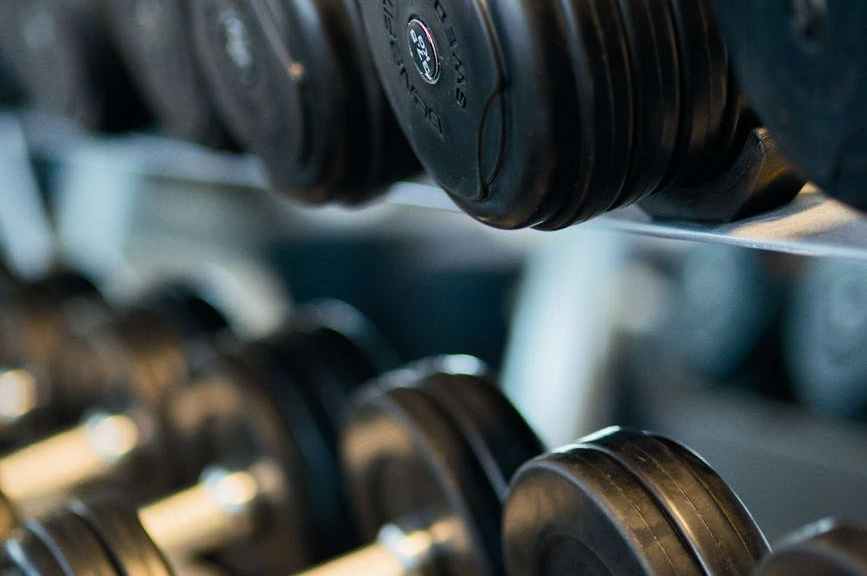
Examples: Working out with free weights (such as hand weights, dumbbells or barbells), on weight machines, with resistance bands or through body-resistance exercises, such as push-ups, squats, and chin-ups.
Stretching, Flexibility, and Balance Flexibility workouts, such as stretching, do not directly donate to heart health. Whatever they do is benefit musculoskeletal health, which lets one stay flexible and free of joint pain, cramping along with other muscular issues. That flexibility is a vital part of being able to maintain aerobic workout and strength training, says Stewart.
“If you have got a beneficial musculoskeletal foundation, that permits you to do the exercises that help your heart,” he says. As a plus, flexibility and balance exercises help maintain stability and prevent falls, which can cause injuries that limit other kinds of exercise.








 The Dantzler Report!