Tag Archives: inflammation

How reliable are the findings that suggest emulsifiers in processed foods may increase cardiovascular risk, and what further research is needed to confirm or refute this association?

A ground-breaking study by The BMJ sheds harsh light on the potential dangers lurking within our favorite processed foods in a shocking revelation that could shock the food industry. Brace yourself for this unsettling truth: those seemingly harmless emulsifiers, the very substances that make our indulgent treats extra mouthwatering, might actually be silently plotting against our cardiovascular health. Yes, you read that right. The very same additives found in pastries, ice cream, and ready meals could be putting our hearts at risk. It’s time to take a closer look at what we’re really consuming.

Food additives, including emulsifiers, undergo regular safety assessments based on the scientific evidence available. However, recent studies indicate these emulsifiers may disrupt gut bacteria and heighten inflammation levels, potentially increasing susceptibility to cardiovascular problems.

To investigate the potential health risks further, researchers in France undertook a study to establish possible links between exposure to emulsifiers and the risk of cardiovascular disease, including coronary heart disease and cerebrovascular disease. These diseases affect blood flow and blood vessels in the heart and brain. The study involved 95,442 French adults with no history of heart disease and averaged follow-up records for seven years. Participants provided detailed dietary records and any major CVD events they experienced.

The study revealed that higher intake of specific types of emulsifiers—total celluloses (E460–E468), cellulose (E460), and carboxymethylcellulose (E466)—was positively correlated with higher risks of CVD and, specifically, coronary heart disease. In addition, higher intakes of monoglycerides and diglycerides of fatty acids (E471 and E472) were related to higher risks across all studied outcomes. Among these emulsifiers, specific types were associated with higher risks of CVD and cerebrovascular diseases.

It is essential to note that this is an observational study and cannot definitively establish causality. The researchers acknowledged limitations such as the high proportion of women and the generally higher educational background of the participants, which may affect the generalizability of the findings. Despite these limitations, the study could prompt a reevaluation of regulations concerning the use of food additives in the food industry to protect consumers.

Given these findings, several public health authorities recommend reducing the consumption of ultra-processed foods to limit exposure to these potentially harmful additives. This study serves as a cautionary note, urging both the public and regulatory bodies to scrutinize the long-term effects of substances that are so widely incorporated into modern diets.

According to the text, the specific types of emulsifiers that are positively correlated with higher risks of CVD and, specifically, coronary heart disease are total celluloses (E460–E468), cellulose (E460), and carboxymethylcellulose (E466). The text also mentions that recent studies indicate these emulsifiers may disrupt gut bacteria and heighten inflammation levels, potentially increasing susceptibility to cardiovascular problems. To limit exposure to these potentially harmful additives, several public health authorities recommend reducing the consumption of ultra-processed foods.

Cited Works:
News-Medical.net. “High Intake of Emulsifiers May Increase Risk of Cardiovascular Disease,” September 7, 2023 https://www.news-medical.net/news/20230907/High-intake-of-emulsifiers-may-increase-risk-of-cardiovascular-disease.aspx.

Komulainen, Pirjo. “The Association of Vascular and Neuroprotective Status Indicators with Cognitive Functioning: Population-Based Studies (Verisuonisairauksien RiskitekijöIden Ja AivoperäIsen HermokasvutekijäN Yhteys Kognitiiviseen Toimintakykyyn – VäEstöTutkimus)” https://core.ac.uk/download/pdf/15167220.pdf.

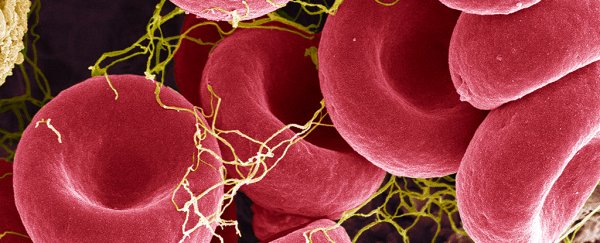
Red blood cells Important in the inflammation process

According to a recent research, red blood cells are also important in the process of inflammation. When a patient has an infection such as malaria, sepsis, or a bacterial infection, they are more likely to develop acute inflammatory anemia. It is believed that red blood cells combat infection by scavenging mitochondrial DNA fragments that escape from wounded tissues. Why does a red blood cell transform from an oxygen-delivering cell into a disease-fighting machine, you may wonder? It has been a long time since we have understood why persons who are severely unwell with sepsis, trauma, COVID-19, a bacterial infection, or a parasite infection develop acute anemia.

(Science Photo Library, Steve Gschmeissner/Brand X Pictures/Getty Images)

This engulfing triggers a chain reaction of inflammatory messengers, which effectively signals the immune system to respond in a time-sensitive manner. A higher level of mitochondrial DNA was found in mice infected with parasites as compared to red blood cells from non-infected animals, the researchers found. The standard practice currently in place when patients in the ICU [intensive care unit] become anemic, which occurs in almost all of our critically ill patients, is to administer blood transfusions, which has long been associated with a number of complications, including acute lung injury and an increased risk of death, according to Mangalmurti.

The induction of inflammation in areas of the body that are ordinarily not at risk of infection may be problematic, particularly in those who suffer from autoimmune illnesses.

Reference

Discovery Points to a Crucial Role Red Blood Cells Play in Our Immune Systems, https://www.sciencealert.com/red-blood-cells-play-a-much-greater-role-in-our-immune-system-than-we-thought?fbclid=IwAR0q44-OZClyDCcDJnNSCBluX9liisA_N0h8D9v7O9I2nghUU0LQNpli4KU

Consuming red meat and heavily processed foods raises the risk of heart disease and stroke

Consuming red meat and heavily processed foods raises the risk of heart disease and stroke, according to a new report. The research followed almost 166,000 women and 44,000 men over a span of 24 to 30 years. Red meat, organic meat, processed meat, refined grains, sugary drinks are associated with increased inflammation. Leafy greens, carrots, tomatoes, whole grains, berries, nuts, fatty fish, and olive oil may provide a safe inflammatory response, according to the report. “When selecting food in our diet, we should take care of their pro-inflammatory and anti-inflammatory capacity,” says the editorial. The analysis cannot determine cause and effect, says the Food Information Council official. These results are published in the Journal of the American College of Cardiology. 
Reference
Choose anti-inflammatory foods to lower heart disease and stroke risk, study says.
https://www.cnn.com/2020/12/02/health/anti-inflammatory-foods-heart-disease-wellness/index.html

10 Foods That Fight Inflammation

There are many drugs that help fight inflammation, but did you know there are also foods that fight inflammation? Here’s a list of foods that have been found to decrease inflammation in the body.

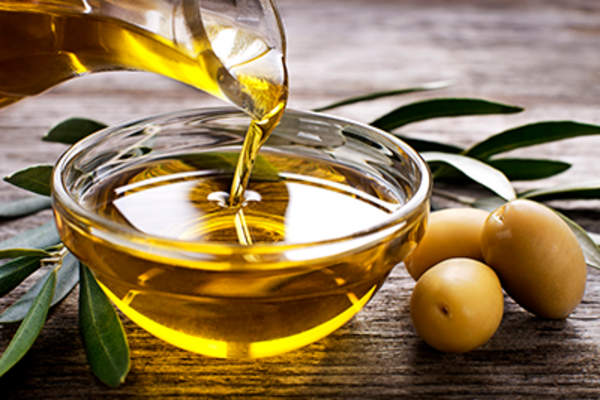
Extra-virgin olive oil

Extra-virgin olive oil – an unrefined type of olive oil – contains a substance called oleocanthol that interferes with two enzymes (COX-1 and COX-2) involved with inflammation in the body. In fact, a 2005 study in the journal Nature found that oleocanthol inhibits inflammation in a way that’s identical to the painkiller ibuprofen.

Red wine

This image has an empty alt attribute; its file name is Red-wine-iStock-452113115.jpg

Red wine contains a compound called resveratrol, which has been found to have both anti-inflammatory and anti-cancer properties. Scientists say the presence of this compound may help explain the so-called “French paradox” as to why the French – who drink red wine with most meals – can eat a diet that’s actually quite high in saturated fats and yet have healthy arteries and hearts

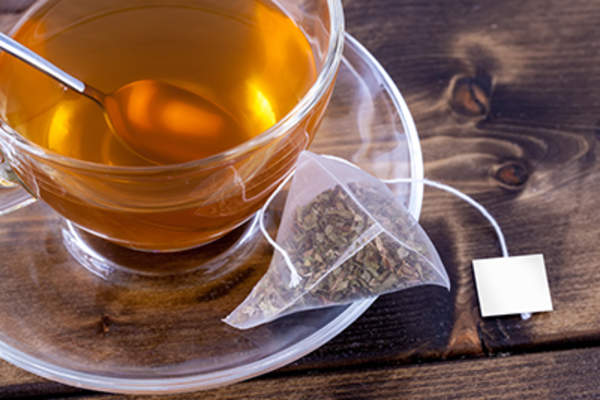
Tea

This image has an empty alt attribute; its file name is Tea-iStock-464628026.jpg

Generally, any beverage that is high in water content will have anti-inflammatory qualities, and tea is a great choice. Teas such as white tea, oolong, and green tea are full of catechins, antioxidant compounds that reduce artery plaque and inflammation. Tea also has been linked to reduced risks of heart disease, diabetes, and cancer.

Grass-fed beef

If you’re eating beef that’s not specifically sold as “grass-fed,” it means the cows were fed a high-calorie diet of corn and grain in an effort to fatten them quickly. Corn and grain are full of omega-6 fatty acids, which have been linked to inflammation. Grass-fed cows are leaner, and their meat is rich in healthy compounds such as omega-3 fatty acids and vitamin E.

Oily fish

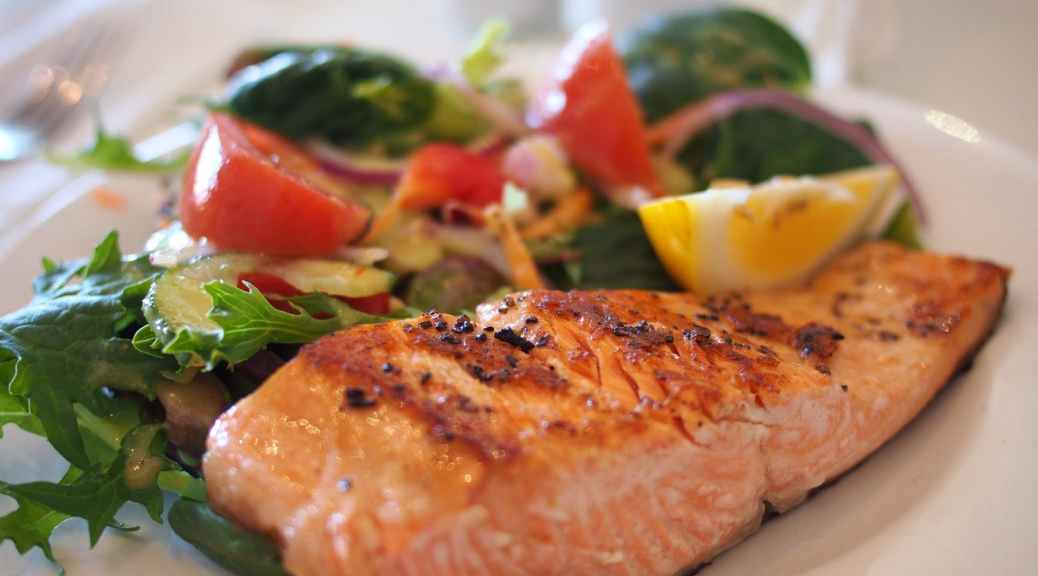
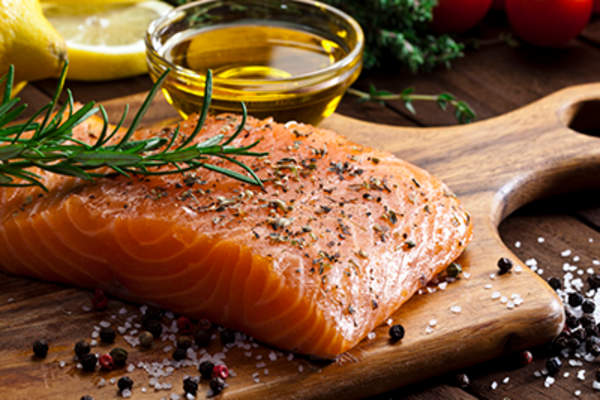
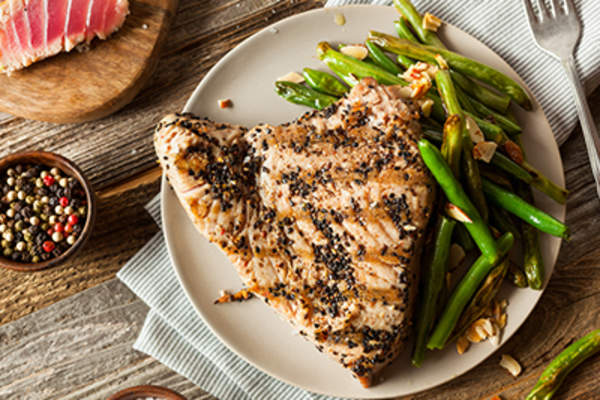
You’ve probably seen bottles of fish oil supplements in your pharmacy or grocery store, but you can get the same healthy boost from going straight to the source, as well. Oily fish such as salmon, sardines, and tuna are fish that have fatty oils throughout the fillets and in the area around the gut, rather than just in just the liver. Experts say eating one to two servings of these fish per week can reduce inflammation.

Cocoa

Cocoa contains anti-inflammatory compounds called flavanols, substances that reduce both blood clotting and inflammation in the body. Enjoying a cup or two of hot cocoa per week can help reduce inflammation, particularly if it’s made with skim or low-fat milk to keep down the drink’s content of saturated fats. Keep in mind, however, that trying to get your cocoa in the form of candy will load you up on saturated fats.

Cranberries

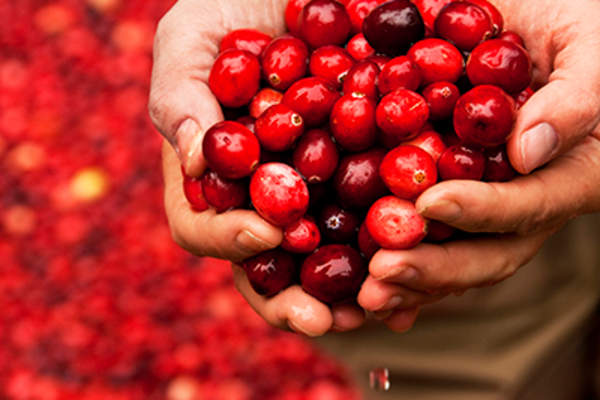
Cranberries are a powerhouse food, with studies linking the red berry to such benefits as inhibiting cancerous tumors and lowering bad (LDL) cholesterol. Scientists say the fact that the berries are rich in anti-inflammatory antioxidants contribute to their healthful effects. As a bonus, cranberries also contain tannins, substances that can act as a natural antibacterial agent to fight urinary tract and E. coli infections

Grapes

A 2004 study found that people with stable coronary disease lowered the amount of inflammatory markers in their blood by drinking Concord grape juice. This finding was likely due to the presence of resveratrol in the grapes’ skins, which inhibits inflammation and may even help to fight cancer. Eating grapes – and not drinking them – also adds fiber to the grapes’ benefits and eliminates any added sugar.

Walnuts

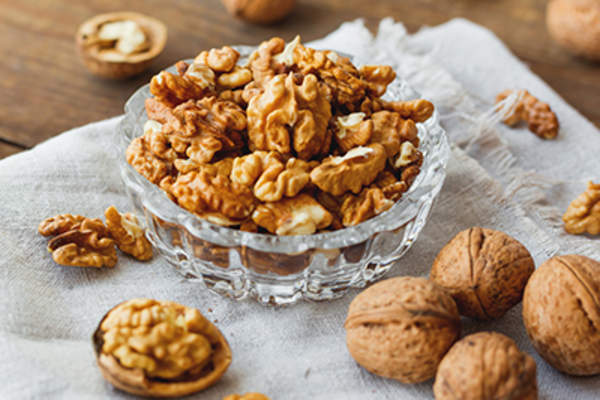
Walnuts contain the “plant version” of omega-3 fatty acids, a substance known as ALA, which reduces inflammation in the body. In a 2004 study published in the Journal of Nutrition, scientists found that people who ate at least 2.3 ounces of walnuts and flaxseed (which also contains ALA) daily had reduced levels of inflammatory markers such as C-reactive protein (CRP), a major indicator of a person’s risk for heart disease.

Broccoli

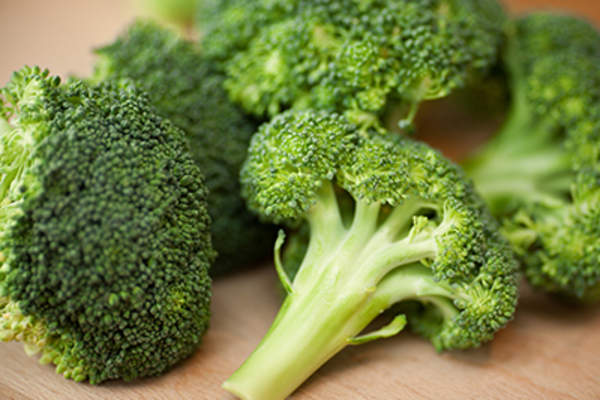
Broccoli is a virtual disease fighter, rich in such healthy compounds as beta-carotene, vitamin B folate, vitamin C, and the inflammation-fighting flavanoid kaempferol. Broccoli also contains sulforaphane, which experts say helps the body cleanse itself of cancer-causing compounds.


Experts say anxiety might be alleviated by regulating gut bacteria

Individuals who encounter anxiety symptoms may be helped by firmly taking actions to regulate the microorganisms within their gut using probiotic and non-probiotic food and supplements, suggests an assessment of studies published today into the journal General Psychiatry.

Anxiety symptoms are typical in individuals with mental diseases and a variety of physical disorders, especially in disorders which are associated with stress.

Previous research indicates that up to a 3rd of individuals will be impacted by anxiety symptoms during their lifetime.

Increasingly, studies have indicated that gut microbiota – the trillions of microorganisms in the gut which perform important functions into the immunity system and metabolism by giving essential inflammatory mediators, nutrients and vitamins – can help regulate brain functionality through something known as the gut-brain axis.

Recent research also implies that mental disorders could possibly be treated by regulating the intestinal microbiota, but there is no specific evidence to guide this.

Read more at : https://www.technologynetworks.com/neuroscience/news/anxiety-might-be-alleviated-by-regulating-gut-bacteria-319717