Category Archives: Diet

Di you know that study finds microplastics in blood?

It is possible that microplastics are present in food. We have all heard about how micro-plastics are becoming more prevalent in the food that we consume. Those microscopic particles have now made their way into our bloodstreams.

Photo credit pcess609/Getty Images

The bloodstream of an individual may include microplastics. Scientists from the Netherlands claim to have discovered microplastics in the blood, and they believe that they are on their way to human organs as well.

Several studies have been conducted on various types of drinking bottles. According to the findings of the study, which was published in the Journal Environmental International, the researchers discovered the plastics in 80 percent of the participants who participated in the study. Approximately half of them had polymers used in beverage bottles and a third contained polystyrene, which is used in Styrofoam.

According to them, this is the first time this has ever occurred during their testing. These plastic particles, according to the researchers, might enter our systems via food, air, water, toothpaste, or even lip gloss products.

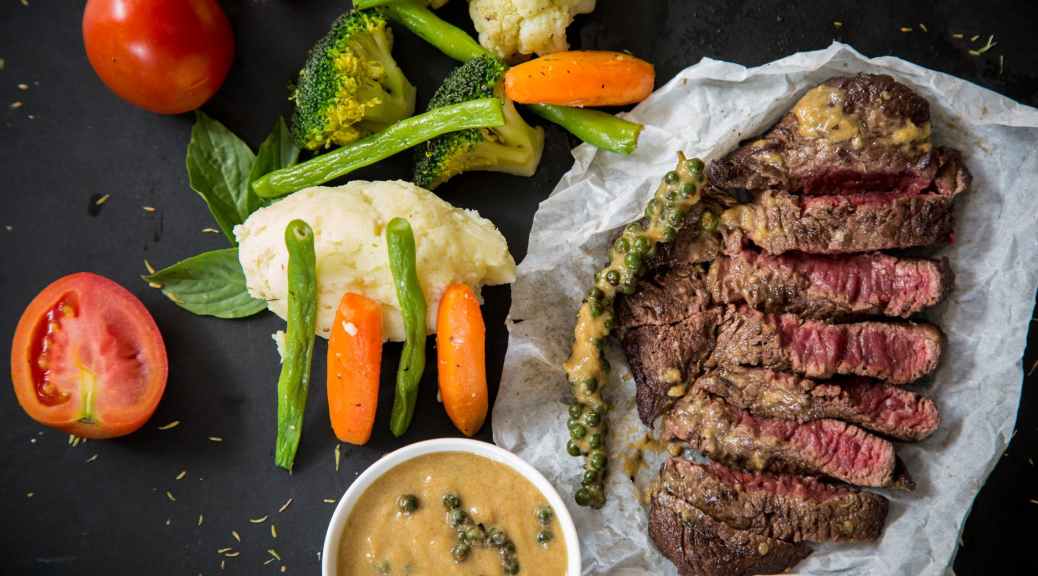
Did you know that High-protein diets may drive down testosterone levels in men, researchers say?

According to recent research, high-protein diets may decrease testosterone levels in males.

grandriver/Getty Images

The study, conducted by nutritionist Joe Whittaker and published in the Journal of Nutrition and Health, examined the testosterone levels of 309 males over eight weeks. Their testosterone levels had reduced by 37% after the trial. According to Whittaker, a nutritional therapy researcher at the University of Worcester in the United Kingdom, participants had symptoms consistent with low testosterone levels, including erectile dysfunction, exhaustion, sadness, and muscular weakness. According to Whittaker, the results indicate that consuming 35 percent of a man’s total calorie intake as protein—double the norm for males, according to certified dietitian Erin Coleman via SF Gate—can decrease testosterone levels. According to his studies, he thinks that consuming less than 35% protein might still result in reduced testosterone. Bonnie Taub-Dix, a registered dietitian, told Insider that while she agrees that too much protein can result in decreased testosterone in men, she believes this would not apply to most people and would only affect those who consume an excessive amount of protein in an attempt to build muscle. One disadvantage of the research is that it followed patients for eight weeks and did not account for other lifestyle variables that may affect testosterone levels. Taub-Dix said that guys who consume a high-protein diet to fuel their gains may make muscle growth more difficult since low testosterone levels might impede a man’s bulking process. Testosterone is the primary hormone responsible for muscular building, according to Healthline. Chronic diseases may be exacerbated by low testosterone levels. Whittaker noted that while the study’s subjects experienced numerous short-term side effects of low testosterone levels, he cited research indicating that long-term low testosterone levels can result in risks and conditions such as infertility and an increased risk of chronic illnesses such as cardiovascular disease, diabetes, and Alzheimer’s. Healthy testosterone levels are often related to robust bone density, the capacity to grow muscle and strength, mood and cognitive function management, and sexual desire in males, according to Kevin Codorniz, MD, head of endocrinology at Loma Linda University Health.

Reference

High-protein diets may drive down testosterone levels in men, researchers say. https://www.insider.com/high-protein-diets-decrease-men-testosterone-levels-researchers-say-2022-3?fbclid=IwAR26cxQww7bQNVHd-qa4B44hdfyiwpt6WOO8Cf2nOUfMbEyjb3lhX2Vf4HM

Strength training: Low weight, high reps, or high weight, low reps? Is it preferable to lift larger weights for fewer repetitions or lower weights for more repetitions?

Many fitness experts believe that doing fewer repetitions with heavy weights improves muscle hypertrophy whereas doing more repeats with low weight enhances muscular endurance.

eclipse_images / Getty Images

Lifting heavier and lifting lighter may both assist you to burn fat and losing weight when it comes to weight reduction. According to one research after 8 weeks of strength training, individuals who lifted higher weights with fewer repetitions had greater strength. The research also found that participants who exercised with fewer weights but performed more repetitions had higher muscle-building activity. What are your fitness objectives? As a weight-loss consultant and personal trainer who focuses on women’s health and physique, every one of my clients has sought a sleek and toned appearance for the last 15 years, which is generally attained by doing more repetitions with lesser weights. More stress on their body is the last thing they need in order to lose weight and attain the physique they want. On the other hand, are you someone who is as calm as a cucumber and appreciates a good challenge? Even if weight reduction is your aim, if you are not stressed, exercising with heavier weights for fewer repetitions may be ideal for you at this point in your life. So, if you think it’s ideal for your body right now, consider lifting heavier weights with fewer repetitions. Lifting greater weights will certainly cause your strength to improve quicker, which may be your aim! My customers’ next inquiry is how to tell when it’s time to gain weight. Is it necessary to raise weights, reps, or both when it comes to strength training? If you, like me, quickly bulk up, the solution is to stick to smaller weights with greater repetitions. After 2-3 weeks of executing 3 rounds of 15 reps, raise the weight to 4- or 5-pound dumbbells and repeat the cycle. If you think this is too simple and the pace is too sluggish, speed it up! However, bear in mind that I want my customers to concentrate on their overall strength and growth, rather than on continuing to increase their weight.

Reference

Strength training 101: Is it better to lift heavier weights or do more reps?. https://www.today.com/health/diet-fitness/low-weight-high-reps-or-high-weight-low-reps-rcna20248?fbclid=IwAR2hHV2IxJKy2qN_Mp4eYlhUU1b4eOBrdxsv_JT9f7REKtneUPn-dOlRBGs

Vitamin D may reduce the risk of developing cardiovascular disease

Vitamin D may reduce the risk of developing cardiovascular disease and cancer. However, few large, higher-quality randomized controlled trials (RCTs) have been conducted to corroborate this. A recent RCT examined the effects of vitamin D supplementation in Finland. It found no association between vitamin D and reduced risk of cardiovascular disease or cancer. There is evidence that vitamin D deficiency is associated with nearly all primary chronic conditions, such as cardiovascular disease, cancer, type 2 diabetes, and mortality.

It looked at data from 2,495 people, including those with no cardiovascular disease or cancer history. To provide further evidence of the relationship between vitamin D, cardiovascular disease, and cancer, the researchers behind the present study conducted the Finnish Vitamin D Trial. Despite the large doses, the study failed to see any effect of the supplementation on lowering the incidence of [cardiovascular disease] and cancer. Those who might benefit from the vitamin D supplementation — i.e., those with low serum vitamin D levels — are a small minority in the trials. Prof. Karani: “High-dose vitamin D supplementation may modestly reduce the risk of cancer death, but not overall cancer incidence.” Dr. Virtanen states, So far, there is no evidence that [Vitamin D] supplementation could prevent [SARS-CoV-2] infection. Still, it is well-documented that those, especially with the severe form of COVID-19, have low serum vitamin D levels.

It is also possible that this is a consequence of the [SARS-CoV-2] infection rather than the cause because it is known that acute infection leads to lower serum vitamin D levels. In addition, many of the COVID-19 patients are overweight or obese or have a chronic disease like type 2 diabetes, which is associated with lower serum vitamin D levels, explained Dr. Virtanen. “It is challenging to obtain vitamin D from food intake alone unless that food is fortified with vitamin D. It would be essential to explore whether vitamin D supplementation can decrease the incidence of [cardiovascular disease] and cancers, as that would make a strong case for mandatory vitamin D fortification or promotion of fortified foods in the population.

Reference

Vitamin D supplements, heart health, and cancer risk. https://www.medicalnewstoday.com/articles/vitamin-d-supplements-heart-health-and-cancer-risk?fbclid=IwAR0anIA4BSbVWh-5gq1EcPeh0-2HN8CGkxNh4ZlnIESqCqFndScGFYXPraE

Worldwide about a possibly more transmissible version of the coronavirus

Concerns are growing worldwide about a possibly more transmissible version of the coronavirus that causes COVID-19. As fresh instances are verified, scientists are scrambling to learn more. President Biden said that the mutation is “cause for concern, not a cause for panic” California verified the first case in the United States; omicron has been discovered in 16 states. In three days, the number of new coronavirus cases in South Africa has tripled.
The positive rate for Omicron increased from 1% in early November to 22.4 percent on December 2. The omicron version most likely acquired genetic material from a human virus that causes the common cold. A public health expert argues it is “premature to panic” over the mutation, which the World Health Organization has designated (WHO). Public health authorities in the United States are redoubling their efforts to distribute immunizations to everyone, including boosters for people who have previously been vaccinated. Within 100 days, Pfizer and BioNTech plan to have a “tailor-made vaccine” for the variation.
Each time the virus crosses between persons, it might undergo several genetic alterations. According to public health specialists, there is a strong likelihood that the new type has already spread to a number of nations beyond those where cases have been recorded. Public health professionals are advising the public not to make hasty judgments. Certain initiatives are already being scrapped in the aftermath of Omicron. Google said that it would delay its required in-office work beginning Jan. 10 for the length of the epidemic. Additionally, Rio de Janeiro’s mayor suspended the city’s New Year’s Eve event.

Reference

What to know about the omicron variant of the coronavirus. https://www.washingtonpost.com/health/2021/11/26/faq-new-variant-omicron/

What is Your Opinion on the Benefits of Coffee for Alzheimer’s Disease? Here’s What the Latest Research Says About the Link.

In a study evaluating the relationship between coffee and tea consumption and the risk of dementia and stroke, the researchers revealed that a certain number of cups consumed per day had the highest association with a decreased risk.

That is the message from recent research that is generating much attention. The research, published in the journal PLOS Medicine on November 16, assessed data from 365,682 adults aged 50 to 74 who took part in the UK Biobank. (If you are not acquainted with the UK Biobank, it is a large-scale biomedical database and research resource.) The health of the individuals and their coffee and tea consumption habits were monitored for 10 to 14 years.

During the research, 5,079 people got dementia, and 10,053 people had at least one stroke. The researchers examined persons who did not drink coffee or tea to those who did and discovered that those who enjoyed their brewed beverages had a reduced risk of stroke and dementia than abstainers. Those who drank two to three cups of coffee or three to five cups of tea per day had a decreased risk of dementia and stroke. Those who drank two to three cups of coffee and two to three cups of tea per day—so four to six cups of coffee and tea per day—had the most outstanding outcomes, with a 32% reduced risk of stroke and a 28% lower risk of dementia.

“We discovered that consuming coffee and tea individually or together was connected with a decreased risk of stroke and dementia,” the researchers concluded. “Consumption of coffee alone or in conjunction with tea was linked to a decreased incidence of poststroke dementia.”

It is worth noting that the research discovered merely a relationship, not causality. That is, the researchers did not discover that drinking coffee or tea reduces a person’s chance of dementia or stroke; instead, they discovered that persons who consume coffee and tea had a decreased risk of these primary health conditions. Scott Kaiser, MD, a geriatrician and the director of Geriatric Cognitive Health at Providence Saint John’s Health Center in Santa Monica, California, tells health that the correlation vs. causation component is critical. He emphasizes that the research “does not establish that consuming coffee or tea caused this decrease in risk.”

Doctors are still interested. “He is delighted that coffee drinking may reduce my own risk of dementia,” Amit Sachdev, MD, medical director in the Department of Neurology at Michigan State University, tells health.

This is not the first research to discover a correlation between coffee, in particular, and good health. For example, one research of over 468,000 adults, presented in August at the European Society of Cardiology, showed that drinking up to three cups of coffee per day is associated with a decreased risk of stroke and heart disease. In addition, a meta-analysis of 34,282 people’s data published in the journal Clinical Nutrition in 2016 discovered that drinking one or two cups of coffee per day is associated with a decreased risk of dementia.

Of course, there is such a thing as too much of a good thing. For example, research published earlier this year in the journal Nutritional Neuroscience discovered that consuming more than six cups of coffee each day increases your chance of developing dementia.

The “considerable disagreement” around the link between coffee and tea intake and stroke and dementia is one of the reasons the researchers claim they undertook this most recent study.

It is unclear why there could be a relationship between coffee and tea use and dementia and stroke risk—and the new research did not look into this. “While caffeine is undoubtedly a crucial shared denominator,” Dr. Kaiser explains, “coffee and tea are both derived from plants with many, many potentially beneficial chemical components, including strong antioxidants.” Any of these phytonutrients—chemicals produced by plants to maintain their health—”can really lower inflammation in our brains, protect brain cells from damage, improve learning and memory, and give other obvious advantages for brain health,” he continues.

All of this begs the question: Should the individual start drinking coffee or tea if the individuals are not already? Dr. Sachdev does not recommend it. “He is a little doubtful that this research will affect behavior,” he adds. “He would be more interested if a specific chemical in coffee or tea could be discovered.”

However, if one is already a coffee or tea user, individuals will be relieved to discover that the daily habit may be linked to a decreased risk of dementia and stroke.

Reference:

Korin Miller, Can Drinking Coffee Lower Your Dementia Risk? Here’s What New Research Says About the Association, November 17,Health. 2021.https://www.health.com/condition/neurological-disorders/coffee-and-dementia?fbclid=IwAR2DVl54rZI4I3zAbn17ZsGZxWaVD1CbzGXeTZl2e4qmFfIivm83a10yQj0

Big chunks of cantaloupe

A perfectly ripe fruit cup—especially one that has big chunks of cantaloupe—is one of the most delicious and satisfying quick-and-easy breakfasts you’ll ever discover, and it takes just a few minutes to prepare. The enormous volume and high water content of cantaloupe, which has just 150 calories per small melon, have long been praised as a weight-loss superfood since it may keep individuals who eat it happily and focused for many hours.

Photo by Karolina Grabowska on Pexels.com

For their part, even the most enthusiastic cantaloupe fans may be completely ignorant of one of the most important benefits they’re getting from every delicious mouthful of this exquisite fruit: protection against eye health.

“Despite the fact that canned cantaloupe is a very nutritious melon, it does not get quite the amount of attention that it deserves when it comes to the health benefits it provides. When you discover that cantaloupe is a rich source of beta-carotene, a vitamin that is important for maintaining excellent eye health, you may be pleasantly surprised.” A registered dietitian from Balance One Supplements, Trista Best, MPH, RD, LD, describes how she came up with the concept for the campaign.

According to a study published in JAMA, among 5,836 adults aged 55 and older, those who consumed higher amounts of beta-carotene, vitamins C and E, and zinc — all of which can be found in cantaloupe — had significantly lower rates of age-related macular degeneration than those who consumed lower amounts of antioxidants.

Furthermore, according to Best, cantaloupe is a naturally occurring source of folate, which is not only well-known for its potential to prevent neural tube disorders and enhance cognitive function, but it may also be helpful to your eye health in certain instances.

According to a study published in JAMA Ophthalmology in 2014, increasing folate intake was linked with a lower incidence of exfoliation glaucoma and exfoliation glaucoma suspect among individuals over 40 who participated in the Nurses’ Health Study and the Health Professionals Follow-Up Study.

This delectable melon is an excellent option for individuals looking for a simple approach to preserve their vision or just a healthy way to satisfy their sweet tooth.

Reference
One Major Side Effect of Eating Cantaloupe, Says Dietitian. https://sg.style.yahoo.com/one-major-side-effect-eating-113555289.html

Baltimore Ravens still awaiting word on possible Ray Rice …. https://www.espn.com/nfl/story/_/id/11249399/baltimore-ravens-awaiting-word-possible-ray-rice-discipline

Risk Factors, Outcomes of Infective Endocarditis after …. https://healthmanagement.org/c/cardio/news/risk-factors-outcomes-of-infective-endocarditis-after-tavr

The right ‘5-a-day’ mix of fruits and vegetables can boost …. https://www.hsph.harvard.edu/news/hsph-in-the-news/the-right-5-a-day-mix-of-fruits-and-vegetables-can-boost-longevity/.

Magnesium is a perplexing vitamin

Because of the difficulty of maintaining a balanced diet, it is commonplace for individuals to take supplements to ensure their bodies get the nutrients they need. While supplements might help correct specific significant vitamin deficits, they may also cause complications. Magnesium is a perplexing vitamin because this supplement is involved in an array of body activities. It may be harmful to have too little or too much magnesium in your system, so achieving the optimal balance is critical. Continue reading to learn about some unexpected adverse effects of magnesium supplements, as reported by dietitians, and for more information on eating healthy, be sure to check out 7 Healthiest Foods to Eat Right Now. Magnesium, as an electrolyte, interacts with sodium levels in the body, resulting in some significant effects. Gastric motility refers to the flow of food from the mouth to the intestines; hence, supplementing with magnesium may speed up digestion to the point of experiencing loose bowel movements. If you are taking drugs, antibiotics, Wirtz advises against taking magnesium supplements since they may interact with the medicine. According to 2019 research, magnesium may impair the absorption of some medications, reducing their effectiveness. To be cautious, you may always supplement your diet with magnesium-rich foods.
Reference:
Surprising Side Effects of Taking Magnesium Supplements, Say, Dietitians.https://www.eatthis.com/side-effects-taking-magnesium-supplements/?fbclid=IwAR3bNHpJcFq8yj2vo8R2kr8ouV84acgTrsXhwAb67BhmGX-TnjnUS7mcv7I

Drinking green tea

Researchers note, in healthy people, drinking green tea has been shown to increase brain function. Many researchers are trying to discover if the calming and energizing effects of tea directly result from the various compounds or whether they result from the place where it is consumed. Antioxidants such as epigallocatechin gallate (found in tea leaves) and L-theanine (found in tea leaves) are most essential. These two antioxidants are accompanied by caffeine, an alkaloid found in tea leaves. People drink 100 million cups of tea every day. Tea remains part of the national psyche even though the popularity of other hot beverages in the U.K. Coffee has long been the dominant beverage, tea consumption is increasing, with Americans drinking about 14 ounces of tea leaves per year compared to 12.7 ounces in 2007, according to the United Nations.


It has a wide range of benefits on mental health, anxiety, attention, and memory symptoms. We do not yet know which specific compounds in green tea are culpable for the wide range of positive changes in our mental health. Another benefit of tea for those who suffer from depression, dementia, and Down syndrome is reducing symptoms. The research looks at the potential benefits of tea, and its bioactive compounds are often observational, which uses people’s perceptions as a primary source of evidence. Professor Gunter Kuhnle studies the health benefits of flavanols, which are present in tea.


His previous study, which was released last year, showed that flavanol-rich foods, such as berries, apples, and tea, can help reduce blood pressure. It is a popular working-class drink; It is a status symbol in the U.K. There is no real downside to drinking a cup of tea, and certain types of tea can benefit one’s health and overall well-being – which relates to both physical health and physical well-being, as noted by Dr. Benefits of drinking hot tea include weight loss, better heart health, and reduced risk of heart attack and stroke. Green tea is likely a combination of caffeine and L-theanine rather than the other, acting as the sole ingredient. Researchers state that drinking green tea has been shown to increase brain function in healthy people.

The evidence comprises smaller studies, although the results are modest. It is less clear which compounds are efficient for the observed cognitive enhancements, although there is general agreement on the effectiveness of the compounds in tea. Tea is associated with a longer life and can help to minimize cardiovascular disease risk factors.

Reference

Here’s how drinking tea helps improve your mental and physical health. https://www.wtae.com/article/drinking-tea-helps-improve-your-mental-and-physical-health/36516958#

Improve your overall well-being

Approved activities, such as exercise or writing in a journal, can be very safe and beneficial in the morning. You may have a subconscious illusion that completing your morning routine will improve your overall well-being, so you complete it, or you can stop now, Alison Nobrega said. You need to set aside time in the mornings to get your children washed, fed, and ready for school. You can value 30 minutes of extra sleep in the morning before getting ready for work, even if you do not have children. When you get out of bed, snoozing leaves you tired. Many experts would inform you that getting into the habit of writing in the morning is beneficial, and this is real. As a daily routine, forcing yourself to do this first thing in the morning will not suit everybody.

Reference

6 Morning Habits That Seem Healthy But Are Secretly Stressing You Out. https://www.huffpost.com/entry/morning-habits-healthy-stress_l_60a689c3e4b0a24c4f795c34