Tag Archives: food

The Art of Mindful Eating: Nourishing Your Body and Soul

Healthy eating goes beyond selecting nutritious foods; it encompasses how you approach your meals and engage with your food. This concept is known as mindful eating, and it can transform your relationship with food and your overall well-being.

Mindful eating is the practice of being fully present during your meals. It involves savoring each bite, paying attention to your food’s colors, textures, and flavors, and listening to your body’s hunger and fullness cues. Here are some fundamental principles of mindful eating:

Eating without distractions: Turn off the TV, put away your phone, and create a peaceful environment for your meal. This allows you to focus on eating and fully enjoy your food.

Chewing slowly: Take the time to chew your food thoroughly. Not only does this aid in digestion, but it also allows you to savor the taste and texture of each bite.

Listening to your body: Pay attention to your body’s signals of hunger and fullness. Eat when you’re hungry and stop when you’re satisfied, not when your plate is empty.

Appreciating your food: Cultivate gratitude for the food on your plate. Consider where it came from, how it was prepared, and the nourishment it provides.

Recognizing emotional eating: Be mindful of emotional eating patterns, such as eating in response to stress or boredom. Instead, find healthier ways to cope with emotions, such as meditation or exercise.

Practicing mindful eating can have numerous benefits. It can help you develop a healthier relationship with food, reduce overeating, and promote better digestion. Additionally, it can enhance your appreciation for the culinary experience and improve your overall sense of well-being.

In conclusion, mindful eating is an essential component of healthy eating. By being fully present during your meals and savoring each bite, you can nourish your body and soul. It’s a practice that can transform how you approach food and lead to a more mindful and fulfilling life.

The Balanced Plate: Macronutrients for Optimal Health

Achieving and maintaining good health requires a well-balanced diet that includes the right proportions of macronutrients: carbohydrates, proteins, and fats. Each of these macronutrients plays a crucial role in your body’s functions, and finding the right balance can significantly impact your overall well-being.

Carbohydrates: Carbohydrates are your body’s primary source of energy. They provide glucose, which fuels your cells and powers your daily activities. Choose complex carbohydrates like whole grains, legumes, and vegetables for sustained energy and fiber that supports digestive health.

Proteins: Proteins are essential for the repair and growth of tissues in your body. They are composed of amino acids, which are the building blocks of life. Include lean protein sources like poultry, fish, beans, and tofu to support muscle development and repair.

Fats: Dietary fats are essential for various bodily functions, including the absorption of fat-soluble vitamins (A, D, E, and K), brain health, and hormone production. Opt for healthy fats like those found in avocados, nuts, seeds, and olive oil while limiting saturated and trans fats found in processed and fried foods.

Finding the right balance of these macronutrients is a personal journey and can vary depending on age, activity level, and individual health goals. However, a general guideline is to aim for a diet that consists of approximately 45-65% carbohydrates, 10-35% protein, and 20-35% fat.

Balancing your macronutrients is essential for maintaining energy levels, weight management, and overall health. Remember that moderation is necessary, and choosing high-quality sources of each macronutrient is crucial for the best results.

In conclusion, achieving a well-rounded diet involves understanding and balancing the macronutrients in your meals. Paying attention to the types and proportions of carbohydrates, proteins, and fats you consume can support your body’s functions and promote optimal health.

The Foundation of Healthy Eating: Nutrient-Dense Foods

Healthy eating is not just a trend but a fundamental aspect of maintaining overall well-being. To embark on a journey towards healthier eating habits, it is essential to understand the foundation of this lifestyle: nutrient-dense foods.

Nutrient-dense foods provide a high concentration of essential nutrients, vitamins, and minerals per calorie. These foods are packed with the goodness your body craves without the excess calories that can lead to weight gain and other health issues. Let us explore the significance of incorporating nutrient-dense foods into your diet.

When you prioritize nutrient-dense options, you give your body the tools to thrive. These foods provide essential vitamins like A, C, D, and E and minerals such as calcium, potassium, and magnesium. They also offer a rich source of dietary fiber, which aids in digestion and helps you feel fuller for longer.

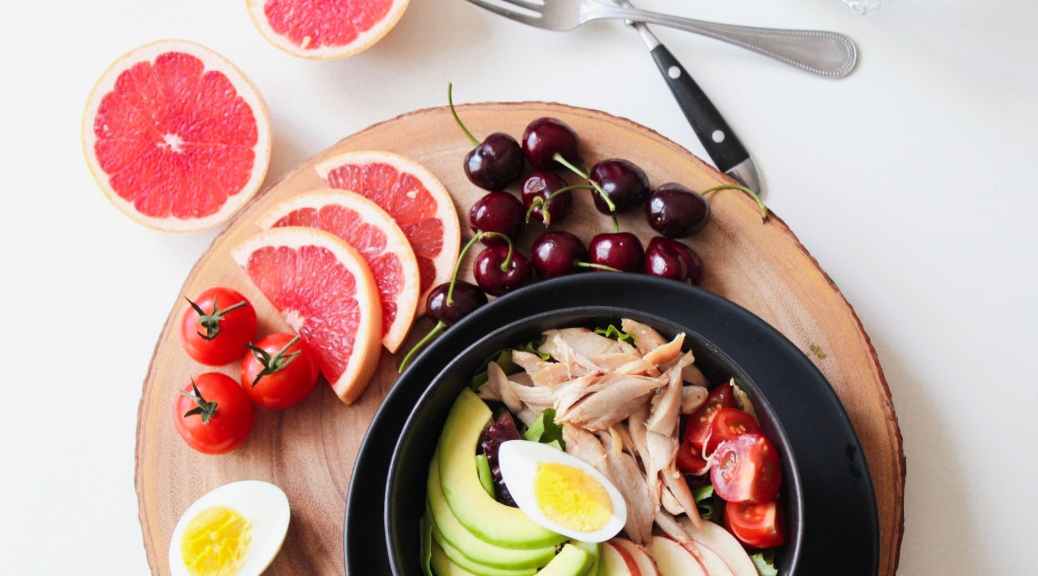
Examples of nutrient-dense foods include leafy greens like spinach and kale, colorful vegetables like bell peppers and carrots, lean proteins such as chicken breast and tofu, whole grains like quinoa and brown rice, and healthy fats like avocados and nuts. By incorporating these foods into your meals, you can ensure you nourish your body with the nutrients it needs to function optimally.

One of the significant advantages of nutrient-dense foods is that they promote better overall health. They can help you maintain a healthy weight, support your immune system, and reduce the risk of chronic diseases such as heart disease, diabetes, and certain types of cancer. Additionally, nutrient-dense foods can enhance your energy levels and cognitive function, allowing you to lead a more active and fulfilling life.

In conclusion, prioritize nutrient-dense foods if you want to change your diet positively and embrace a healthier lifestyle. These choices give your body essential nutrients and promote long-term health and well-being. Remember, healthy eating is not about deprivation but about nourishing your body with the best possible fuel.

Citations:

Fasting, W. I. I. Foods to Avoid While Intermittent Fasting: A Comprehensive Guide Optimizing Your Intermittent Fasting Journey: A Comprehensive Guide to Foods to Avoid.

Hernandez, J. (2023). Knowing Why We Eat, Understanding the Factors Influencing Food Choices: Discover the Secret to Achieving the Body You Want With a Simple 7-Step Plan. F4URY.

Overcoming Social and Emotional Eating Challenges

Healthy eating can face challenges from social and emotional influences, such as stress, celebrations, and peer pressure. Recognizing these hurdles and developing effective strategies to navigate them is essential.

Emotional eating, for example, involves turning to food for comfort during stress or sadness. Instead of relying on food, consider alternative coping mechanisms like exercise, meditation, or seeking support from friends and family. When it comes to social settings, communicate your dietary preferences and goals with others to make healthier choices together.

Understanding and addressing social and emotional eating challenges empowers you to maintain a balanced diet and develop healthier ways to cope with life’s ups and downs.

Citation:

Danowski, D. (2013). Why Can’t My Child Stop Eating?: A Guide to Helping Your Child Overcome Emotional Overeating. Central Recovery Press, LLC.

Kaipainen, K., Payne, C. R., & Wansink, B. (2012). Mindless Eating Challenge: retention, weight outcomes, and barriers for changes in a public web-based healthy eating and weight loss program. Journal of medical Internet research14(6), e2218.

Dayal, H., Weaver, K., & Domene, J. F. (2015). From shame to shame resilience: Narratives of counselor trainees with eating issues. Qualitative Health Research25(2), 153-167.

Did you know that the top produce was tainted by pesticides?

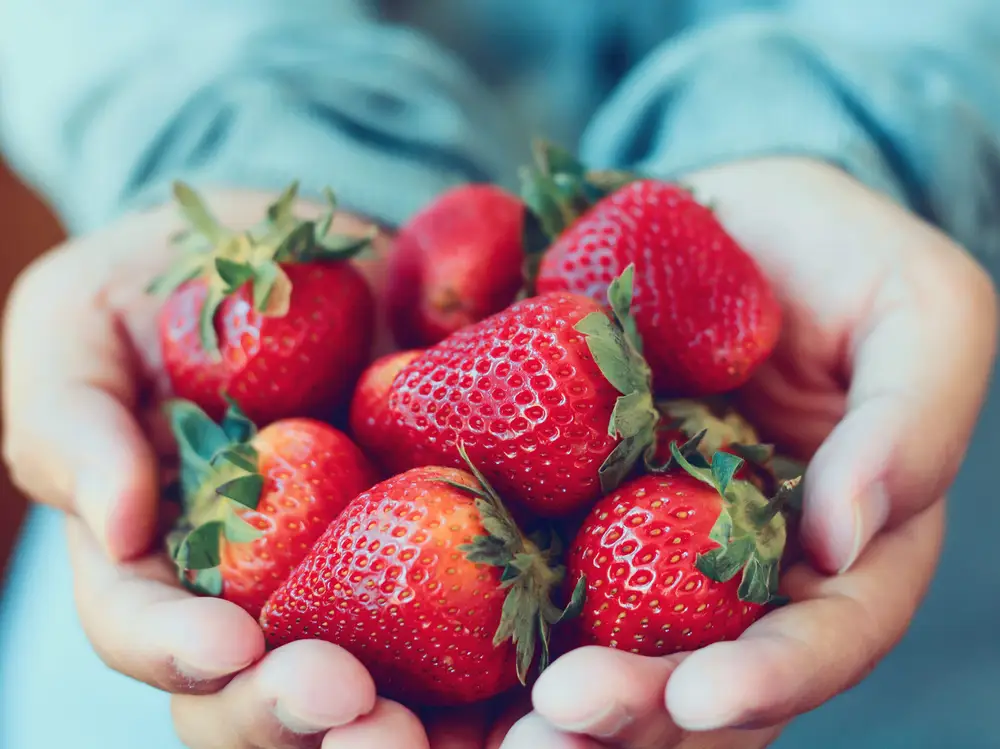
Strawberries, spinach, and leafy greens once again topped a list of produce tainted by pesticides, according to an analysis from the Environmental Working Group.

Kwangmoozaa/Getty Images


The Dirty Dozen includes the 12 fruits and vegetables that retain the most pesticide contamination, even after they’re washed and peeled as consumers would prepare them. Updated every year as part of EWG’s Shopper’s Guide, which is based on tests by the USDA and the FDA. Almost 70% of the non-organic produce tested had detectable pesticide residue, usually at levels that fell within the legal limits in the US.
However, just because pesticides are legal does not mean that they are safe. More than a quarter of pesticide use in the US has been linked to chemicals that are illegal in Europe, according to a 2019 study. Those chemicals have been banned due to probable or proven health risks. Because the testers wash and prepare the produce samples before scanning for pesticides, these fruits and vegetables require more than an extra rinse to be rid of toxins. Strawberries and greens topped the Dirty Dozen again. The USDA and FDA do not repeat tests of produce every year, so not much has changed since last year’s Shopper’s Guide was published. For the seventh year in a row, strawberries were found to have the most pesticide contamination of any fruit or vegetable tested. Spinach came in second, followed by kale, collard greens, and mustard greens in third. The rest of the Dirty Dozen includes nectarines, apples, grapes, peppers (bell and hot), cherries, peaches, pears, celery, and tomatoes. The Peppers moved up a couple spots on the list, but aside from that, the standings are the same as last year. Whenever possible, the EWG recommends that people buy organic versions of Dirty Dozen produce, analyst Sydney Swanson said in a press release. Organic farming practices ban the use of most synthetic pesticides, so organic produce is less likely to be contaminated with known toxins. However, not everyone can afford organic produce or have an environmentally-conscious market nearby. If you can’t afford to buy cleaner versions of the Dirty Dozen, EWG experts say that the Clean Fifteen might be a better choice. Avocados, sweetcorn, and pineapple ruled the Clean Fifteen. The Clean Fifteen fruits and vegetables were found to have the lowest levels of pesticide residue of the bunch, with nearly 70 percent of the samples from the list found to be completely pesticide-free. The list includes avocados, sweet corn, and pineapple as the top three “cleanest” fruits and vegetables. Onions, papaya, and frozen sweet peas were next, followed by asparagus, honeydew melon, kiwi, and cabbage. Mushrooms, cantaloupe, mangoes, watermelon, and sweet potatoes also made the list of the least pesticide-contaminated produce. Since last year’s list, the EWG removed broccoli, cauliflower, and eggplant from the Clean Fifteen — not because of new contaminants, but because they hadn’t been tested in six or more years.

Consuming red meat and heavily processed foods raises the risk of heart disease and stroke

Consuming red meat and heavily processed foods raises the risk of heart disease and stroke, according to a new report. The research followed almost 166,000 women and 44,000 men over a span of 24 to 30 years. Red meat, organic meat, processed meat, refined grains, sugary drinks are associated with increased inflammation. Leafy greens, carrots, tomatoes, whole grains, berries, nuts, fatty fish, and olive oil may provide a safe inflammatory response, according to the report. “When selecting food in our diet, we should take care of their pro-inflammatory and anti-inflammatory capacity,” says the editorial. The analysis cannot determine cause and effect, says the Food Information Council official. These results are published in the Journal of the American College of Cardiology. 
Reference
Choose anti-inflammatory foods to lower heart disease and stroke risk, study says.
https://www.cnn.com/2020/12/02/health/anti-inflammatory-foods-heart-disease-wellness/index.html

Did you know that CDC: New 10-State Salmonella Outbreak Connected To Mushrooms?

Wood ear mushrooms

Wood ear mushrooms appear to be at fault behind the most recent Salmonella outbreak.

Friends, Romans, country-people, don’t lend anyone your ears. Your timber ear mushrooms, this is certain, until you’ve seen Thursday’s Centers for Disease Control and Prevention (CDC) statement.

Under the CDC, there is now a Salmonella Stanley outbreak that’s so far triggered at the very least 41 individuals getting ill across 10 states. The states are Arizona, California, Connecticut, Georgia, Illinois, Louisiana, New Jersey, New York, Pennsylvania, and Wisconsin. California has received probably the most reported cases with 25. The outbreak has led to at the least four hospitalizations. As it is the scenario with individuals admitting which they read the book 50 Shades of Gray, the number of reported instances probably underestimates the amount of actual situations. Oh, Stanley.

The ear-y link is that dried wood ear mushrooms distributed from Wismettac Asian Foods, Inc. appear to be to blame. Those decided to go to restaurants in six packs of five-pound bags that have been defined as Shirakiku brand name Black Fungus (Kikurage). The packages bore the next Universal Product Code (UPC) bar codes: 00074410604305, item #60403. The mushrooms originally originated in Asia.

Reference:

CDC: New 10-State Salmonella Outbreak Linked To Mushrooms. https://www.forbes.com/sites/brucelee/2020/09/26/cdc-new-10-state-salmonella-outbreak-linked-to-mushrooms/#250270512bc7