There are many drugs that help fight inflammation, but did you know there are also foods that fight inflammation? Here’s a list of foods that have been found to decrease inflammation in the body.
Extra-virgin olive oil
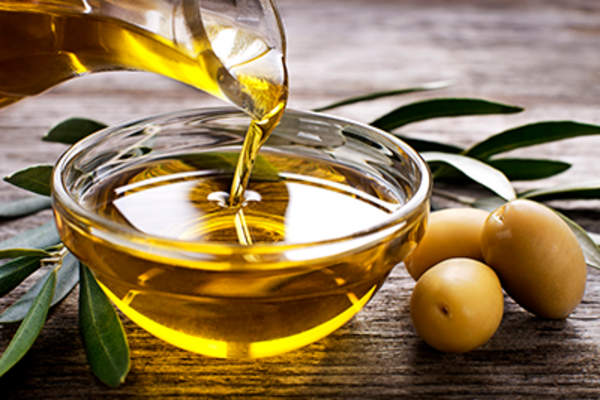
Extra-virgin olive oil – an unrefined type of olive oil – contains a substance called oleocanthol that interferes with two enzymes (COX-1 and COX-2) involved with inflammation in the body. In fact, a 2005 study in the journal Nature found that oleocanthol inhibits inflammation in a way that’s identical to the painkiller ibuprofen.
Red wine
Red wine contains a compound called resveratrol, which has been found to have both anti-inflammatory and anti-cancer properties. Scientists say the presence of this compound may help explain the so-called “French paradox” as to why the French – who drink red wine with most meals – can eat a diet that’s actually quite high in saturated fats and yet have healthy arteries and hearts
Tea
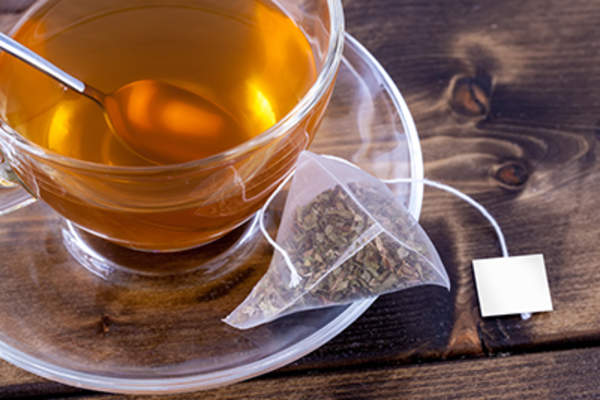
Generally, any beverage that is high in water content will have anti-inflammatory qualities, and tea is a great choice. Teas such as white tea, oolong, and green tea are full of catechins, antioxidant compounds that reduce artery plaque and inflammation. Tea also has been linked to reduced risks of heart disease, diabetes, and cancer.
Grass-fed beef
If you’re eating beef that’s not specifically sold as “grass-fed,” it means the cows were fed a high-calorie diet of corn and grain in an effort to fatten them quickly. Corn and grain are full of omega-6 fatty acids, which have been linked to inflammation. Grass-fed cows are leaner, and their meat is rich in healthy compounds such as omega-3 fatty acids and vitamin E.
Oily fish
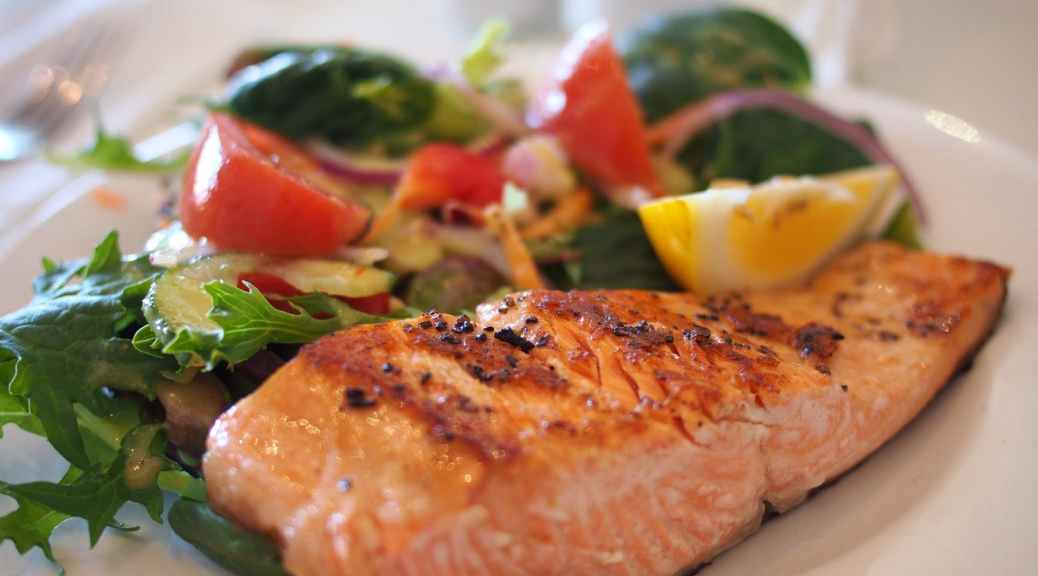
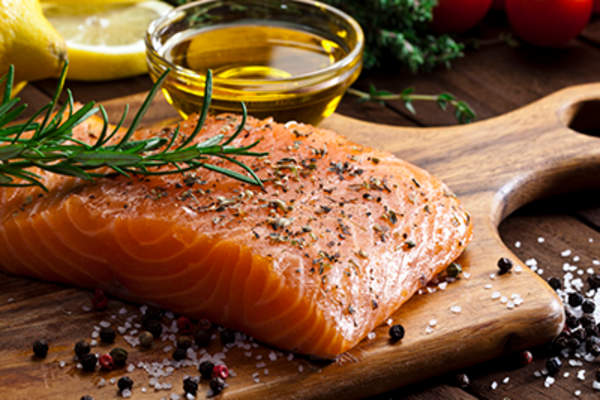
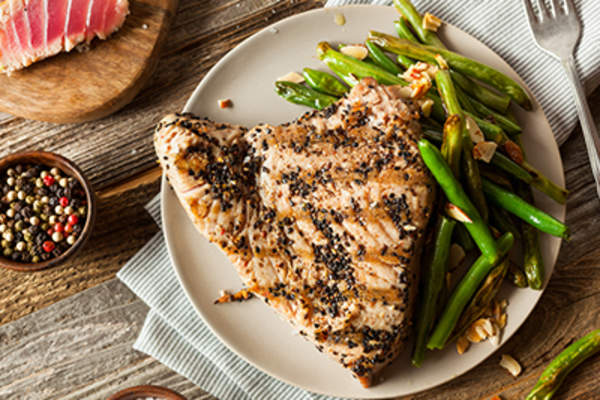
You’ve probably seen bottles of fish oil supplements in your pharmacy or grocery store, but you can get the same healthy boost from going straight to the source, as well. Oily fish such as salmon, sardines, and tuna are fish that have fatty oils throughout the fillets and in the area around the gut, rather than just in just the liver. Experts say eating one to two servings of these fish per week can reduce inflammation.
Cocoa
Cocoa contains anti-inflammatory compounds called flavanols, substances that reduce both blood clotting and inflammation in the body. Enjoying a cup or two of hot cocoa per week can help reduce inflammation, particularly if it’s made with skim or low-fat milk to keep down the drink’s content of saturated fats. Keep in mind, however, that trying to get your cocoa in the form of candy will load you up on saturated fats.
Cranberries
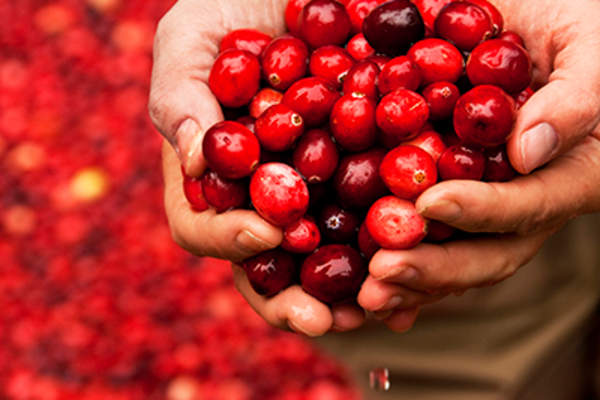
Cranberries are a powerhouse food, with studies linking the red berry to such benefits as inhibiting cancerous tumors and lowering bad (LDL) cholesterol. Scientists say the fact that the berries are rich in anti-inflammatory antioxidants contribute to their healthful effects. As a bonus, cranberries also contain tannins, substances that can act as a natural antibacterial agent to fight urinary tract and E. coli infections
Grapes
A 2004 study found that people with stable coronary disease lowered the amount of inflammatory markers in their blood by drinking Concord grape juice. This finding was likely due to the presence of resveratrol in the grapes’ skins, which inhibits inflammation and may even help to fight cancer. Eating grapes – and not drinking them – also adds fiber to the grapes’ benefits and eliminates any added sugar.
Walnuts
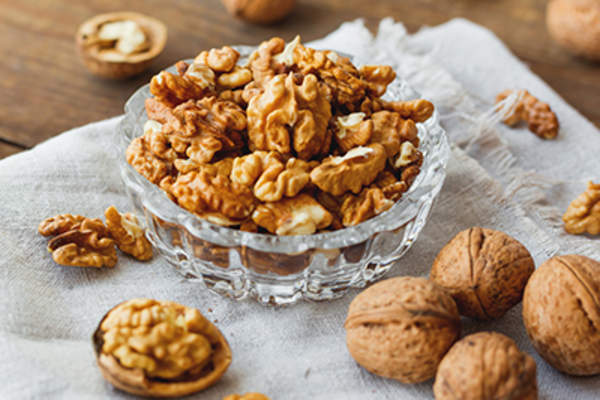
Walnuts contain the “plant version” of omega-3 fatty acids, a substance known as ALA, which reduces inflammation in the body. In a 2004 study published in the Journal of Nutrition, scientists found that people who ate at least 2.3 ounces of walnuts and flaxseed (which also contains ALA) daily had reduced levels of inflammatory markers such as C-reactive protein (CRP), a major indicator of a person’s risk for heart disease.
Broccoli
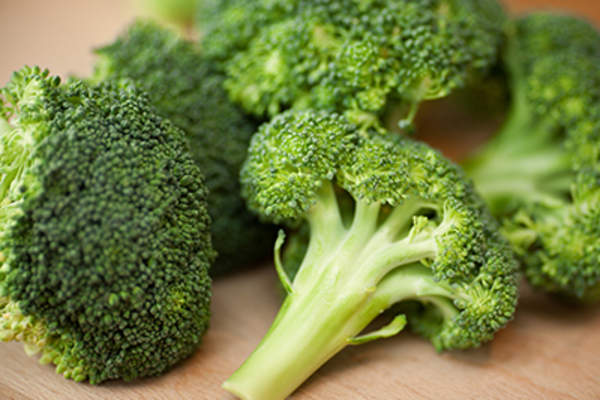
Broccoli is a virtual disease fighter, rich in such healthy compounds as beta-carotene, vitamin B folate, vitamin C, and the inflammation-fighting flavanoid kaempferol. Broccoli also contains sulforaphane, which experts say helps the body cleanse itself of cancer-causing compounds.
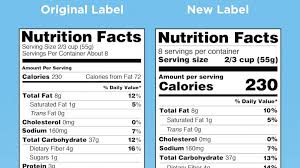
New health claims, symbols, and seals of approval turn up on food packaging when you go grocery shopping. But when you’re one of the many 59% of shoppers who nearly always reads a label before purchasing new food, you’ve seen hardly any change in the nutrition facts label. That number-filled panel upon the back of a given package hadn’t changed since 2003—when trans fat was added. The current updates that started in 2016 and are generally still underway, are considerably more obvious.
Beginning January 1, 2020 large food manufacturers needs to be in a location that met with the FDA’s new nutrition facts label design (smaller manufacturers contain an additional year). If you’re a label reader, you’ve noticed many labels already chose new design.
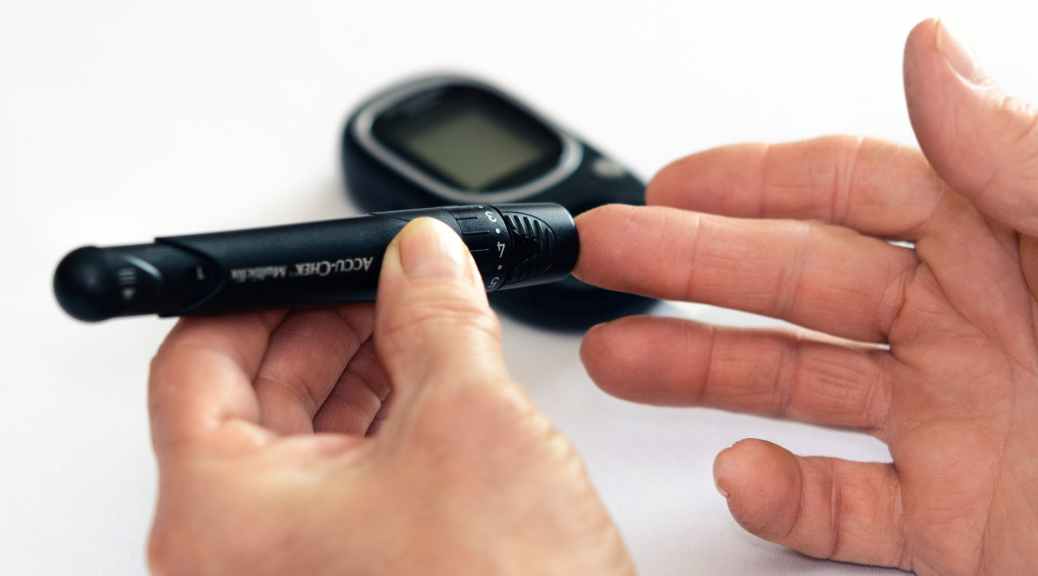
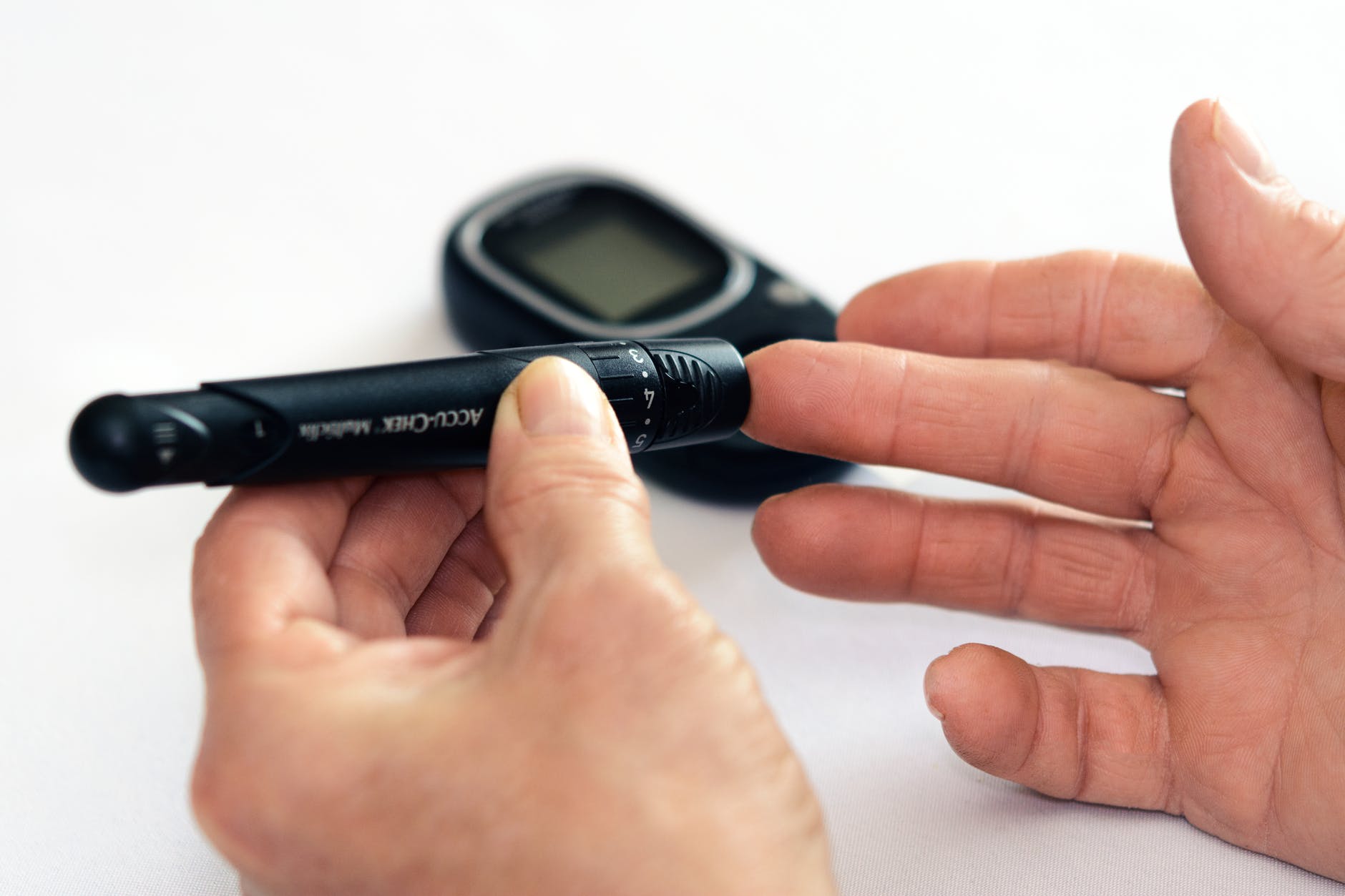
Individuals with adult-onset diabetes are more likely than others to formulate spinal fractures that often have no obvious symptoms yet are tied to increased risk of future broken bones, an exploration review suggests.
The analysis focused on so-called vertebral fractures, otherwise known as fractures of a compression nature, that happen when bones within the spine weaken and crumple, often inside the lower back. These fractures might be attributable to injuries or by osteoporosis and may have few symptoms, and they will definitely lead to problems like severe chronic pain or reduced height.
This study included data from 15 prior studies by using a total of 852,702 ladies and men. Overall, people with type 2 diabetes were 35 percent more likely than those without using the disease to acquire vertebral fractures, the analysis found.
Rather, vitamin F is basically a term loads of fats — alpha-linolenic acid (ALA) and linoleic acid (LA). They are necessary regular body functions, including aspects of brain and heart healthy living .
ALA is basically a a part of the omega-3 fat family, while LA is a member of the omega-6 family. Common forms of both include vegetable oils, nuts, and seeds.
They were sourced out of the 1920s when scientists showed that fat-free diets had uncomfortable side effects on rats. Initially, the scientists suspected the rats were deficient in a new vitamin they called vitamin F — later discovered to be ALA and LA .
A child born today will face multiple and lifelong dangers to their health from global climatic change as being raised within the warmer world risks food shortages, infectious diseases, floods and extreme heat, a major global study has found.
climate change
Global climatic change can now harming people’s health by increasing the volume of heat and cold events and exacerbating air pollution, based on an annual study published on Thursday among the Lancet medical journal.
The studies warned that if no measures are initiated to mitigate global climatic change, its impacts could burden an entire generation with disease and illness throughout their lives.
There’s new evidence that mind-body interventions can help reduce pain in people who ve been taking prescription opioids — and bring about reductions inside the drug’s dose.
In a study in JAMA Internal Medicine, researchers reviewed evidence from 60 studies that included about 6,400 participants. They evaluated a few of strategies, including meditation, guided imagery, hypnosis and cognitive behavioral therapy. “Mindfulness, cognitive behavioral therapy and clinical hypnosis are definitely possibly the most useful for reducing pain,” says study author Eric Garland, a professor along at the University of Utah. The reductions in dose were modest overall, he describes, yet the study is a symptom this approach is effective
U.S. infections from three sexually transmitted diseases have risen for your fifth consecutive year.
A little more than 1.7 million cases of chlamydia (kluh-MID’-ee-uh) were reported a year ago. The infection rate rose 3% from 2017. It’s the foremost ever reported each year, although the trend is basically by associated increased testing. About 580,000 gonorrhea (gah-nuh-REE’-uh) cases were reported. That’s the highest number since 1991. The pace rose 5%. Scientists worry antibiotic resistance could be considered a factor. And of course, the syphilis rate rose 15%. About 35,000 cases of by far the most contagious forms of the condition were reported — also one of the most since 1991. The Centers for Disease Control and Prevention released the numbers on Tuesday. The increases coincided with health care funding cuts and clinic closures.
It’s simple: Eat less. Sometimes combined with the directive move more, this mantra has a clear point. In case you can’t reduce weight, you might be either stupid or lazy—or, probably, both.
But if things were that simple, diets would work. Middle-aged people would not suddenly start increasing body weight despite eating and moving similarly every year. No one would need to endure the population of one friend with the “fast metabolism” who can eat anything he wants. And who, even though he knows you’re on any diet, says through his overstuffed mouth, “I couldn’t even add pounds in the event I tried.”
Instead, it is becoming clear that some people’s guts are simply more streamlined than others’ at extracting calories from food. When a couple eats the same 3,000-calorie pizza, for example, their bodies absorb different levels of energy. And those calorie-converting abilities can change over the person’s lifetime with age along with other variables.
The question is, why? And is it possible to make changes, in case a person needed to?
If so, the answer will involve the trillions of microbes in our intestines and how they operate in concert with another variable that’s just beginning to get attention. Your immunity determines stages of inflammation in the gut that are constantly shaping the way we digest food—how many calories get absorbed, and how many nutrients simply pass through.
The partnership between microbes and weight gain has long been overlooked in humans, but people have known about similar effects in animals for decades. After World War II, antibiotics became affordable and abundant for the first time. Farmers began giving the medication for their livestock—for example, as a treatment for a milk cow’s infected udder—and noticed that animals who got antibiotics grew larger and more quickly. This led to a flood of patent applications for antibiotic-laden foods for every variety of livestock. In 1950, the medication company Merck filed a patent for “a method of accelerating the growth of animals” with “a novel growth-promoting factor” that has been, simply, penicillin. Eli Lilly patented three new antibiotics to mix directly into the feed of sheep, goats, and cattle because the microbe-killing agents “increased feed efficiency.” Within the ensuing decades, it became standard practice to give livestock copious doses of antibiotics to make them grow faster and larger, although no person knew why this happened, or what other effects the practice might have.
Researchers have only recently shown that these antibiotics kill off many of the microbes that occur normally in the gut and help livestock, and people, digest food. By breaking up nutrients and helping them flow through the walls of the bowel, these microbes function a sort of gatekeeper between what exactly is eaten as well as what makes it directly into the body. Killing them is not without consequences. Similar to how antibiotics are associated with faster growth in cattle, a decrease in diversity in the human microbiome is associated with obesity. As the usage of animal antibiotics exploded in the twentieth, so too did usage in humans. Increase use of coincides having the obesity epidemic. This might be a spurious correlation, of course—lots of things have already been upon the rise since the ’50s. But dismissing it entirely would require ignoring a growing number of evidence that our metabolic health is inseparable beginning with the health in our gut microbes.
In 2006, Jeffrey Gordon, a biologist at Washington University in St. Louis, reported that the microbiomes of obese mice had something in accordance: In comparison to their lean counterparts, the heavier mice had fewer Bacteroides and more Firmicutes species within their guts. What’s more, biochemical analyses showed that this ratio made the microbes better at “energy harvest”—essentially, extracting calories from food and passing it into the human body. That is, even though mice ate precisely the same amount and kind of food, the bacterial populations meant that many developed metabolic problems, while some didn’t. Similar bacterial patterns have since been confirmed in obese humans.
What’s more, Gordon found, the microbiome associated with obesity is transferable. In 2013, his lab took gut bacteria from pairs of human twins in which only one twin was obese, then fed the samples to mice. The mice given bacteria beginning with the obese humans quickly gained weight. The others did not.
Intestinal microorganisms are likewise transferred between humans, using fecal transplants, as a possible experimental treatment for serious infections like Clostridium difficile. In one study, obese patients who received transplants from lean donors later had healthier responses to insulin.
Short of this kind of hard reset considering the microbiome, preliminary research has demonstrated that adding also a single bacterial species to the person’s gut can alter her metabolism. Within tests reported last month within the journal Nature Medicine, people who took a probiotic containing Akkermansia muciniphila—which is usually found in greater amounts in non-obese people—saw subtle metabolic improvements, including weight loss.
The research authors aren’t suggesting that anyone go out and obtain this bacterium. But is known as a “proof of concept” regarding the idea that it’s possible to change a person’s microbiome in ways which have metabolic benefits.
Because leanness and obesity seem to be transmissible throughout the microbiome, “metabolic disease turns out to be, in certain ways, like an infectious disease,” says Lora Hooper, the chair considering the immunology department at the University of Texas Southwestern Hospital. Hooper did her postdoctoral research in Gordon’s lab in St. Louis. While other researchers focused on the gut microbiome itself, she took an interest within the immunity. Specifically, she wanted to know how an inflammatory response could influence these microscopic populations, and thus be related to gaining weight.
During the last decade or so, multiple studies have proven that obese adults mount less effective immune responses to vaccinations, and also that both overweight and underweight people have elevated rates of infection. But these were long assumed to become effects of obesity, not causes.
“When I started my lab there wasn’t much found how immunity perceives the gut microbes,” Hooper says. “Many people thought the gut immunity might be the type of blind to them.” To her, it was obvious that this couldn’t be the case. A person’s gut is host to be about 100 trillion bacteria. They serve vital metabolic functions, but can quickly kill someone if they get into the bloodstream. “So clearly the immune system has got to become involved in maintaining them,” she says. It made sense to her that even subtle changes within the functioning of the immunity could influence microbial populations—and, hence, gaining weight and metabolism.
This theory was confirmed late last month in a paper in Science. Zac Stephens, a microbial ecologist with the University of Utah, and his colleagues had been collaborating with mice with altered immune T cells. They noticed that over time, these mice “ballooned,” as Stephens puts it. One of his colleagues started summoning them “pancakes.”
To determine how such an immune change may cause obesity, they tested the biomes considering the mice with and without having the immune alteration. They found that healthy mice have lots of bacteria coming from a genus called Clostridia, but few from Desulfovibrio, and also that their guts let most fat pass throughout. People who have a restructured immune system had fewer Clostridia and more Desulfovibrio, and this microbial balance helped the gut absorb more fats from food. These mice gained more weight and exhibited indications of diabetes type 2.
“Whether this applies in humans, we don’t know,” Hooper says, “but this can be a tantalizing clue.”
Mice aren’t humans, but their microbiomes are about as complex as our own. Reduced Clostridia and increased Desulfovibrio are seen in people with obesity and kind 2 diabetes. Bacteria can reasonably be expected to operate similarly within the guts of different species. But even if they can don’t, this experiment is a demonstration of principle: The immune system helps control the composition of the gut microbiome.
It does so by regularly mounting low-level immune responses to maintain populations of bacteria in order. “The gut is under a continuing state of inflammation, so to speak—constant immune stimulation from all the microbes,” says Stephens, pushing back upon the common misconception that inflammation is always bad. The role of considering the immune system within the gut would be to maintain balance. Changes to the body’s defenses, which could happen due to age or illness, can cause certain species to flourish in exchange for others.
This is the interesting part to Steven Lindemann, a researcher at Purdue University who was not involved in the Utah study. He studies the effects of foods upon the gut microbiome. “Although we all know that, on the balance, diet is the strongest contributor to gut microbiome composition,” he explained, this study means that when immune control over the colon stops working, growth could become unchecked and lead to further problems with metabolic regulation.
Lindemann says the fact that your immunity regulates the inhabitants of the small intestine is well established. He compares the bowel wall to the customs checkpoint: The goal is to weed out bad actors and illegal cargo, but allow legitimate trade to progress as regularly as possible. In the case of the immune-altered mice, he states, “we have a colonic border patrol that’s seemingly purpose is to lunch, allowing bad actor Desulfovibrio to bloom.” If similar microbial changes have comparable effects in humans, it very well could have far-reaching implications for our particular diets. The very ideas of “nutritional value” and “calorie content” of food seem to vary based on the microbial population of the individual eating it and, potentially, her immune status. A person’s microbes—and those contained in any given food—would need to be regarded as another component considering the already flimsy calories-in, calories-out equation. This would also compound the difficulties already facing nutrition labels. People trying to control their weight might conclude that tinkering with their microbiomes is the solution. This stands to support the already dubious and barely regulated industry of “probiotic” supplements, that have been projected to progress to $7 billion by 2025. But the answer probably won’t be so simple.
“A lot of the most recent research on probiotics suggests it’s really hard to keep and sustain new communities,” Stephens says. The immune system could explain that. “It might be that your immune response gets ‘stuck’ from a young age based upon what you’ve exposed it into. Probiotics might not be enough to change a person’s microbiome, because your immune system determined ahead of time that certain microbes are either appropriate or inappropriate in your gut.”
Stephens says the relationship between weight and the immune system will probably have got a lot more complicated before it gets simpler. Which makes it hard to give concrete advice. “Keeping diverse gut microbes with diverse dietary sources is perhaps the safest advice for now,” he states. “That will stimulate the ideal, strong immunity that can learn and regulate and do all the things it does, in ways we’re just beginning to comprehend.” If all this uncertainty makes nutrition guidelines and nutrition even more inscrutable, additionally it stands to carry out some great by undermining the moralizing and simplistic character judgments often associated with body mass. Seeing obesity being a manifestation of the interplay between many systems—genetic, microbial, environmental—invites the realization that human physiology has changed along with our relationship to the species in and around us. As these new scientific models unfold, they impugn the thought of weight as a possible individual character flaw, revealing it regarding the self-destructive myth it has always been.
New research finds that inadequate intake produce may make up for 2.8 million deaths annually.
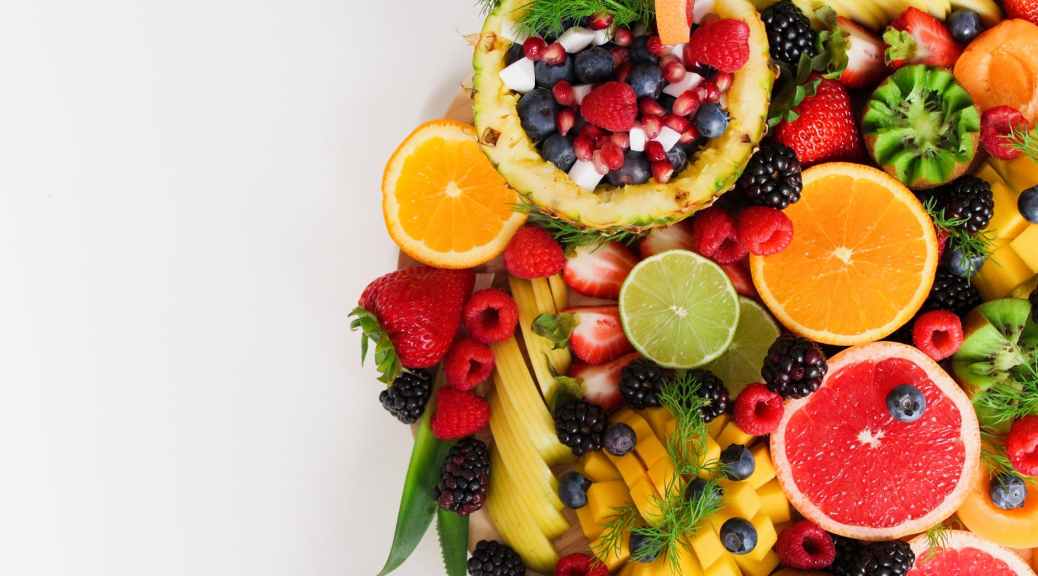
I will now put on my mother hat and tell you this: Eat your fruits and vegetables.
Here’s why. A new study finds that inadequate intake of produce may make up for 2.8 million deaths, globally, from heart condition and strokes annually. The researchers concluded that low fruit intake resulted in 1.8 million cardiovascular deaths in twenty ten. I believe that not eating enough vegetables resulted in 2 million deaths.” Fruits and vegetables certainly are a modifiable factor of diet that can impact preventable deaths globally,” said lead study author Victoria Miller, a postdoctoral researcher along at the Friedman School of Nutrition Science and Policy at Tufts University. “Our findings indicate the call for population-based efforts to increase fruit and vegetable consumption through the entire world.”
The researchers used data from 2010 and found:
Suboptimal fruit consumption generated in nearly 1.3 million deaths from stroke and even more than 520,000 deaths from the disease of the coronary artery.
Suboptimal vegetable consumption brought about around 200,000 deaths from stroke and more than 800,000 deaths from the condition of the coronary artery.
For the study, the researchers used dietary guidelines and studies of cardiovascular risk factors to come up with a fruit and vegetable standards, they defined:
Optimal fruit intake: 300 grams per day, equivalent to roughly two small apples. Optimal intake of vegetables: Including legumes, 400 grams per day, equivalent to about three cups of raw carrots.
The data they used came from 113 countries, comprising around 82 percent of the world’s population.
Countries in South Asia, East Asia and Sub-Saharan Africa had low fruit intake and high rates of associated stroke deaths. Countries in Central Asia and Oceania had low vegetable intake and high rates of associated coronary heart disease.
The maps below show the percentage of cardiovascular deaths (CVD) attributable to suboptimal vegetable and fruit intake in countries around the world.
Global Dietary Database 2010/Friedman School of Nutrition Science & Policy at Tufts University/CC BY 4.0
Global Dietary Database 2010/Friedman School of Nutrition Science & Policy at Tufts University/CC BY 4.0
Perhaps the United States, with all of our relative abundance and free natural resources, did not fare that well. Inside the U.S., avoiding food enough vegetables defined 82,000 cardiovascular deaths while suboptimal fruit was linked to 57,000 deaths regarding the year.
Tahini is typically a common ingredient in popular foods worldwide, including hummus, halva, and baba ghanoush.
Favored to its smooth texture and rich taste, it may be used as a dip, spread, salad dressing, or condiment.
Plus it boasts a dust bin of nutrients and a number of other rewards, that makes it vital for practically any kitchen pantry.
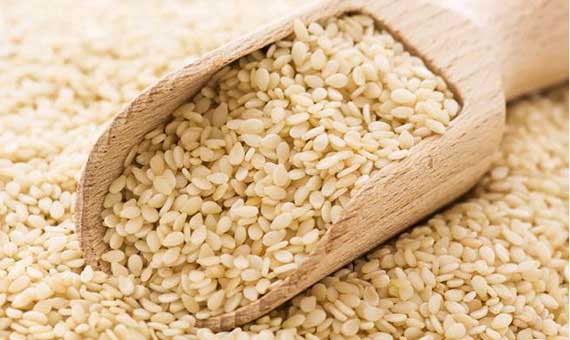
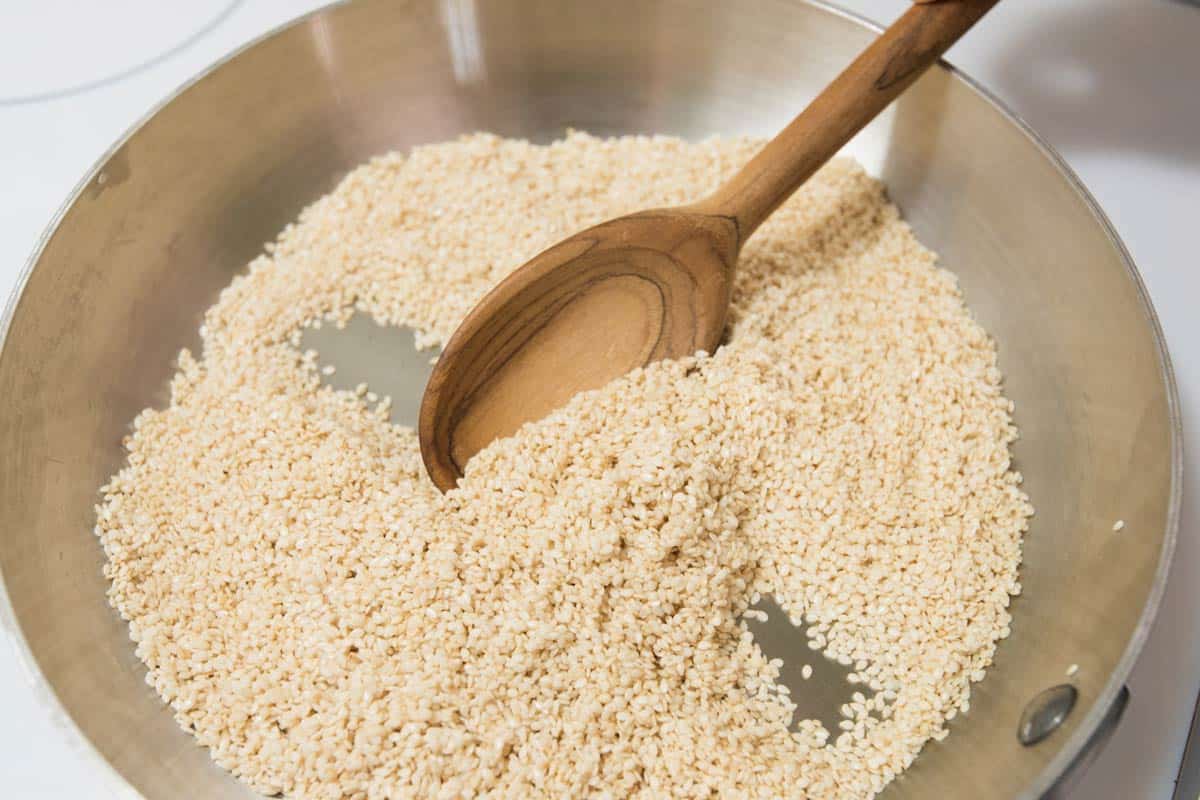
Tahini is typically a paste made out of toasted and ground sesame seeds. Considered essential of Mediterranean cuisine, tahini is often featured in traditional Asian, Middle Eastern, and African dishes too.
It’s a remarkably versatile ingredient which can be served just like a dip, spread, or condiment.
It typically possesses a smooth texture similar to nut butter but a stronger, more savory taste that’s often talked about as bitter.
In addition to providing valuable nutrients, tahini has as well been linked to many perks, including improved heart health, reduced inflammation, and potential cancer-fighting effects.

















 The Dantzler Report!