Tag Archives: disease

Did you know that getting protein from a wide variety of sources may lower the risk of high blood pressure?

According to a new study, getting protein from a broad range of sources may help individuals reduce their chance of developing high blood pressure.

Dinner table spread of dishes containing different types of protein: fish, shrimp, chicken and pork
CREDIT: GETTY / BRETT STEVENS

According to the results, eating a well-balanced and diverse diet may assist in maintaining good cardiovascular health. According to the American Heart Association, heart disease is the leading cause of mortality in the United States. Hypertension is one of the most critical risk factors. A study found that those who consumed four or more protein sources each week had a 66 percent decreased chance of having high blood pressure. However, people who consumed the least quantity of total protein were likewise at a higher risk of developing cancer.

This is not the first time that protein intake has been related to an increased risk of hypertension. The American Heart Association suggests consuming one to two servings (about 5.5 ounces) of protein each day to maintain a healthy weight. Plant proteins, fish or shellfish, low-fat or nonfat dairy products, and lean meats are all excellent choices for protein sources. There are a few basic actions you can take to help you increase the variety of proteins in your diet. Unfortunately, hypertension comes with a higher chance of acquiring various medical disorders like heart disease and stroke.

Incorporating new protein sources into your diet may help lower your chance of developing hypertension, but it is not the only approach to achieving this goal. Various other dietary and lifestyle adjustments have been demonstrated to effectively delay the onset of a hypertension diagnosis.

Di you know that study finds microplastics in blood?

It is possible that microplastics are present in food. We have all heard about how micro-plastics are becoming more prevalent in the food that we consume. Those microscopic particles have now made their way into our bloodstreams.

Photo credit pcess609/Getty Images

The bloodstream of an individual may include microplastics. Scientists from the Netherlands claim to have discovered microplastics in the blood, and they believe that they are on their way to human organs as well.

Several studies have been conducted on various types of drinking bottles. According to the findings of the study, which was published in the Journal Environmental International, the researchers discovered the plastics in 80 percent of the participants who participated in the study. Approximately half of them had polymers used in beverage bottles and a third contained polystyrene, which is used in Styrofoam.

According to them, this is the first time this has ever occurred during their testing. These plastic particles, according to the researchers, might enter our systems via food, air, water, toothpaste, or even lip gloss products.

Did you know that Omicron BA.2 subvariant will soon dominate in the U.S., but Fauci doesn’t expect another surge?

According to data published this week by the Centers for Disease Control and Prevention, Omicron’s more contagious subvariant, BA.2, has more than doubled in prevalence in the United States over the last two weeks and now accounts for more than 34% of Covid-19 infections that have undergone genetic sequencing. Since February 5, when it comprised roughly 1% of genetically analyzed viral samples in the United States, BA.2 has been progressively increasing as a fraction of Covid variants circulating in the country. BA.2 probably already accounts for 50% of new infections in the United States since many individuals do tests at home that are not included in official statistics, according to Ali Mokdad, an epidemiologist at the University of Washington’s Institute for Health Metrics and Evaluation. In addition, Walgreens data indicates that BA.2 is the leading variety, accounting for 51% of all positive Covid cases for the week ending March 19.

Reference

Omicron BA.2 subvariant will soon dominate in the U.S., but Fauci doesn’t expect another surge. https://www.cnbc.com/2022/03/23/covid-omicron-bapoint2-subvariant-will-soon-dominate-in-us-but-fauci-doesnt-expect-another-surge.html?fbclid=IwAR1PtlOWk2ebo9dnBoKtsqyiH_wbf5mMmWMnNjPqt03RYgVyEZ2HCwcjHtY

Did you know that High-protein diets may drive down testosterone levels in men, researchers say?

According to recent research, high-protein diets may decrease testosterone levels in males.

grandriver/Getty Images

The study, conducted by nutritionist Joe Whittaker and published in the Journal of Nutrition and Health, examined the testosterone levels of 309 males over eight weeks. Their testosterone levels had reduced by 37% after the trial. According to Whittaker, a nutritional therapy researcher at the University of Worcester in the United Kingdom, participants had symptoms consistent with low testosterone levels, including erectile dysfunction, exhaustion, sadness, and muscular weakness. According to Whittaker, the results indicate that consuming 35 percent of a man’s total calorie intake as protein—double the norm for males, according to certified dietitian Erin Coleman via SF Gate—can decrease testosterone levels. According to his studies, he thinks that consuming less than 35% protein might still result in reduced testosterone. Bonnie Taub-Dix, a registered dietitian, told Insider that while she agrees that too much protein can result in decreased testosterone in men, she believes this would not apply to most people and would only affect those who consume an excessive amount of protein in an attempt to build muscle. One disadvantage of the research is that it followed patients for eight weeks and did not account for other lifestyle variables that may affect testosterone levels. Taub-Dix said that guys who consume a high-protein diet to fuel their gains may make muscle growth more difficult since low testosterone levels might impede a man’s bulking process. Testosterone is the primary hormone responsible for muscular building, according to Healthline. Chronic diseases may be exacerbated by low testosterone levels. Whittaker noted that while the study’s subjects experienced numerous short-term side effects of low testosterone levels, he cited research indicating that long-term low testosterone levels can result in risks and conditions such as infertility and an increased risk of chronic illnesses such as cardiovascular disease, diabetes, and Alzheimer’s. Healthy testosterone levels are often related to robust bone density, the capacity to grow muscle and strength, mood and cognitive function management, and sexual desire in males, according to Kevin Codorniz, MD, head of endocrinology at Loma Linda University Health.

Reference

High-protein diets may drive down testosterone levels in men, researchers say. https://www.insider.com/high-protein-diets-decrease-men-testosterone-levels-researchers-say-2022-3?fbclid=IwAR26cxQww7bQNVHd-qa4B44hdfyiwpt6WOO8Cf2nOUfMbEyjb3lhX2Vf4HM

Did you Know COVID-19 infections are increasing again in Europe?

COVID-19 infections are increasing again in Europe after a decline over the Christmas holiday season, and scientists are warning that another wave might hit the US.

An annotated map showing subvariant distribution in the US as of March 15. CDC/Insider

COVID-19 outbreaks in Europe have historically preceded an increase in cases in the United States, and scientists have speculated that this may be the case here as well. The increase in instances, as seen below, is believed to be the consequence of a combination of the emergence of a more infectious subvariant of Omicron termed BA.2 and the recent easing of COVID-19 limitations in several European nations, according to Eric Topol, a cardiologist, and director of the Scripps Institute, in The Guardian. However, we must exercise caution since we are not yet out of the woods. This virus has not been eradicated, and we must be prepared to cope with it.

Reference

COVID-19 is surging again in Europe thanks to the BA.2 subvariant and will likely spread to the US soon. https://www.businessinsider.com/omicron-europe-surge-ba2-us-wave-likely-coming-2022-3?fbclid=IwAR2iaVekoequ6Rx6blwaEpJXcrExFUS3SKDSDqLpjA3KSwHnjnli4clxYko

Should Individuals Be Worried About Covid — Again?

Covid instances are declining in the United States, and mask restrictions are being removed throughout the country. Despite this, almost a third of the wastewater sampling locations in the United States revealed growing Covid-19 levels in the first ten days of March. So, is Covid on its way out or not?

According to experts, there are many reasons why Americans should not relax their guard just yet. “For some reason, the world has decided Covid is finished — and that really bothers me,” said Akiko Iwasaki, a professor of immunobiology at Yale School of Medicine. “It’s asking for problems to lift all of these regulations so rapidly.”

Reference

Should I Be Worried About Covid — Again?.https://www.bloomberg.com/news/articles/2022-03-16/is-covid-over-how-to-protect-yourself-post-lockdown?fbclid=IwAR0OyKQnW-DCSR57uqylMsvkVd9Ar-yzyxrU0V8rSeyf1frrFQQ4pl5tgrk

Did you know China’s zero covid wavers as infections spread and complaints about lockdowns surge?

China’s greatest coronavirus epidemic in two years has spread to practically every corner of the nation, straining medical resources, closing companies, and industrial plants, and raising doubts about the government’s steadfast adherence to its zero COVID policy.

On Wednesday, health officials recorded 3,054 domestic coronavirus cases, a decrease from the previous day, when officials reported the country’s highest daily toll since 2020 of 5,154 local infections—still tiny numbers compared to most other big nations, but huge jumps for China.

On Tuesday, there were new coronavirus cases in at least 28 of the country’s 31 provinces and regions. The majority of the cases were caused by the BA.2 variant of the omicron coronavirus.

China is especially susceptible to the rapidly expanding omicron form.

According to a National Health Commission briefing on Tuesday, more than 50 million Chinese citizens over the age of 60 have not been completely immunized. If the epidemic is not contained, China risks becoming like Hong Kong, where more than 4,500 people died as a result of not being adequately vaccinated.

One user tweeted on the microblog Weibo on Monday that their family was detained on a highway for 14 hours attempting to reach the eastern Chinese town of Wuxi due to the abrupt new lockdown measures.

Despite signals of dissent, China has vowed to stick to its zero COVID policy.

Reference

China’s zero covid wavers as infections spread and complaints over lockdowns surge. https://www.washingtonpost.com/world/2022/03/16/china-coronavirus-zero-covid-outbreak/?fbclid=IwAR1W-fAMbWARxZCoXUkm9mJ8z0wh0FiJlsISSyWN0OmZFKMr4I5eF8Fn6uI

Did you know that Pfizer is intending to publish data on the fourth Covid injection in the near future, while also working on a vaccination for all variants?

According to Pfizer’s CEO, the business is developing a vaccine that will protect against all coronavirus types. In addition, Pfizer is preparing to submit data to the FDA for a fourth Covid injection and additional vaccinations. A Covid vaccination has been administered to about 81.4 percent of the US population aged five and above. According to Pfizer’s CEO, the business is developing a vaccine that will protect against all coronavirus types. Pfizer intends to submit data for a fourth Covid injection to the Food and Drug Administration shortly.

The statements came two years after the World Health Organization designated Covid a pandemic. Due to the omicron wave, the number of persons vaccinated against Covidroids in the United States has declined dramatically since peaking in January of this year. Since then, Pfizer, Moderna, and Johnson & Johnson have given at least one vaccination dose to 81.4 percent of the American population aged five and above. “I believe the most pressing challenge for all of us is how to keep ahead of the virus,” said Ian Bourla, CEO of Pfizer.

Reference
What’s new in coronavirus: Pfizer is preparing to submit …. https://newyorklatestnews.com/whats-new-in-coronavirus-pfizer-is-preparing-to-submit-data-to-the-fda-about-children-aged-5-11-years/291946/

Did you know that blood pressure medications may help to prolong the life of patients with pancreatic cancer?

7 March 2022 – New study reveals that everyday blood pressure drugs may extend the lives of individuals with pancreatic cancer, a notoriously difficult-to-treat illness with dismal survival rates.

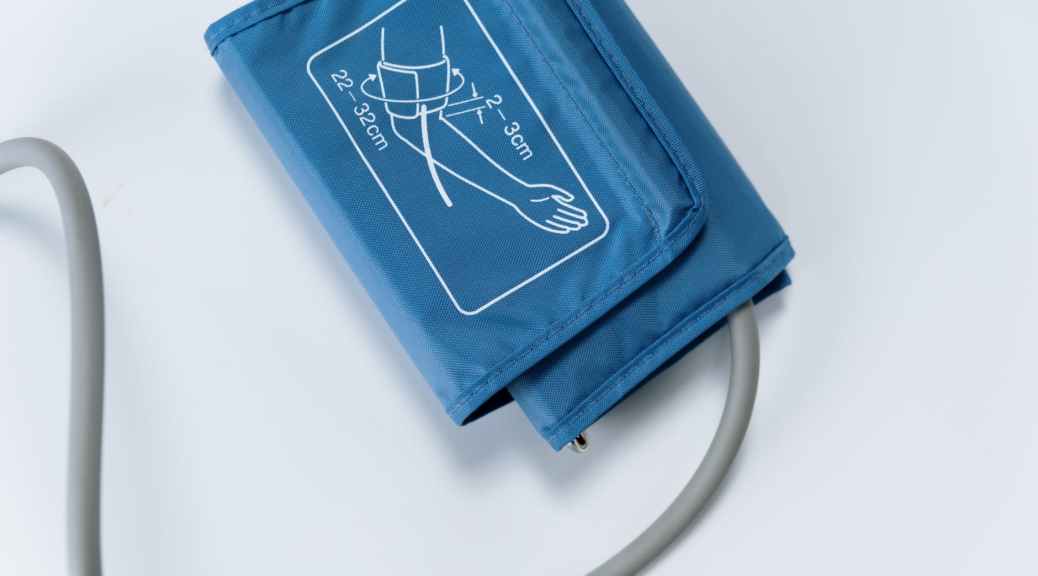
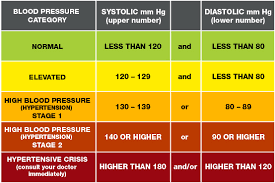
Note: A diagnosis of high blood pressure must be confirmed with a medical professional. A doctor should also evaluate any unusually low blood pressure readings.

These medications, referred to as angiotensin-converting enzyme inhibitors and angiotensin II receptor blockers, work by relaxing veins and arteries and enabling the heart to pump blood more freely. These drugs have been found in animal studies to reduce the development of pancreatic cancer. Numerous tiny human investigations imply the same phenomenon, but the sample sizes were insufficient to make firm conclusions. The new study analyzed data on 3.7 million persons in Italy and discovered 8,158 cases of pancreatic cancer reported between 2003 and 2011. The research, published in the journal BMC Cancer last month, discovered that most of these individuals died within about six months after diagnosis. Patients who received ARBs after a diagnosis of pancreatic cancer had a 20% decreased risk of death compared to identify patients who did not get ARBs. ARB users showed a 28% decreased risk of death in a smaller cohort of individuals who had cancer surgery. Patients with pancreatic cancer who used ACE inhibitors had a 13% decreased risk of death during the first three years after diagnosis, but this effect diminished with time. “ARBs and ACE inhibitors should still be considered experimental therapies for pancreatic cancer,” research investigator Scott Keith, Ph.D. of Thomas Jefferson University in Philadelphia, warns. Timothy Pawlik, MD, Ph.D., also warns against drawing definitive conclusions from this research. “While the statistics are intriguing, they are not definitive,” adds Pawlik of Ohio State University’s Comprehensive Cancer Center. “Because the research is retrospective, it is prone to selection and treatment bias. Additionally, the data were taken from an administrative health care database, which is known for its lack of detailed clinical information “he emphasizes. Additionally, Pawlik emphasizes that research on the effects of blood pressure drugs on cancer risk and outcome is inconsistent. Numerous prior research shows that ACE inhibitors and ARBs may protect against some types of cancer, such as colorectal cancer, while other data reveal a probable relationship between ACE inhibitors and an increased risk of certain types of cancer, such as lung cancer.

Reference
Blood Pressure Meds May Prolong Life in Pancreatic. https://www.webmd.com/cancer/pancreatic-cancer/news/20220307/blood-pressure-meds-for-pancreatic-cancer?fbclid=IwAR0N3j-_pDSVcFXu7OajXAyv0dazqfaFh9hTGGzm9T_99iRsRUB7lSMYsZs
Diabetes Report Card 2019 | CDC. https://www.cdc.gov/diabetes/library/reports/reportcard.html

Could Wine Consumption with Dinner Reduce the Risk of Type 2 Diabetes?

Consumption of alcohol in moderation may have some health benefits, including improvements in glucose metabolism.

Алик Фатхутдинов / Getty Images

A study published in October 2015 discovered that moderate wine consumption significantly reduced cardiometabolic risk in people with type 2 diabetes. For more than a decade, the study followed 312,388 healthy current drinkers who did not have type 2 diabetes. Consuming wine with dinner was associated with a 14% lower risk of type 2 diabetes when compared to drinking alcohol alone. Wine’s flavonoids and other antioxidants (ethanol can act as an antioxidant) can help protect the heart and blood vessels from alcohol’s damaging effects.

Due to the majority of participants being white, it is unknown whether the findings are applicable to other populations. Alcohol consumption is associated with both short- and long-term health risks, including motor vehicle accidents, violence, sexual risk behaviors, high blood pressure, obesity, stroke, breast cancer, liver disease, depression, suicide, and alcohol abuse. The more a person drinks, the greater the risk to his or her health. The risk of developing certain cancers and other health problems increases even at very low levels of alcohol consumption — less than one drink daily — for some cancers and other health problems. According to the CDC, moderate alcohol consumption can increase your risk of developing type 2 diabetes.

For women, “moderate” drinking is defined as one glass of wine or other alcoholic beverage per day; for men, it is defined as up to two glasses per day. A standard drink in the United States contains 0.6 ounces (oz) or 1.2 tablespoons of pure alcohol. That is the typical amount found in a 12-ounce beer with a 5% alcohol content.

Reference

Drinking Wine With Dinner May Reduce the Risk for Developing Type 2 Diabetes. https://www.everydayhealth.com/type-2-diabetes/drinking-wine-with-dinner-may-reduce-the-risk-for-developing-type-2-diabetes/?fbclid=IwAR1vhW1NY0gNHUYhZR8_n-HQy0HklRtRh6PETI7KQkqwAyQP0sy4maIstmw