Category Archives: Healthy eating

The Balanced Plate: Macronutrients for Optimal Health

Achieving and maintaining good health requires a well-balanced diet that includes the right proportions of macronutrients: carbohydrates, proteins, and fats. Each of these macronutrients plays a crucial role in your body’s functions, and finding the right balance can significantly impact your overall well-being.

Carbohydrates: Carbohydrates are your body’s primary source of energy. They provide glucose, which fuels your cells and powers your daily activities. Choose complex carbohydrates like whole grains, legumes, and vegetables for sustained energy and fiber that supports digestive health.

Proteins: Proteins are essential for the repair and growth of tissues in your body. They are composed of amino acids, which are the building blocks of life. Include lean protein sources like poultry, fish, beans, and tofu to support muscle development and repair.

Fats: Dietary fats are essential for various bodily functions, including the absorption of fat-soluble vitamins (A, D, E, and K), brain health, and hormone production. Opt for healthy fats like those found in avocados, nuts, seeds, and olive oil while limiting saturated and trans fats found in processed and fried foods.

Finding the right balance of these macronutrients is a personal journey and can vary depending on age, activity level, and individual health goals. However, a general guideline is to aim for a diet that consists of approximately 45-65% carbohydrates, 10-35% protein, and 20-35% fat.

Balancing your macronutrients is essential for maintaining energy levels, weight management, and overall health. Remember that moderation is necessary, and choosing high-quality sources of each macronutrient is crucial for the best results.

In conclusion, achieving a well-rounded diet involves understanding and balancing the macronutrients in your meals. Paying attention to the types and proportions of carbohydrates, proteins, and fats you consume can support your body’s functions and promote optimal health.

The Foundation of Healthy Eating: Nutrient-Dense Foods

Healthy eating is not just a trend but a fundamental aspect of maintaining overall well-being. To embark on a journey towards healthier eating habits, it is essential to understand the foundation of this lifestyle: nutrient-dense foods.

Nutrient-dense foods provide a high concentration of essential nutrients, vitamins, and minerals per calorie. These foods are packed with the goodness your body craves without the excess calories that can lead to weight gain and other health issues. Let us explore the significance of incorporating nutrient-dense foods into your diet.

When you prioritize nutrient-dense options, you give your body the tools to thrive. These foods provide essential vitamins like A, C, D, and E and minerals such as calcium, potassium, and magnesium. They also offer a rich source of dietary fiber, which aids in digestion and helps you feel fuller for longer.

Examples of nutrient-dense foods include leafy greens like spinach and kale, colorful vegetables like bell peppers and carrots, lean proteins such as chicken breast and tofu, whole grains like quinoa and brown rice, and healthy fats like avocados and nuts. By incorporating these foods into your meals, you can ensure you nourish your body with the nutrients it needs to function optimally.

One of the significant advantages of nutrient-dense foods is that they promote better overall health. They can help you maintain a healthy weight, support your immune system, and reduce the risk of chronic diseases such as heart disease, diabetes, and certain types of cancer. Additionally, nutrient-dense foods can enhance your energy levels and cognitive function, allowing you to lead a more active and fulfilling life.

In conclusion, prioritize nutrient-dense foods if you want to change your diet positively and embrace a healthier lifestyle. These choices give your body essential nutrients and promote long-term health and well-being. Remember, healthy eating is not about deprivation but about nourishing your body with the best possible fuel.

Citations:

Fasting, W. I. I. Foods to Avoid While Intermittent Fasting: A Comprehensive Guide Optimizing Your Intermittent Fasting Journey: A Comprehensive Guide to Foods to Avoid.

Hernandez, J. (2023). Knowing Why We Eat, Understanding the Factors Influencing Food Choices: Discover the Secret to Achieving the Body You Want With a Simple 7-Step Plan. F4URY.

The Foundations of Healthy Eating

Healthy eating is more than just a trend; it’s fundamental to maintaining good health and well-being. At its core, healthy eating is about making conscious choices that nourish your body with the essential nutrients it needs to function optimally.

Photo by Pixabay on Pexels.com

When you prioritize healthy eating, you focus on consuming various foods from all food groups, including fruits, vegetables, whole grains, lean proteins, and healthy fats. This balanced approach ensures you get a wide range of vitamins, minerals, fiber, and antioxidants necessary for your body’s growth, repair, and overall vitality.

Building the foundation of healthy eating starts with making mindful choices and embracing a balanced diet rich in nutrient-dense foods. This sets the stage for a healthier, happier life.

Citation:

Block, L. G., Grier, S. A., Childers, T. L., Davis, B., Ebert, J. E., Kumanyika, S., … & Bieshaar, M. N. G. (2011). From nutrients to nurturance: A conceptual introduction to food well-being. Journal of Public Policy & Marketing30(1), 5-13.

Block, L. G., Grier, S. A., Childers, T. L., Davis, B., Ebert, J. E., Kumanyika, S., … & Bieshaar, M. N. G. (2011). From nutrients to nurturance: A conceptual introduction to food well-being. Journal of Public Policy & Marketing, 30(1), 5-13.

How reliable are the findings that suggest emulsifiers in processed foods may increase cardiovascular risk, and what further research is needed to confirm or refute this association?

A ground-breaking study by The BMJ sheds harsh light on the potential dangers lurking within our favorite processed foods in a shocking revelation that could shock the food industry. Brace yourself for this unsettling truth: those seemingly harmless emulsifiers, the very substances that make our indulgent treats extra mouthwatering, might actually be silently plotting against our cardiovascular health. Yes, you read that right. The very same additives found in pastries, ice cream, and ready meals could be putting our hearts at risk. It’s time to take a closer look at what we’re really consuming.

Food additives, including emulsifiers, undergo regular safety assessments based on the scientific evidence available. However, recent studies indicate these emulsifiers may disrupt gut bacteria and heighten inflammation levels, potentially increasing susceptibility to cardiovascular problems.

To investigate the potential health risks further, researchers in France undertook a study to establish possible links between exposure to emulsifiers and the risk of cardiovascular disease, including coronary heart disease and cerebrovascular disease. These diseases affect blood flow and blood vessels in the heart and brain. The study involved 95,442 French adults with no history of heart disease and averaged follow-up records for seven years. Participants provided detailed dietary records and any major CVD events they experienced.

The study revealed that higher intake of specific types of emulsifiers—total celluloses (E460–E468), cellulose (E460), and carboxymethylcellulose (E466)—was positively correlated with higher risks of CVD and, specifically, coronary heart disease. In addition, higher intakes of monoglycerides and diglycerides of fatty acids (E471 and E472) were related to higher risks across all studied outcomes. Among these emulsifiers, specific types were associated with higher risks of CVD and cerebrovascular diseases.

It is essential to note that this is an observational study and cannot definitively establish causality. The researchers acknowledged limitations such as the high proportion of women and the generally higher educational background of the participants, which may affect the generalizability of the findings. Despite these limitations, the study could prompt a reevaluation of regulations concerning the use of food additives in the food industry to protect consumers.

Given these findings, several public health authorities recommend reducing the consumption of ultra-processed foods to limit exposure to these potentially harmful additives. This study serves as a cautionary note, urging both the public and regulatory bodies to scrutinize the long-term effects of substances that are so widely incorporated into modern diets.

According to the text, the specific types of emulsifiers that are positively correlated with higher risks of CVD and, specifically, coronary heart disease are total celluloses (E460–E468), cellulose (E460), and carboxymethylcellulose (E466). The text also mentions that recent studies indicate these emulsifiers may disrupt gut bacteria and heighten inflammation levels, potentially increasing susceptibility to cardiovascular problems. To limit exposure to these potentially harmful additives, several public health authorities recommend reducing the consumption of ultra-processed foods.

Cited Works:
News-Medical.net. “High Intake of Emulsifiers May Increase Risk of Cardiovascular Disease,” September 7, 2023 https://www.news-medical.net/news/20230907/High-intake-of-emulsifiers-may-increase-risk-of-cardiovascular-disease.aspx.

Komulainen, Pirjo. “The Association of Vascular and Neuroprotective Status Indicators with Cognitive Functioning: Population-Based Studies (Verisuonisairauksien RiskitekijöIden Ja AivoperäIsen HermokasvutekijäN Yhteys Kognitiiviseen Toimintakykyyn – VäEstöTutkimus)” https://core.ac.uk/download/pdf/15167220.pdf.

Can Consuming Nuts Improve Cognitive Function? An Academic Exploration into Diet and Mental Acuity

In contemporary cultures characterized by rapid speed, the capacity to sustain focus and preserve cognitive lucidity has assumed heightened significance. However, a study conducted at the Technical University of Denmark indicates evidence of a decline in the global attention span, which may be attributed, at least in part, to the phenomenon of information overload. Moreover, a scholarly article published in the esteemed journal Trends in Neuroscience postulates that long-term exposure to stress might expedite the process of age-related deterioration in the brain. Within the intricate interaction between contemporary existence and cognitive well-being, a singular dietary modification is noteworthy due to its possible advantages: the consistent incorporation of nuts into one’s regular intake.

Mrinal Pandit, a licensed dietitian and clinical nutritionist, underscored the correlation between food choices and cognitive performance in a statement sent to Newsweek. According to Pandit, the selection of food directly influences the functioning of our brains, either positively or negatively. Consuming meals that are abundant in carbs, sweets, and unhealthy fats has the potential to impede the normal functioning of the brain. In contrast, the consumption of foods that are rich in critical nutrients has the potential to augment mental clarity. Nuts are included in the abovementioned group due to their high content of proteins, minerals, vitamins, and omega-3 fatty acids.

The Impact of Omega-3 Fatty Acids on Cognitive Function

Omega-3 fatty acids are a crucial element that contributes to the classification of nuts as diets that enhance cognitive function. The human body does not generate these necessary fats; they play a crucial role in several physiological processes, such as blood clotting and regulating anti-inflammatory responses. Omega-3 fatty acids are essential for the promotion of optimum brain function. Pandit clarified by stating that omega-3 fatty acids can maintain the patency of blood vessels and enhance blood circulation, thereby facilitating the delivery of oxygenated blood to the brain for nourishment.

The Impact of Different Types of Nuts on Cognitive Aging

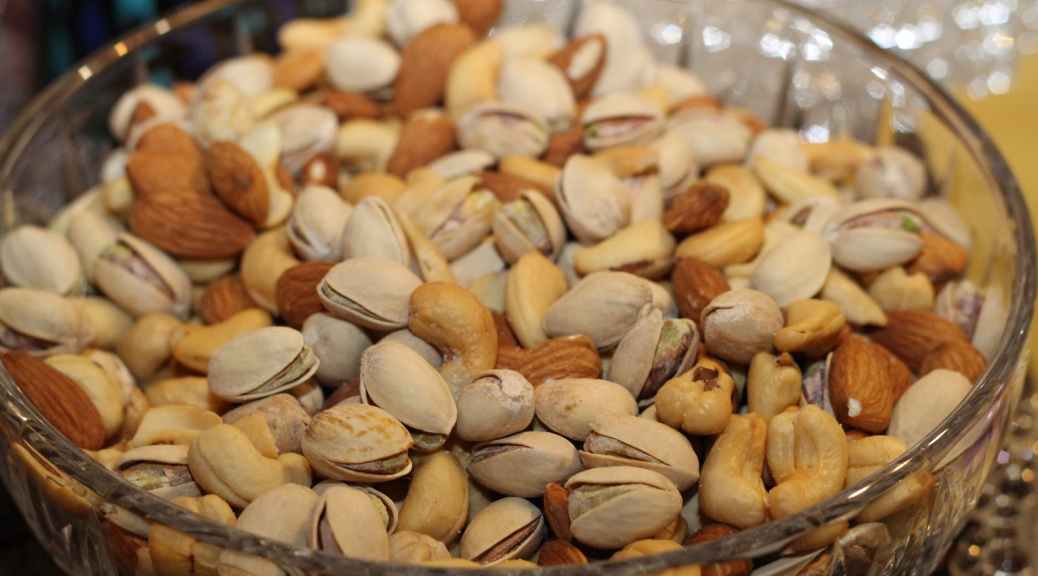
The advantages of consistent nut eating for cognitive aging were shown in longitudinal research conducted in 2014. The cognitive results of older people who frequently ingested nuts were better than those of those who refrained from nut consumption. Nevertheless, it is essential to acknowledge that various species of nuts possess distinct nutritional compositions, imparting various health advantages. According to Pandit, almonds are abundant in vitamin E, and walnuts contain high levels of omega-3 fatty acids and selenium. At the same time, cashews serve as an exceptional source of magnesium, a mineral recognized for its potential to enhance memory and attention.

The quantity of cognitive benefits

According to Pandit, consuming 30g of nuts daily is recommended, which is equivalent to two tablespoons or one-eighth of a cup. This dietary practice is believed to contribute to the enhancement of cognitive well-being. Incorporating nuts into an individual’s dietary regimen is relatively easy and requires little time. These food items have the potential to be eaten independently as snacks or integrated into various meal preparations. Nuts may readily be included in an individual’s nutritional routine, serving as versatile additions to various dishes, from salad toppers to smoothie ingredients.

In summary, it can be concluded that

As the need to enhance cognitive resilience becomes more pressing in contemporary cultures characterized by rapid speed, attention naturally shifts towards identifying lifestyle modifications that may be readily adopted. Using nuts in one’s dietary regimen presents a scientifically supported, practical, and palatable approach among the array of choices accessible. Based on the extant body of studies about the cognitive advantages associated with consuming nuts, such as enhanced focus and the deceleration of cognitive decline, including nuts in one’s diet has significant potential for yielding favorable outcomes. Pandit’s recommendation to include a diverse range of nuts in one’s diet is a prudent suggestion for anyone seeking to enhance cognitive well-being amidst the growing prevalence of distractions in contemporary society.

Cited Works:

Barbour, Jayne A., Peter RC Howe, Jonathan D. Buckley, Janet Bryan, and Alison M. Coates. “Nut consumption for vascular health and cognitive function.” Nutrition Research Reviews 27, no. 1 (2014): 131–158.

Theodore, Lauren E., Nicole J. Kellow, Emily A. McNeil, Evangeline O. Close, Eliza G. Coad, and Barbara R. Cardoso. “Nut consumption for cognitive performance: a systematic review.” Advances in Nutrition 12, no. 3 (2021): 777–792.

Wu, Weijie, Ben Niu, Liang Peng, Qi Chen, Huizhi Chen, Hangjun Chen, Wei Xia, Long Jin, Jesus Simal-Gandara, and Haiyan Gao. “Recent advances on the effect of nut consumption on cognitive improvement.” Food Frontiers (2023).

Miller, Marshall G., Nopporn Thangthaeng, Shibu M. Poulose, and Barbara Shukitt-Hale. “Role of fruits, nuts, and vegetables in maintaining cognitive health.” Experimental Gerontology 94 (2017): 24-28.

Understanding the Impact of Diet on Pre-Diabetic Microbiome and Health Outcomes: A Recent Study

Subscribe to continue reading

Become a paid subscriber to get access to the rest of this post and other exclusive content.

Nutrition Matters: The Importance of Healthy Eating for Individuals with Alzheimer’s Disease

Eating a healthy diet is crucial for individuals with Alzheimer’s disease to maintain their well-being. This article provides helpful tips for healthy eating in the context of Alzheimer’s. When a person with Alzheimer’s lives with you, buying and preparing nutritious foods that they enjoy and can easily consume is essential. Offering choices and opting for easy-to-prepare meals can simplify the process. For those living alone, non-cooking food options can be purchased, and regular reminders about meals should be given. Maintaining familiar routines and serving favorite foods can make mealtimes more accessible, providing a sense of predictability and comfort for individuals with Alzheimer’s. Patience, respecting personal preferences, and considering cultural or religious food choices are critical. As the disease progresses, adaptations may be necessary, and monitoring weight and eating habits becomes crucial. Caregivers should be attentive to changes in appetite, physical activity levels, and any difficulties with chewing or swallowing, seeking guidance from the person’s doctor when needed.

Some specific examples of easy-to-prepare meals for individuals with Alzheimer’s include:

  1. Sandwiches or Wraps: These can be made with various fillings such as deli meats, cheese, tuna, or egg salad. Using whole-grain bread or wraps adds nutritional value.
  2. Soups or Stews: Prepare simple soups or stews using pre-cut vegetables, lean meats, and low-sodium broth. These can be easily reheated and provide a comforting and nutritious option.
  3. Pre-made Salads: Pre-packaged salads with mixed greens and vegetables can be convenient. Adding grilled chicken, boiled eggs, or canned tuna can increase protein content.
  4. Yogurt Parfait: Layer yogurt, fresh fruits, granola, or nuts in a bowl or cup. It is a quick and nutritious option that can be customized based on taste preferences.
  5. Frozen Meals: Look for pre-packaged frozen meals for older adults or individuals with specific dietary needs. These often require minimal preparation and can provide a balanced meal.
  6. Smoothies: Blend fruits, yogurt, and a liquid like milk or juice to create a nutritious and easy-to-consume smoothie. This can be an excellent option for those struggling with solid foods.

Remember to consider any dietary restrictions or preferences when preparing these meals. It is essential to consult with a healthcare professional or dietitian for personalized recommendations based on individual needs.

Resources
Woodland Valley Softball Little League > Home. https://tshq.bluesombrero.com/Default.aspx?tabid=2520883&mid=2561201&newskeyid=HN1&newsid=267815&ctl=newsdetail
New Discovery: How Much Magnesium Should A Diabetic Take Daily – BeatingDiabetes. https://beatingdiabetes.org/how-much-magnesium-should-a-diabetic-take-daily/

Are current dietary recommendations for cardiovascular health facing challenges in light of emerging evidence regarding the impact of saturated fatty acids on the levels of low-density lipoprotein cholesterol (LDL-C) and lipoprotein A (Lp(a))?

A recent perspective piece published in The American Journal of Clinical Nutrition delved into the current dietary recommendations aimed at reducing the intake of saturated fatty acids in order to mitigate the risk of cardiovascular disease.

The article shed light on the impact of lower saturated fatty acid intake on low-density lipoprotein cholesterol (LDL-C) and lipoprotein A. While dietary modifications have garnered significant attention in cardiovascular disease prevention, the effectiveness of replacing saturated fatty acids with alternative options remains unclear. Recent studies have shown that while reducing saturated fatty acid intake lowers LDL-C levels, it leads to an increase in lipoprotein A levels, which is associated with an elevated risk of cardiovascular disease. Lipoprotein A has been identified as an independent risk factor for atherosclerosis-related cardiovascular disease. Although genetic factors primarily regulate lipoprotein A levels, certain non-genetic factors, including dietary saturated fatty acid intake, contribute to its increase. Replacing saturated fatty acids with carbohydrates or monounsaturated fatty acids does lower LDL-C levels but also results in a concurrent increase in lipoprotein A levels. This finding calls for further research and better clinical practices to monitor the effects of dietary changes on lipoprotein A and LDL-C levels. Additionally, assessing cardiovascular disease risk accurately may require measuring LDL-C independently of lipoprotein A cholesterol content or including an evaluation of lipoprotein A cholesterol content. The study suggests that individualized dietary recommendations tailored to lipid profiles and considering additional cardiac health markers, such as lipoprotein A cholesterol content, may be necessary for effective disease prevention.

Dietary Recommendations For Cardiovascular Health Challenged By New …. https://primenewsprint.com/health/dietary-recommendations-for-cardiovascular-health-challenged-by-new-evidence-on-saturated-fatty-acids-effects-on-ldl-c-and-lpa-levels/

Would you like to hear that a new study links coffee consumption to a lower risk of death?

During the trial period, individuals who had moderate quantities of coffee, even with a little sugar, were 30 percent less likely to die than those who did not consume coffee.

Aileen Son for The New York Times

Researchers analyzed coffee consumption data obtained from the U.K. Biobank, a vast medical database including health information on the whole nation’s population. Three to five cups of unsweetened coffee per day was associated with the lowest mortality risk. Inconclusive were the data for persons who consumed coffee with artificial sweeteners. Other lifestyle factors, such as a healthy diet and frequent exercise, may also contribute to a reduced risk of death.

Coffee users may pick cold brew or drip coffee over less healthy caffeine sources, such as energy drinks or soda. Coffee beans have high quantities of antioxidants, which may help neutralize cell-damaging free radicals. Over time, an accumulation of free radicals may induce inflammation in the body, which can contribute to the formation of plaque associated with heart disease. Those who drank more than 4.5 cups of coffee each day had diminishing benefits.

Do you know that contaminated raw oysters was connected to the norovirus?

Restaurants and shops are being warned not to serve or sell possibly contaminated raw oysters connected to a norovirus epidemic that has affected at least 91 people in more than a dozen states in the United States and 279 more in Canada.

Raw oysters linked to multi-state outbreak of norovirus illnesses.U.S. FOOD AND DRUG ADMINISTRATION

Raw oysters collected in British Columbia, Canada, were distributed in California, Colorado, Florida, Hawaii, Illinois, Massachusetts, Minnesota, New Jersey, Nevada, New York, Oregon, Texas, and Washington, according to a report published Wednesday by the United States Food and Drug Administration. Raw oysters have been connected to a multi-state norovirus epidemic. According to the US Centers for Disease Control and Prevention, at least 91 norovirus cases have been recorded from those 13 states. The CDC stated that several of the ill persons admitted to eating raw oysters during interviews with state and local public health authorities. 29 Minnesota residents were sick after eating raw oysters at Travail Kitchen on March 20. Since then, the restaurant has discontinued selling Stellar Bay Gold oysters. Officials in Washington state stated Tuesday that 26 persons have reported norovirus-like symptoms after eating British Columbia oysters since March 7. The FDA notes that if these oysters were shipped to other states, they may have been transmitted to other states as well. Officials at the federal and state levels are attempting to eradicate them from the food supply. According to Canadian public health experts, 279 instances of norovirus and gastrointestinal disease have been connected to British Columbia oysters, as well as those from Alberta, Ontario, and Saskatchewan. Between mid-January and late January, those affected fell ill, with no fatalities recorded. Oysters eaten raw may induce disease, particularly in persons with weakened immune systems. Norovirus-contaminated food may seem, smell, and taste normal. Norovirus infects and sickens humans 12 to 48 hours after infection, with symptoms including diarrhea, vomiting, nausea, stomach discomfort, fever, headache, and body pains. While the majority of individuals recover without treatment, norovirus infection may cause severe dehydration and even death in certain people—the very young, the elderly, and those with compromised immune systems. Norovirus is the most common cause of food-borne disease in the United States, accounting for over 2,500 outbreaks each year. Apart from ingesting contaminated food or drink, individuals may get the norovirus through coming into contact with other sick individuals, touching contaminated surfaces, or putting unwashed hands in their mouths. The stomach flu is sometimes referred to as the stomach norovirus, despite the fact that the sickness has nothing to do with the flu, which is caused by the influenza virus.