Tag Archives: fruits

Did you know that the top produce was tainted by pesticides?

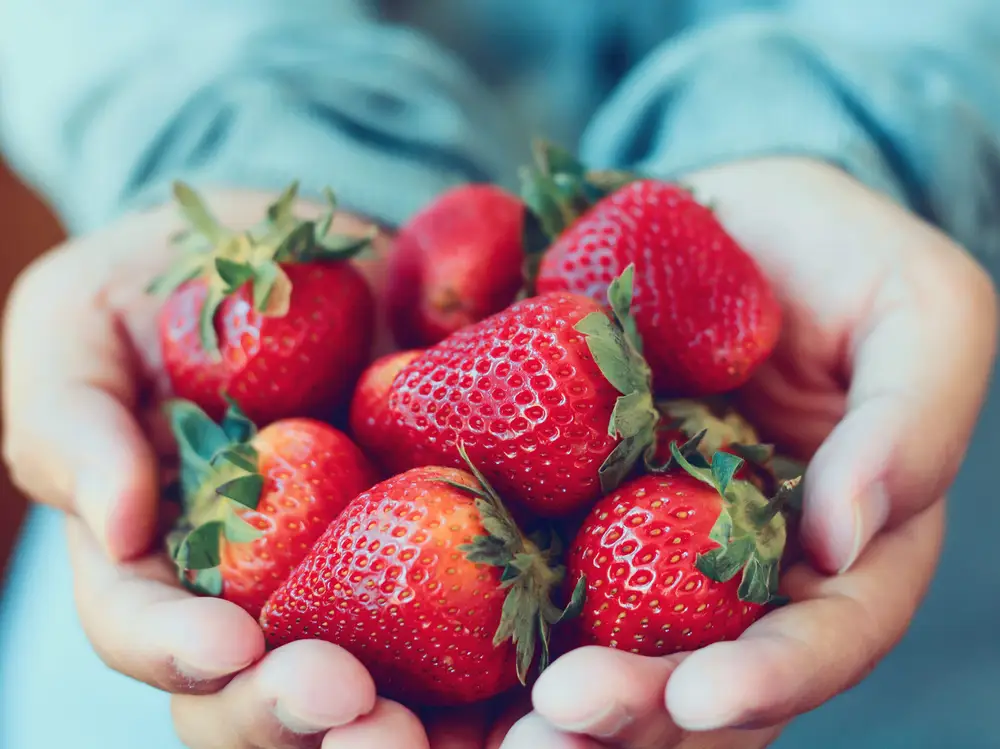
Strawberries, spinach, and leafy greens once again topped a list of produce tainted by pesticides, according to an analysis from the Environmental Working Group.
Kwangmoozaa/Getty Images


The Dirty Dozen includes the 12 fruits and vegetables that retain the most pesticide contamination, even after they’re washed and peeled as consumers would prepare them. Updated every year as part of EWG’s Shopper’s Guide, which is based on tests by the USDA and the FDA. Almost 70% of the non-organic produce tested had detectable pesticide residue, usually at levels that fell within the legal limits in the US.
However, just because pesticides are legal does not mean that they are safe. More than a quarter of pesticide use in the US has been linked to chemicals that are illegal in Europe, according to a 2019 study. Those chemicals have been banned due to probable or proven health risks. Because the testers wash and prepare the produce samples before scanning for pesticides, these fruits and vegetables require more than an extra rinse to be rid of toxins. Strawberries and greens topped the Dirty Dozen again. The USDA and FDA do not repeat tests of produce every year, so not much has changed since last year’s Shopper’s Guide was published. For the seventh year in a row, strawberries were found to have the most pesticide contamination of any fruit or vegetable tested. Spinach came in second, followed by kale, collard greens, and mustard greens in third. The rest of the Dirty Dozen includes nectarines, apples, grapes, peppers (bell and hot), cherries, peaches, pears, celery, and tomatoes. The Peppers moved up a couple spots on the list, but aside from that, the standings are the same as last year. Whenever possible, the EWG recommends that people buy organic versions of Dirty Dozen produce, analyst Sydney Swanson said in a press release. Organic farming practices ban the use of most synthetic pesticides, so organic produce is less likely to be contaminated with known toxins. However, not everyone can afford organic produce or have an environmentally-conscious market nearby. If you can’t afford to buy cleaner versions of the Dirty Dozen, EWG experts say that the Clean Fifteen might be a better choice. Avocados, sweetcorn, and pineapple ruled the Clean Fifteen. The Clean Fifteen fruits and vegetables were found to have the lowest levels of pesticide residue of the bunch, with nearly 70 percent of the samples from the list found to be completely pesticide-free. The list includes avocados, sweet corn, and pineapple as the top three “cleanest” fruits and vegetables. Onions, papaya, and frozen sweet peas were next, followed by asparagus, honeydew melon, kiwi, and cabbage. Mushrooms, cantaloupe, mangoes, watermelon, and sweet potatoes also made the list of the least pesticide-contaminated produce. Since last year’s list, the EWG removed broccoli, cauliflower, and eggplant from the Clean Fifteen — not because of new contaminants, but because they hadn’t been tested in six or more years.
Can you believe that millions of deaths may be tied to not eating enough fruits and vegetables?

apples
© andy0man

New research finds that inadequate intake produce may make up for 2.8 million deaths annually.

I will now put on my mother hat and tell you this: Eat your fruits and vegetables.

Here’s why. A new study finds that inadequate intake of produce may make up for 2.8 million deaths, globally, from heart condition and strokes annually. The researchers concluded that low fruit intake resulted in 1.8 million cardiovascular deaths in twenty ten. I believe that not eating enough vegetables resulted in 2 million deaths.” Fruits and vegetables certainly are a modifiable factor of diet that can impact preventable deaths globally,” said lead study author Victoria Miller, a postdoctoral researcher along at the Friedman School of Nutrition Science and Policy at Tufts University. “Our findings indicate the call for population-based efforts to increase fruit and vegetable consumption through the entire world.”

The researchers used data from 2010 and found:

  • Suboptimal fruit consumption generated in nearly 1.3 million deaths from stroke and even more than 520,000 deaths from the disease of the coronary artery.
  • Suboptimal vegetable consumption brought about around 200,000 deaths from stroke and more than 800,000 deaths from the condition of the coronary artery.

For the study, the researchers used dietary guidelines and studies of cardiovascular risk factors to come up with a fruit and vegetable standards, they defined:

Optimal fruit intake: 300 grams per day, equivalent to roughly two small apples. 
Optimal intake of vegetables: Including legumes, 400 grams per day, equivalent to about three cups of raw carrots.

The data they used came from 113 countries, comprising around 82 percent of the world’s population.

Countries in South Asia, East Asia and Sub-Saharan Africa had low fruit intake and high rates of associated stroke deaths. Countries in Central Asia and Oceania had low vegetable intake and high rates of associated coronary heart disease.

The maps below show the percentage of cardiovascular deaths (CVD) attributable to suboptimal vegetable and fruit intake in countries around the world.

fruit map

Global Dietary Database 2010/Friedman School of Nutrition Science & Policy at Tufts University/CC BY 4.0

vegetable map

Global Dietary Database 2010/Friedman School of Nutrition Science & Policy at Tufts University/CC BY 4.0

Perhaps the United States, with all of our relative abundance and free natural resources, did not fare that well. Inside the U.S., avoiding food enough vegetables defined 82,000 cardiovascular deaths while suboptimal fruit was linked to 57,000 deaths regarding the year.

Reference

Millions of deaths tied to not eating enough fruits and vegetables.https://www.treehugger.com/health/millions-cardiovascular-deaths-attributed-not-eating-enough-fruits-and-vegetables.html

Excellent 5 things you need to cut out of your diet in order to reduce high blood pressure and lower the risk of heart failure

You may be everything you do not consume.

A diet that can help people reduce high blood pressure or hypertension might also lessen the chance of heart failure in people underneath the chronological age of 75, based on research published into the latest version of the United States Journal of Preventive Medicine, and led by doctors at Wake Forest School of Medicine, which will be section of Wake Forest Baptist Health in Winston-Salem, N.C.

Photo by Valeria Boltneva on Pexels.com

‘Only a couple of previous research reports have examined the consequences for the Dash diet in the incidence of heart failure, and they have got yielded conflicting results.’— Claudia Campos, Wake Forest Class of Medicine

An observational study greater than 4,500 people over 13 years revealed that those people under 75 whom most closely adhered towards the Dash diet had a considerably lower danger of developing heart failure compared to those who were least likely to stick to the tenets associated with the diet. (Dash means for Dietary ways to Stop Hypertension.)

“Only a couple of previous research reports have examined the results regarding the Dash diet in the incidence of heart failure, and they have got yielded conflicting outcomes,” said Claudia Campos, associate teacher of essential interior medicine at Wake Forest School of Medicine. “Following the Dash diet can lessen the possibility of developing heart failure by almost half.”

The study recommends cutting five things from the diet: This Dash diet recommends fruits, veggies, nuts, whole grain products, poultry, fish and low-fat dairy food while reducing the use of three main components: salt, red meat, sweets, and sugar-sweetened beverages. It is very just like the Mediterranean diet. Nevertheless, the Dash diet recommends reducing two more things: full cream (and only low-fat milk products) and alcohol consumption.

There are various other approaches to eat healthiest too. Those who eat gradually are less inclined to become overweight or develop a metabolic problem, a group of cardiovascular illnesses, diabetic issues and stroke danger factors, following research presented during the American Heart Association’s Scientific Sessions 2017. They might be more aware of what they are eating and drinking and tend to be less prone to overeating.

The Dash diet is quite like the Mediterranean diet, but, unlike that diet, it advises low-fat milk products and excluding alcohol consumption.

Dietitians also advise against snacking and takeouts. Men and women have less control over what gets into their dishes when they order in. Americans get a majority of their daily sodium — more than 75% — from processed food and restaurant food, in line with the Centers for Infection Control and Prevention. Individuals eat, on average, 200 calories more per meal if they eat food from restaurants.

“Excess salt can boost your blood pressure levels as well as your risk for cardiovascular disease and stroke,” the Centers for Infection Control and Prevention states. “Together, cardiovascular illnesses and stroke kill more Americans each year than just about any other cause.” Americans get 71% of the day-to-day sodium from processed and restaurant meals. Cooking on your own could be the best and healthiest option.

Artificially sweetened beverages could be associated with a heightened risk of stroke and dementia, following the American Heart Association’s peer-reviewed journal Stroke. Another 2015 study unearthed that older ladies who consume several diet carbonated drinks per day are 30% prone to suffer a cardiovascular occasion. Include that to more research suggesting regular soft drink is related to obesity.

Reference
5 things to cut out of your diet right now to reduce high …. https://www.marketwatch.com/story/these-simple-but-critical-changes-to-your-diet-can-help-reduce-high-blood-pressure-and-lower-risk-of-heart-failure-2019-05-14

Frozen fruits and vegetables may be more healthy

A person is probably mindful that they should try to consume as many fresh fruits and vegetables as one can for good overall health. However, going frozen implies one can appreciate ones favorite berry or peaches throughout winter months. It additionally means less spoiling, allowing one to appreciate produce when it is close to its nutritional best — which is, whenever one choose to eat it. In reality, research has presented that frozen fruits and vegetables could have just as many nutrients — and occasionally more — as contrasted to fresh.

Reference

Why frozen fruit and veggies may be better for you than …. https://spotonidaho.com/id-falls-region/78285/why-frozen-fruit-and-veggies-may-be-better.html

Here are 9 hydrating foods that may be tastier than water

Maybe it’s the frosty glass of rosé prior to you, or the bathroom line snaking across the bar, but sometimes whenever you’re out, drinking tap water may seem like the very last thing for you to do — while you know hydrating could be the one surefire action you can take to avoid a hangover. However, there is another way it is possible to replenish the fluids without drinking plain water: eat some hydrating foods.

Photo by rawpixel.com on Pexels.com

Plenty of delicious summertime foods happen to hold lots of water, too. “Natural foods — such as veggies and fruits — are made of much water, that will be one of many amazing benefits of adding them into the diet. To be clear, individuals have kept drinking water so that you can stay hydrated. However, these forms of foods will give one “an additional boost of hydration during the day. So, whether one is intending a cookout or wish to bring a wholesome snack to the summer kickball league, listed here are hydrating foods to include in one’s spread:

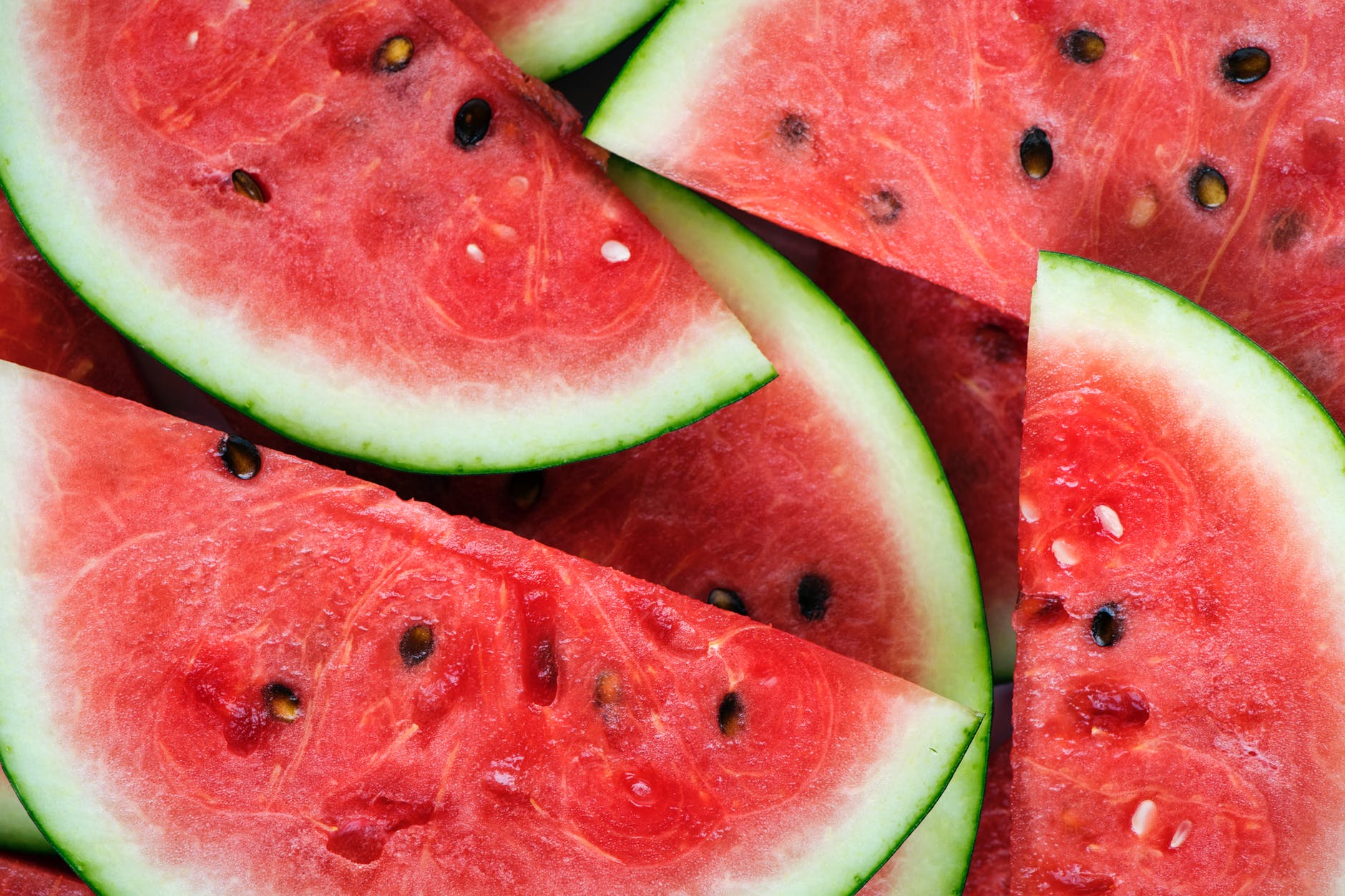
Watermelon
Water is literally when one looks at the name associated with the fruit, so it is not shocking that watermelon is constructed of 92% water, Bailey says. In addition to that, watermelon is an excellent supply of potassium, an important electrolyte that will help keep one hydrated.
Cantaloupe
Although cantaloupe is 90% water, it does not mean it is with a lack of nutrients. A quarter-melon serving of cantaloupe contains vitamin A and vitamin C.
Cucumbers
Pair sliced cucumbers with yogurt dip to score extra credit within the hydration department. Yogurt is full of water and has now a hefty serving of potassium. So when anybody who bites into a crunchy cucumber knows, cukes are about 96% water.
Pineapple
Fresh pineapple is another water-logged, vitamin-rich fruit to chop up and serve. However, boozy piña colada drinks, on the other side hand, can be very dehydrating — sorry.
Strawberries
Juicy strawberries are made up of greater than 90% water. A serving of eight strawberries also includes 5% of the recommended Daily Value of potassium. Moreover, hey, one might even get wild and put strawberries in the water for double hydration.
Celery
If one avoided the celery juice craze, that is understandable, but try not to write from the full-stalk type of the vegetable. Celery packs a large number of antioxidants, some vitamins (A, C, B, K, and folate), minerals, fiber, plus potassium and sodium.
Bell Peppers
Throw some bell peppers in an iceberg lettuce salad, and also individuals have got a hydrating side. Sliced bell peppers may also be the perfect vehicle for dipping, Bailey adds.
Radishes Radishes have a reputation for being annoying, but they contain a bit of potassium and sodium, plus lots of water.
Tomatoes
Be it a brand new mozzarella and tomato salad, or a can of tomato juice in the airplane, tomatoes are an excellent way to obtain hydration. Tomatoes are also a high supply of lycopene, that is an antioxidant which could protect against certain cancers.

Reference Best Food With High Water Count For Summer Hydration. https://www.refinery29.com/en-gb/hydrating-foods-high-water-content