Tag Archives: Type 2 diabetes

Is Your Night Owl Lifestyle Putting You at Risk for Type 2 Diabetes?

Night owls, beware! If you feel groggy in the morning but perky in the evening, you might identify as a night owl, inclined to stay up late and sleep in. While this sleep pattern may seem harmless, a recent study has uncovered a concerning connection between being a night owl and an increased risk of developing type 2 diabetes and several unhealthy lifestyle habits.

Photo by cottonbro studio on Pexels.com

Lead author Sina Kianersi, a postdoctoral research fellow at Brigham and Women’s Hospital and Harvard Medical School in Boston, explains, “When we looked at the relationship between chronotype and diabetes, we found night owls had a 72% increased risk of developing diabetes over the eight years of our study.”

Even more alarming is that night owls exhibit various unhealthy behaviors that contribute to chronic diseases like type 2 diabetes. They were more likely to have a poor diet, be less physically active, consume higher quantities of alcohol, maintain an unhealthy BMI (body mass index), smoke, and either sleep less or more than the recommended seven to nine hours per night.

Even when the study accounted for these unhealthy habits, night owls still faced a 19% increased risk of developing type 2 diabetes compared to early birds. This suggests that genetic factors or other unaccounted variables also play a role.

Dr. Bhanu Prakash Kolla, a sleep medicine specialist at the Mayo Clinic, emphasizes the importance of awareness for evening-oriented individuals. He suggests moderating alcohol use, quitting smoking, increasing physical activity, getting adequate sleep, and managing other risks as best as possible.

Our internal body clocks, or circadian rhythms, control our sleep patterns, which are subject to genetic and environmental influences. Early birds have circadian rhythms that promote early mornings, while night owls have rhythms that delay peak activity until the afternoon or evening. When these rhythms are disrupted, it can lead to a domino effect of adverse health consequences, including an increased risk of diabetes and cardiovascular disease.

Studies have consistently shown that early birds perform better in school, are more active throughout the day, and have a lower risk of cardiovascular disease. In contrast, night owls tend to develop unhealthy habits that can lead to early mortality.

The study, which followed nearly 64,000 nurses over eight years, found that the association between being a night owl and developing type 2 diabetes was more significant for those who worked during the day than for night owls who had later work hours or worked overnight shifts. This suggests that personalized work scheduling could help mitigate some of the risks of being a night owl.

While genetics may play a role in one’s chronotype, maintaining a healthy lifestyle remains crucial. Night owls can reduce their risk of developing type 2 diabetes and other chronic illnesses by adopting a healthier way of living. So, consider this a wake-up call for all the night owls to prioritize their health and well-being.

Genetic, environmental, and lifestyle factors affect being a night owl or having a preference for staying up late and sleeping in. While the exact genetic factors contributing to night owl behavior are still being studied, here are some insights into the genetic aspects that may play a role:

  1. Clock Genes: Clock genes are one of the critical genetic factors in regulating our sleep-wake patterns. These genes control our circadian rhythms, the internal body clock determining when we feel alert and sleepy. The PERIOD genes (PER1, PER2, and PER3) and the CLOCK gene are examples of genes that influence circadian rhythms. Variations in these genes can lead to differences in the timing of sleep.
  2. Melatonin Receptors: Melatonin is a hormone that plays a crucial role in regulating sleep. The genes responsible for coding melatonin receptors, such as MTNR1A and MTNR1B, can impact how individuals respond to melatonin production, which varies throughout the day. Genetic variations in these receptors can affect an individual’s sleep-wake preferences.
  3. DEC2 Gene: Some studies have identified the DEC2 gene as a potential contributor to being a night owl. This gene is associated with short sleep patterns and is linked to people who can function well with fewer hours of sleep.
  4. PER3 Gene: The PER3 gene regulates the circadian rhythm’s sensitivity to light. Variations in this gene can affect how individuals respond to light cues and influence their sleep patterns.
  5. RORA Gene: The RORA gene regulates sleep duration and timing. Variations in this gene have been linked to differences in circadian rhythms and sleep preferences.
  6. Genetic Variability: It is essential to note that multiple genetic variations can contribute to being a night owl. These genetic factors can interact with each other and with environmental influences, making it a complex trait influenced by both nature and nurture.

While genetics plays a role, it is essential to recognize that environmental factors, such as work schedules, lifestyle choices, and exposure to light, can also significantly impact an individual’s sleep-wake patterns. Genetic predispositions do not determine behavior definitively but can make specific sleep patterns more likely.

Research in this field is ongoing, and our understanding of the genetic basis of night owl behavior continues to evolve as more studies are conducted.

Cite Works:

Okeefe, Christine. “From early birds to night owls: a review of chronobiology.” (2023).

Zhou, Ke, Marios Constantinides, Daniele Quercia, and Sanja Šćepanović. “How Circadian Rhythms Extracted From Social Media Relate to Physical Activity and Sleep.” In Proceedings of the International AAAI Conference on Web and Social Media, vol. 17, pp. 948-959. 2023.

Schilling, Ray. “Lung Cancer Screening Program.” Lung Cancer (2023).

Migliaccio, Gian Mario. The Science of Deep Sleep, Towards Success: Unleashing energies in Sports and Life thanks to quality sleep. Sport Science Lab srl, 2023.

Could Wine Consumption with Dinner Reduce the Risk of Type 2 Diabetes?

Consumption of alcohol in moderation may have some health benefits, including improvements in glucose metabolism.

Алик Фатхутдинов / Getty Images

A study published in October 2015 discovered that moderate wine consumption significantly reduced cardiometabolic risk in people with type 2 diabetes. For more than a decade, the study followed 312,388 healthy current drinkers who did not have type 2 diabetes. Consuming wine with dinner was associated with a 14% lower risk of type 2 diabetes when compared to drinking alcohol alone. Wine’s flavonoids and other antioxidants (ethanol can act as an antioxidant) can help protect the heart and blood vessels from alcohol’s damaging effects.

Due to the majority of participants being white, it is unknown whether the findings are applicable to other populations. Alcohol consumption is associated with both short- and long-term health risks, including motor vehicle accidents, violence, sexual risk behaviors, high blood pressure, obesity, stroke, breast cancer, liver disease, depression, suicide, and alcohol abuse. The more a person drinks, the greater the risk to his or her health. The risk of developing certain cancers and other health problems increases even at very low levels of alcohol consumption — less than one drink daily — for some cancers and other health problems. According to the CDC, moderate alcohol consumption can increase your risk of developing type 2 diabetes.

For women, “moderate” drinking is defined as one glass of wine or other alcoholic beverage per day; for men, it is defined as up to two glasses per day. A standard drink in the United States contains 0.6 ounces (oz) or 1.2 tablespoons of pure alcohol. That is the typical amount found in a 12-ounce beer with a 5% alcohol content.

Reference

Drinking Wine With Dinner May Reduce the Risk for Developing Type 2 Diabetes. https://www.everydayhealth.com/type-2-diabetes/drinking-wine-with-dinner-may-reduce-the-risk-for-developing-type-2-diabetes/?fbclid=IwAR1vhW1NY0gNHUYhZR8_n-HQy0HklRtRh6PETI7KQkqwAyQP0sy4maIstmw

A significant effect on the risk of type 1 diabetes

European vitamin D deficiency has limited effects on the likelihood of type 1 diabetes. Type 1 diabetes is an inflammatory disorder in which the body’s capacity to metabolize glucose is compromised. Worldwide, the incidence of this disease under the age of 14 is projected to increase by 3% per year. There are no drugs proven to be able to help prevent type 1 diabetes. According to the American Diabetes Foundation, over 1.6 million Americans have diabetes.

There does not seem to be a significant impact of vitamin D on type 1 diabetes, although smaller effects can occur. Even though it cannot be ruled out that decreased amounts of lifelong calcitriol, an active source of vitamin D, could be correlated with the condition, the study’s results left open the possibility. The researchers state, “they” before more data from major randomized control trials suggest that vitamin D supplementation cannot be used as a preventative measure.

References

Low Vitamin D Levels In Europeans Does Not Raise Risk Of …. https://www.forbes.com/sites/anuradhavaranasi/2021/02/28/low-vitamin-d-levels-in-europeans-does-not-raise-risk-of-type-1-diabetes-study-shows/

Vitamin D levels and risk of type 1 diabetes: A Mendelian …. https://journals.plos.org/plosmedicine/article?id=10.1371/journal.pmed.1003536

Type 2 diabetes can be cured

Shao Changchun, a traditional Chinese medicine practitioner, claims that type 2 diabetes can be cured and healed by the patient. He claims about half of the 130,000 people he has shown were relieved of diabetes. Photo: Simon SongShao Changchun, a traditional Chinese medicine practitioner, claims that type 2 diabetes can be cured and treated by the patient. He claims about half of the 130,000 people he has seen have been cured of diabetes.

Shao Changchun, a traditional Chinese medicine practitioner, claims that type 2 diabetes can be cured and healed by the patient. He claims about half of the 130,000 people he has seen have been cured of diabetes.

Western medicine sees diabetes as an incurable condition requiring lifetime insulin infusion and other drugs to keep it under control.

Chief of Beijing Changchun TCM Hospital in Beijing, founded three years ago to specialize in treating type 2.

Reference
World Diabetes Day 2020: traditional Chinese medicine can cure Type 2 diabetes, not just control it, doctor heading Beijing hospital says. https://www.scmp.com/lifestyle/health-wellness/article/3109687/world-diabetes-day-traditional-chinese-medicine-can-cure

Were you aware that diabetes tied to increased chance of hidden spinal fractures?

Individuals with adult-onset diabetes are more likely than others to formulate spinal fractures that often have no obvious symptoms yet are tied to increased risk of future broken bones, an exploration review suggests.

Photo by PhotoMIX Ltd. on Pexels.com

The analysis focused on so-called vertebral fractures, otherwise known as fractures of a compression nature, that happen when bones within the spine weaken and crumple, often inside the lower back. These fractures might be attributable to injuries or by osteoporosis and may have few symptoms, and they will definitely lead to problems like severe chronic pain or reduced height.

This study included data from 15 prior studies by using a total of 852,702 ladies and men. Overall, people with type 2 diabetes were 35 percent more likely than those without using the disease to acquire vertebral fractures, the analysis found.

Author Resource Box:
https://www.msn.com/en-us/health/health-news/diabetes-tied-to-increased-risk-of-hidden-spinal-fractures/ar-BBWLH9U?ocid=spartanntp

Could taking a D supplement slow diabetes progression?

New Canadian research has found that having a D supplement could help slow down the progression of type 2 diabetes with those who’ve been recently diagnosed with the condition, or those who show signs of prediabetes.

Led by researchers at the Université Laval in Quebec, the brand new small-scale study looked at 96 participants who were either newly clinically recognized as having type 2 diabetes or at high risk of developing the condition, a disorder generally known as prediabetes, that can be identified by several risk factors such as obesity or perhaps a family history of the disease.

Less participants were arbitrarily assigned to receive a high dose of vitamin D3 (5000 iu, which happens to be approximately about 10 times the recommended dose) once daily for six months, while the better half were assigned to receive a daily placebo. The scientists measured markers of insulin function and glucose metabolism before and once the six months.

The findings, published in the European Journal of Endocrinology, revealed that vitamin D levels were substantially higher within the group who had taken a complement in comparison with those who had taken the placebo. In addition, taking vitamin D supplements appeared to significantly improve the action of insulin within the muscle tissue of participants after 6 months.

Preceding Research has suggested that low d levels really are a risk factor for developing diabetes type 2. However, research studiesinvestigating whether vitamin D supplementation can change metabolic function have produced inconsistent outcomes. The scientists say this could be due to a low number of study participants, or because participants with normal vitamin D levels at the start were metabolically healthy or had been existing with diabetes type 2 for a long period of time.

Study researcher Dr. Claudia Gagnon commented, “The reason we saw improvements in glucose metabolism following d supplementation with those at higher risk of diabetes, or with newly diagnosed diabetes, while other studies didn’t demonstrate an impact in people with long-standing diabetes type 2 is unclear. This could be mainly because that improvements in metabolic function are harder to detect in those with longer-term disease or that the longer treatment time is needed to see the benefits.”

She recommends further studies to enquire how different people reply to d supplementation and if the constructive effect on metabolism present in this study can be maintained in the longer term.

“Diabetes type 2 and prediabetes really are a growing public health concern and although our results are promising, further studies will be needed to confirm our findings, to identify whether some individuals may benefit more out of this intervention, and to evaluate the safety of high-dose vitamin D supplementation again and again. In the meantime I would recommend that current vitamin D supplementation recommendations be followed,” said Gagnon.

Author Resource Box:
https://news.yahoo.com/could-taking-vitamin-d-supplement-slow-diabetes-progression-100704551.html

Would you like to know what increasing or decreasing meat does to you over time?

A review of more than 80,000 patients over eight years suggests things to one’s chance of premature death when changing meat consumption. Most of us are aware that eating pork is not very good to fit your needs. Think A higher likelihood of adult-onset diabetes, heart problems, some kinds of cancer, and premature mortality. Moreover, adding in processed white meat like bacon, hot dogs, and sausages get you much more: Increased risk for chronic obstructive pulmonary disease, heart attack, and hypertension.

Photo by Matheus Gomes on Pexels.com

Thus it sounds right that increasing or decreasing one’s meat consumption is sure to have a visible impact eventually, the specifics of which are precisely such a team of researchers due to the States and China set out to determine. The twist this is that they can be desired to figure out the risks not tied to initial white meat intake, and specifically, the risk of mortality.
When it comes to the research, the entire team members used data from 53,553 female nurses, ages 30 to 55, beginning with the famous cohort study, the Nurses’ Health Study (NHS), as well as from 27,916 male health professionals, aged 40 to 75, that are caused by the Physicians Follow-up Study (HPFS). All were devoid of heart disease and cancer at the beginning of a given study.

They measured increases or decreases of red meat intake for eight years, and then tracked health wellness and death data for eight years afterward. Exactly what found would likely surprise just about nobody. The study causes that: In two large prospective cohorts of ourselves women and men, we came to see a rise in white meat consumption over eight years was directly connected with risk of death during the course of the subsequent eight years and started independent of initial white meat intake and concurrent changes in lifestyle factors. This association with mortality was observed with increased consumption of processed and unprocessed meat but was stronger for processed meat.

Equally unsurprising, also due to the study: A decrease altogether beef consumption and a simultaneous increase in the use of nuts, fish, poultry without skin, dairy, eggs, whole grains, or vegetables over eight years was associated with far less danger of death in the subsequent eight years.
They say which the research suggests the fact that a change in protein source or maintaining a healthy diet natural foods such as vegetables or wholesome grains can undergo significant change longevity. Moreover, such findings were also relevant in shortcut (for a period of four years) and longer run (12 years) studies they did too.

How a large part of an associated impact did they find? After adjusting for age together with other potentially influential factors: Increasing total white meat intake (both processed and unprocessed) by 3.5 servings a week or even more over eight years was associated with a 10 percent greater risk of death within the next eight years.

Increasing processed white meat intake, such as bacon, hot dogs, sausages and salami, by 3.5 servings one week or more was associated with a 13 percent upper chances of death.

They found that the associations were consistent across different age brackets, methods of physical activity, dietary quality, smoking, and alcohol habits.

Meanwhile, they found that: Swapping out one serving each day of beef, for example, serving of fish per day over eight years was linked with a 17 percent lower risk of death inside the subsequent eight years. Which seems pretty significant to me. Now granted, it was an observational study, and in consequence, the cause could not be explicitly established; also, as the authors note, then the members of those two cohorts were mainly white registered doctors, so the findings are probably not more widely applicable. However, the comprehensive data incorporates a vast swath of individuals during an extended period, with many assessments of diet and lifestyle factors, with similar results between the cohorts.

Given all of the prior evidence linking the consumption of white meat to poor health, it seems sensible that increasing one’s intake would be connected with a heightened likelihood of mortality. The findings provide “a functional message to the general public of precisely how dynamic changes in red meat consumption is associated with health,” they conclude. “Changing protein source or maintaining a healthy diet natural foods such as vegetables or wholesome grains can change longevity.”

Reference
What increasing or decreasing meat does to you over time …. https://www.treehugger.com/health/what-increasing-or-decreasing-red-meat-does-your-risk-death.html

Do you know how much fruit and vegetables you should be eating every day?

In line with the CDC, in 2015 only 12 percent of Americans met the suggestions for consuming fruit, and only nine percent consumed enough vegetables – also though eating sufficient fruits & vegetables as an ingredient of a standard nutritious diet reduces the chance of numerous chronic conditions, including cardiovascular disease, diabetes, some cancers, and obesity.

Photo by rawpixel.com on Pexels.com

Therefore, only how much is enough?

The federal guidelines had previously been shown in a pyramid and guidelines had been described in servings, that could sometimes be complicated since one serving could mean, for instance, a complete piece of medium sized good fresh fruit or 1/2 glass of canned, fresh fruit or 3/4 glass of fruit juice. One practically needed a spreadsheet and a calculator to keep track.

Utilizing the newer introduction of the MyPlate graphic, it is a bit easier. The idea is usually to fill half of a person’s plate with fruits and vegetables; as well as the serving sizes have now been simplified to cups.

Daily fruit recommendation
Women 19 to 30 years old: 2 cups
Women 31+ years old: 1 ½ cups
Men 19 years old and up: 2 cups

Daily vegetable recommendation:
Women 19 to 30 years old: 2 ½ cups
Women 31 to 50 years old: 2 ½ cups
Women 51+ years old: 2 cups
Men 19 to 30 years old: 3 cups
Men 31 to 50 years old: 3 cups
Men 51+ years old: 2 ½ cups

What one cup means
Now here’s where it can get a little confusing again, because a cup isn’t always a cup.
FRUIT
Generally speaking, although not always, one cup of fruit or a ½ cup of dried fruit can be considered as 1 cup through the Fruit Group. Any fruit or 100 percent fruit juice counts (though remember that juice lacks the fiber of whole fruits). Here are a few other equivalents.

Photo by Trang Doan on Pexels.com

1 small apple (2¼” diameter) = 1 cup-equivalent
1 large banana (8-9″ long) = 1 cup-equivalent
½ cup of fruit cocktail = ½ cup-equivalent
½ medium grapefruit (4″ diameter) = ½ cup-equivalent
1 medium bunch of grapes (about 50 grapes) = 1½ cup-equivalents
1 medium mango = 1 cup-equivalent
1 small orange (approx. 2½” diameter) = ½ cup-equivalent
½ cup of 100% orange juice (4 fluid ounces) = ½ cup-equivalent
½ large peach (2¾” diameter) = ½ cup-equivalent
2 large plums (2½” diameter each) = 1 cup-equivalent
¼ cup of raisins = ½ cup-equivalent
VEGETABLES
Any vegetable or 100 percent vegetable juice counts; vegetables may be raw or cooked; fresh, frozen, canned, or dried/dehydrated; and may be whole, cut-up, or mashed. Within the vegetable group, there are sub-groups, of which you should strive to eat a mix of all: Dark-green vegetables; red and orange vegetables; starchy vegetables; beans and peas (which can also satisfy protein requirements), and other vegetables. The equivalents are often equal, but not always. Here is a list to give you a better idea.

½ cup of black beans (cooked) = ½ cup-equivalent
½ cup of broccoli = ½ cup-equivalent
1 cup of baby carrots = 1 cup-equivalent
½ cup of cauliflower = ½ cup-equivalent
½ cup of corn = ½ cup-equivalent
½ cup of green beans (cooked) = ½ cup-equivalent
½ cup of kidney beans (cooked) = ½ cup-equivalent
1 cup of iceberg lettuce = ½ cup-equivalent
1 cup of romaine lettuce = ½ cup-equivalent
½ cup of mushrooms = ½ cup-equivalent
2 slices of onion (raw) = ¼ cup-equivalent
½ cup of pinto beans (cooked) = ½ cup-equivalent
1 medium baked or boiled potato (2½-3″ diameter) = 1 cup-equivalent
1 cup of baby spinach (raw) = ½ cup-equivalent
1 large baked sweet potato (2¼” diameter) = 1 cup-equivalent
½ cup of 100% tomato juice (4 fluid ounces) = ½ cup-equivalent
½ cup of tomatoes (raw) = ½ cup-equivalent
½ cup of zucchini = ½ cup-equivalent

Reference

Here is how much fruit and vegetables you should be eating …. https://www.treehugger.com/health/heres-how-much-produce-you-should-be-eating-every-day.html

It is interesting that Vitamin D supplement does not prevent type 2 diabetes in adults at high risk, study finds

Taking a daily vitamin D supplement will not prevent type 2 diabetes in adults at high risk, according to results from research funded by National Institute of Diabetes and Digestive and Kidney Diseases (NIDDK), an element of the National Institutes of Health. The Vitamin D and Type 2 Diabetes (D2d) study enrolled 2,423 adults and was conducted at 22 sites throughout the united states of America. These findings were published June 7 into the New England Journal of Medicine and presented during the 79th Scientific Sessions regarding the American Diabetes Association in San Francisco bay area.

2d may be the most extensive study to directly examine if daily vitamin D supplementation assists in maintaining people at high risk for type 2 diabetes from developing the illness. The analysis included adults aged 30 or older and assigned participants randomly to either take 4,000 International Units (IU) for the D3 (cholecalciferol) kind of vitamin D or a placebo pill daily. All study participants had their vitamin D levels measured at the beginning of the study. During those times, about 80% of participants had vitamin D levels considered sufficient by U.S. nutritional standards.

“Observational studies have reported an association between lower levels of vitamin D and increased risk for type 2 diabetes,” said Myrlene Staten, M.D., D2d project scientist at NIDDK. “Additionally, smaller studies discovered that vitamin D could improve the function of beta cells, which produce insulin. However, whether vitamin D supplementation might help prevent or delay type 2, diabetes had not been known.”

The analysis screened participants every three to half a year for an average of 2.5 years to ascertain if diabetes had developed. Researchers then compared how many people in all the two study groups which had progressed to type 2 diabetes. At the end of the analysis, 293 away from 1211 participants (24.2%) in the vitamin D group developed diabetes in comparison to 323 out of 1212 (26.7%) into the placebo group – a difference that failed to reach statistical significance. The study was made to detect a risk decrease by 25% or even more.

D2d enrolled a different number of participants with a variety of physical characteristics, including sex, age, and body mass index, as well as racial and ethnic diversity. This representation helps ensure that the analysis findings could be widely applicable to people at high risk for developing type 2 diabetes.

As well as the study’s size, certainly one of its major strengths could be the diversity of their participants, which enabled us to examine the effect of vitamin D across a sizable number of people. When the study ended, we found no meaningful difference between the two groups, no matter age, sex, race, or ethnicity.

Reference
NIH-funded trial finds vitamin D does not prevent type 2 …. https://www.nih.gov/news-events/news-releases/nih-funded-trial-finds-vitamin-d-does-not-prevent-type-2-diabetes-people-high-risk

Ultrasound may be the future of diabetes treatment

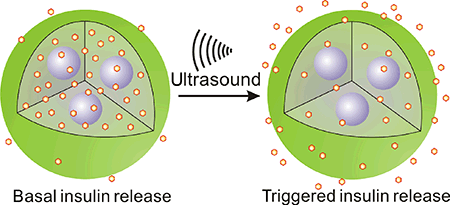
A new study in mice determines that targeted ultrasound may well be an operative, noninvasive, drug-free method to enhance insulin levels in persons with type 2 diabetes.

Related image

A new study asks whether ultrasound could be an effective treatment for diabetes.

According to the Centers for Disease Control and Prevention (CDC), type 2 diabetes now affects more than 100 million adults in the United States. It was the 7th foremost reason of fatality in the United States in 2015. In persons with diabetes, the pancreas generates too little insulin. For this purpose, over time, the body turns out to be less complex in a situation known as insulin resistance.

Beta cells are specialized cells in the pancreas that create, collect, and discharge insulin in reply to the occurrence of sugar in the blood. This amplified assembly aids to retain levels of glucose in the blood in the standard scope; too much sugar in the blood can harm tissues and body part.

Early on in the development of diabetes, beta cells can turn out to be overburdened, which causes insulin to assemble up inside. This accumulation can be terminal for the beta cell. If more insulin-producing beta cells decrease, diabetes is aggravated.

Specific drugs can aid the beta cells to discharge insulin, but these can be expensive and may possibly become less operative over time. For these causes, scientists are sharp to discover other methods of endorsing insulin release that does not include medications.