Tag Archives: PTSD

Understanding the Complex Relationship Between Depression and Cognitive Function

In a new study recently published in Psychiatry Research: Neuroimaging, researchers from Bartin University and Istanbul Medipol University in Turkey shed light on the intricate connection between depression and cognitive function, specifically visuospatial memory. This study shows that depression can affect more than just emotional symptoms. It can also affect cognitive abilities, possibly leading to changes in the brain’s structure and function, especially in the prefrontal cortex and deeper parts like the amygdala.
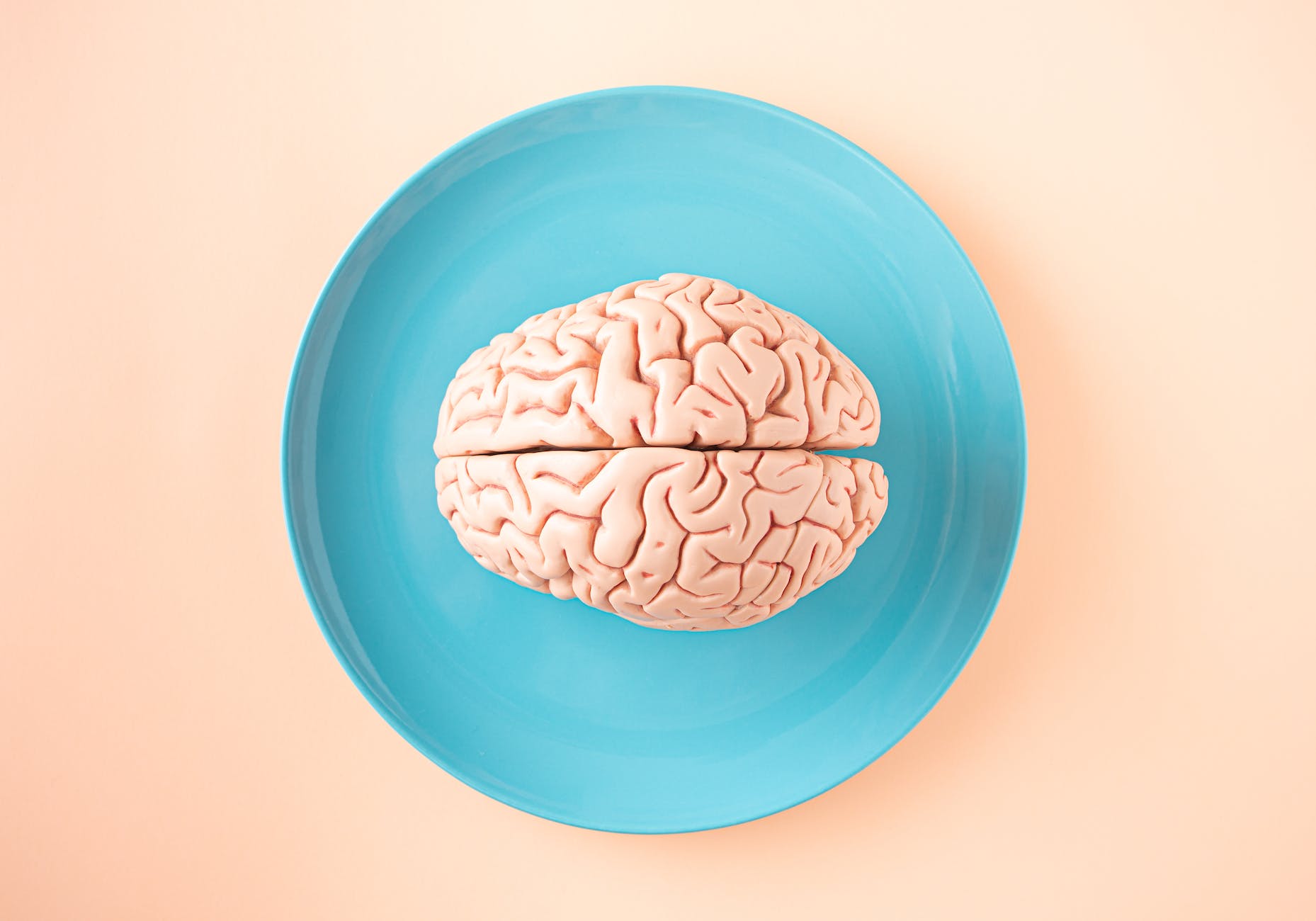
Photo by Amel Uzunovic on Pexels.com

Previous studies had mixed results on how depression affected cognitive abilities and brain activity during cognitive tasks. This is what motivated Ozge Vural Keleş and Erol Yıldırım to look into these problems more.

To explore the relationship between depression and visuospatial working memory, the researchers administered the Beck Depression Inventory (BDI) to 501 volunteer university students and graduates. The study included 23 individuals with high depression scores and 20 with low depression scores, with similar ages and education levels in both groups.

Participants engaged in a visuospatial 2-back working memory task, assessing their working memory performance. This task required remembering the location of visual stimuli (faces or words) within a circular display and determining if the current stimulus matched the one presented two steps back in the sequence (the “2-back” condition). Functional near-infrared spectroscopy (fNIRS) was used to record brain responses in the prefrontal cortex during the task.

Surprisingly, the results indicated no significant behavioral differences between the high and low BDI groups, suggesting that visuospatial memory abilities were similar in both groups. However, fNIRS showed that people with high BDI scores had more activity in the right dorsolateral prefrontal cortex while they were doing the task compared to people with low BDI scores. This suggests that the high BDI group exerted additional effort to achieve similar performance.

Although the study has some limitations, such as the lack of an official clinical diagnosis in the high BDI group and the relatively low task difficulty, it provides valuable insights into the relationship between depression and cognitive function. The findings highlight the complexities of depression’s impact on cognitive abilities and offer new avenues for future research in this field. Understanding these complexities is crucial for providing better support and interventions for individuals dealing with depression.

Cited Works:

Setionago, Bianca. “Depression Linked to Increased Frontal Brain Activity during Memory Tasks, Finds New Research.” PsyPost, October 20, 2023. https://www.psypost.org/2023/10/depression-linked-to-increased-frontal-brain-activity-during-memory-tasks-finds-new-research-214075?fbclid=IwAR2bAybaQYAO_cG9OAMNgA8DdauoLIdDzy8YJrdtDWk1dS6u8GurzZ4V-7o.


The new reboot for the miniseries “Roots” reminds us of the physical toll

The new reboot for the miniseries “Roots” reminds us of the physical toll that slavery has had on Black people. Slavery ended up being an exploitative system that built international capitalism through the theft, kidnapping, torture, and jail labor of #Africans.

Nevertheless, that procedure is and is still an intergenerational one, by which Black people have experienced psychic harm. The experiences for the dreaded servant ship dungeons for the Middle Passage–in which an incredible number of souls still sleep at the end for the Atlantic—the auction obstructs, the rapes, whippings and lynchings, the servant patrols, the backbreaking and life-ending labor at gunpoint, the separation of families all inflicted psychological harm in the victims and their descendants. Though their trauma ended up being profound, enslaved Black people had no psychological wellness practitioners open to them, no counselors to help them cope and heal. Moreover, the illness had been passed on to subsequent generations who, even today, haven’t gotten the procedure they therefore desperately need.

Black people have post-traumatic stress disorder or #PTSD, plus they might not even understand it. “PTSD signs typically consist of intrusive ideas concerning the trauma, avoidance of ideas or reminders for the trauma, anxiety, issues about security, constantly experiencing on guard, worries to be judged due to the trauma, and #depression. People might also have flashbacks and emotions of dissociation. Extremely serious PTSD can lead to psychosis, and PTSD could be temporarily or permanently disabling.

Signs particular to race-based #trauma in African-Americans can sometimes include avoidance of white people, worries and anxiety within the police force, paranoia and suspicion, and exorbitant concerns concerning the security of relatives and buddies.

Reference
Post-Traumatic Slave Syndrome and Intergenerational Trauma …. https://atlantablackstar.com/2016/06/05/post-traumatic-slave-syndrome-and-intergenerational-trauma-slavery-is-like-a-curse-passing-through-the-dna-of-black-people/

IS EMDR Therapy a good Solution for Men Who Won’t Talk About Mental Health?

EMDR was developed by psychologist Francine Shapiro in the late 1980s when she realized rapid eye movements alleviated her psychological distress. Even with decades of case studies perfecting and demonstrating the technique, EMDR struggled to be legitimized beyond a “pseudoscience,” mostly given that it did advisable that you be true. However, subsequent studies highlight several biases within the research debunking EMDR, and there is evidence that efficacy may be hindered by lack of proper training and skepticism of clinicians facilitating the session. Despite criticism, the efficacy of EMDR happens to be demonstrated by over 30 randomized clinical studies with PTSD remission rates which range from 77 to 100 percent, with regards to the type of trauma and number of sessions.

Photo by meo on Pexels.com

Traumatic experiences map towards the brain, training the amygdala and limbic system to react to memories as if these were immediate threats. Which means, once triggered, traumatized people lose usage of reason. This is the underlying dynamic of PTSD, which can be how post-traumatic stress disorder develops. For an individual with PTSD, it does not matter if they rationally realize that they are not being attacked because their amygdala is a primary executive function. They remain under constant neurological fire.

EMDR addresses psychological distress by dealing with the neurological sources of confusion, just how physical therapy treats sources of physical pain. More specifically, the technique uses bilateral stimulation, often within the form of rapid eye movements from straight to the left, to correct the brain’s processing system and quell the psychological effects of the trauma.

Picturing an unpleasant memory while engaging with bilateral stimulation happens to be found to reduce psychological arousal and anxiety enough that traumatized people can quickly recover access to coping mechanisms unavailable in their mind when in fight or flight mode. Therapists are not able to delete trauma. However, they can turn down the intensity of memories, so they are more manageable. Scientists suspect it is so successful given that it essentially combines exposure therapy with rapid eye movements associated with sleep. During REM sleep, mental performance eliminates unnecessary information, in a procedure known as reverse-learning, that might also assist in dampening intrusive thoughts.

“This analytical strategy can get rid of the stigma of weakness or hypersensitivity which is commonly related to psychotherapy,” psychotherapist Jessica Jefferson explains.