
Tag Archives: hypertension

Insomnia’s Toll On The Heart: Study Highlights Cardiovascular Event Risks

Introduction:
Insomnia, that relentless companion of sleepless nights, has long been associated with various health issues. However, a recent study published in PLoS ONE sheds light on a concerning link between insomnia and cardiovascular health. In this meta-analysis, researchers delve into the world of sleeplessness to evaluate its impact on cardiovascular events. Let’s explore the implications of this study and what it means for those grappling with insomnia.

Insomnia: A Common, Global Concern:
Insomnia isn’t just an occasional bout of poor sleep; it’s a widespread sleep disorder and ranks as the second most prevalent psychiatric disorder globally. People living with insomnia endure not only restless nights but also a heightened risk of various health problems, including cardiovascular disease.

Understanding the Risk Factors:
Before we dive into the study’s findings, let’s consider some of the factors that make insomnia a potential precursor to cardiovascular issues. Hypertension, metabolic disorders, and diabetes mellitus are known risk factors for both insomnia and cardiovascular disease. The interplay between these factors and their cumulative impact on health forms the backdrop for this investigation.

The Research Endeavor:
Given the limited research on how insomnia affects cardiovascular outcomes, a comprehensive meta-analysis was deemed necessary. Researchers embarked on a quest for real-world data, aiming to establish a clear connection between insomnia and cardiovascular events. The primary outcomes under scrutiny were myocardial infarction (heart attacks) and cardiovascular mortality. Secondary outcomes included all-cause deaths and the incidence of cardiovascular disease.

A Methodical Approach:
To build a robust dataset, the research team cast a wide net, scouring databases like PubMed/MEDLINE, Cochrane Library, and Google Scholar. Their search spanned until August 2022 and included studies that compared predefined cardiovascular outcomes among individuals grappling with insomnia. Importantly, only records related to adults, observational studies, and secondary evaluations of original research were included.

Not All Records Make the Cut:
The researchers meticulously screened records, excluding studies involving animals or children, along with case-control studies, case reports, and case series. They also rejected studies that lacked comparators or controls. This stringent selection process ensured that the analysis focused solely on insomnia and related symptoms, such as difficulties in sleep initiation, maintenance, early morning awakening, and non-restorative-type sleep.

Revealing the Link:
The analysis ultimately comprised 21 records, encompassing data from 388,906 individuals with insomnia and 2,194,211 disease-free individuals, with an average age of 59 years. The duration of follow-up ranged from three to 20 years. The study’s findings were both compelling and concerning.

Elevated Risks:
Individuals battling insomnia faced significantly greater risks of cardiovascular mortality and myocardial infarction. Alarmingly, the risks weren’t limited to these critical outcomes. All-cause death risks and the incidence of cardiovascular disease were also substantially higher among insomniacs. The risk ratios (RR values) for these adverse events were notably higher among individuals with insomnia.

Long-Term Implications:
Digging deeper into the data, the researchers observed that insomnia was linked to increased long-term risks. When analyzing follow-up periods of 10 to 20 years, they found that all-cause deaths were notably higher among individuals with insomnia. These trends were consistent with the overall results, underscoring the enduring impact of sleeplessness on cardiovascular health.

Reducing Heterogeneity:
In a sensitivity analysis, the researchers excluded studies that were underpowered or failed to account for confounding variables. This led to a reduction in heterogeneity within the dataset, further solidifying the study’s conclusions. Importantly, there was no evidence of publication bias, enhancing the credibility of the findings.

Exploring the Mechanisms:
The study didn’t stop at highlighting the risks but delved into potential mechanisms. The renin-angiotensinogen-aldosterone system, among others, was implicated in increasing mortality risk among insomniac patients. Psychological disorders like depression and anxiety, along with higher rates of self-harm and suicide, contributed to this association. The study also suggested that the hypothalamic-pituitary axis, abnormal changes in the autonomic nervous system, higher activity in the sympathetic nervous system, systemic inflammation, and atherosclerosis may be involved.

Implications for Clinical Practice:
The implications of this research are profound. It emphasizes the importance of evaluating cardiovascular risks in individuals with insomnia. Healthcare providers should adopt a comprehensive approach, considering not only sleep-related issues but also coexisting risks like coronary artery disease and smoking. Identifying and addressing insomnia early can be a crucial step in preventing cardiovascular events.

The Way Forward:
As we move forward, the study encourages further research. Adequately powered observational studies, meticulously controlled for confounding risk factors and sleep disorders, are needed. This deeper understanding can lead to improved treatments tailored to mitigate the cardiovascular risks associated with insomnia.

Conclusion:
This thorough meta-analysis has shown that the heart’s toll from insomnia is a stark reality. As we uncover the intricate links between sleeplessness and cardiovascular health, it becomes clear that addressing insomnia is necessary.

Cited Work

News-Medical.net. “Insomnia’s Toll on the Heart: Study Highlights Cardiovascular Event Risks,” September 26, 2023. https://www.news-medical.net/news/20230926/Insomnias-toll-on-the-heart-study-highlights-cardiovascular-event-risks.aspx?fbclid=IwAR3EnYxETlfcWF2ka4NXFUE5mV_CsVfW2ZnhkulGiuCjOXQB1LQpihKmrqw.
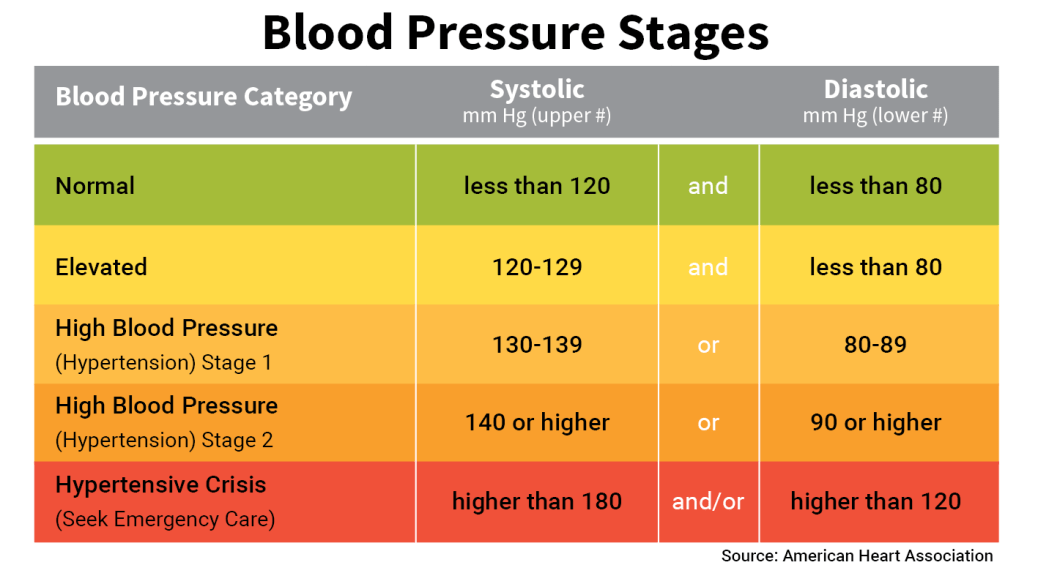
For healthy blood pressure,do you believe that both numbers matter?

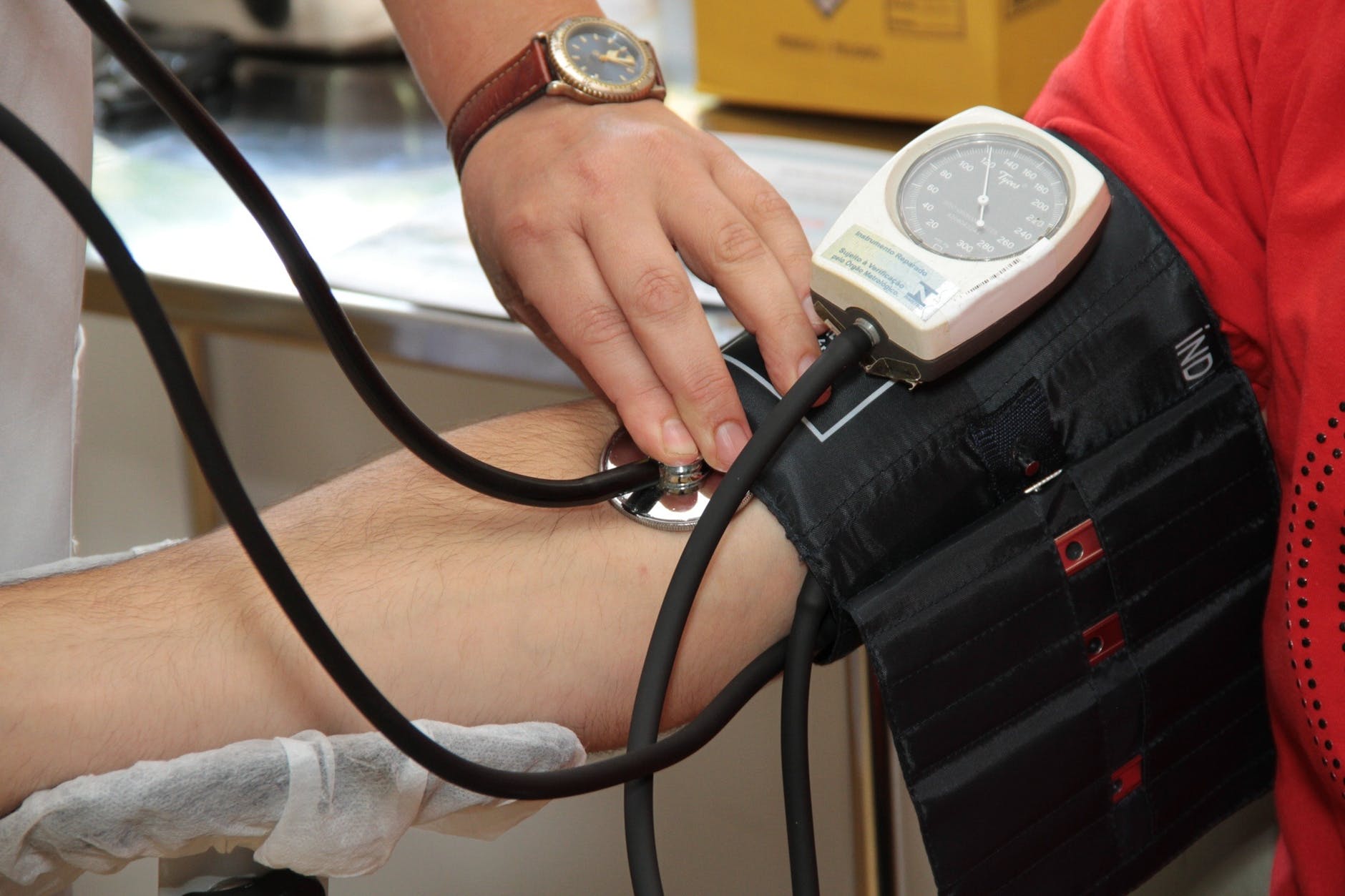
The bottom number in a blood pressure levels reading (the diastolic pressure) has sometimes played second fiddle to the top number (systolic) in clinical settings, but new research confirms that both numbers are very important in determining an individual’s heart disease risk.

Photo by Pixabay on Pexels.com

The study, from researchers at Kaiser Permanente in California, was published Wednesday when you look at the New England Journal of Medicine.

“Although systolic does count for a bit more in terms associated with threat of coronary attack and stroke, diastolic raised blood pressure is a detailed second, and it’s really a completely independent predictor of those risks,” said lead author Dr. Alexander Flint, a stroke specialist with Kaiser Permanente.

A top diastolic number “really really should not be ignored,” he added. “We should not declare victory simply because one number is under control. We must look closely at both.”

Systolic refers to the level of pressure in an individual’s arteries, once the heart squeezes and sends blood through the entire body. Diastolic is the pressure in the arteries between heart beats.

The research analyzed more than 36 million blood pressure readings from 1.3 million adults. All were people in Kaiser Permanente in Northern California. Most were white; just 7.5 percent were black.

Reference

For bloof pressure both numbers matter, https://www.nbcnews.com/health/heart-health/healthy-blood-pressure-both-numbers-matter-n1030851

Would you like to know what increasing or decreasing meat does to you over time?

A review of more than 80,000 patients over eight years suggests things to one’s chance of premature death when changing meat consumption. Most of us are aware that eating pork is not very good to fit your needs. Think A higher likelihood of adult-onset diabetes, heart problems, some kinds of cancer, and premature mortality. Moreover, adding in processed white meat like bacon, hot dogs, and sausages get you much more: Increased risk for chronic obstructive pulmonary disease, heart attack, and hypertension.

Photo by Matheus Gomes on Pexels.com

Thus it sounds right that increasing or decreasing one’s meat consumption is sure to have a visible impact eventually, the specifics of which are precisely such a team of researchers due to the States and China set out to determine. The twist this is that they can be desired to figure out the risks not tied to initial white meat intake, and specifically, the risk of mortality.
When it comes to the research, the entire team members used data from 53,553 female nurses, ages 30 to 55, beginning with the famous cohort study, the Nurses’ Health Study (NHS), as well as from 27,916 male health professionals, aged 40 to 75, that are caused by the Physicians Follow-up Study (HPFS). All were devoid of heart disease and cancer at the beginning of a given study.

They measured increases or decreases of red meat intake for eight years, and then tracked health wellness and death data for eight years afterward. Exactly what found would likely surprise just about nobody. The study causes that: In two large prospective cohorts of ourselves women and men, we came to see a rise in white meat consumption over eight years was directly connected with risk of death during the course of the subsequent eight years and started independent of initial white meat intake and concurrent changes in lifestyle factors. This association with mortality was observed with increased consumption of processed and unprocessed meat but was stronger for processed meat.

Equally unsurprising, also due to the study: A decrease altogether beef consumption and a simultaneous increase in the use of nuts, fish, poultry without skin, dairy, eggs, whole grains, or vegetables over eight years was associated with far less danger of death in the subsequent eight years.
They say which the research suggests the fact that a change in protein source or maintaining a healthy diet natural foods such as vegetables or wholesome grains can undergo significant change longevity. Moreover, such findings were also relevant in shortcut (for a period of four years) and longer run (12 years) studies they did too.

How a large part of an associated impact did they find? After adjusting for age together with other potentially influential factors: Increasing total white meat intake (both processed and unprocessed) by 3.5 servings a week or even more over eight years was associated with a 10 percent greater risk of death within the next eight years.

Increasing processed white meat intake, such as bacon, hot dogs, sausages and salami, by 3.5 servings one week or more was associated with a 13 percent upper chances of death.

They found that the associations were consistent across different age brackets, methods of physical activity, dietary quality, smoking, and alcohol habits.

Meanwhile, they found that: Swapping out one serving each day of beef, for example, serving of fish per day over eight years was linked with a 17 percent lower risk of death inside the subsequent eight years. Which seems pretty significant to me. Now granted, it was an observational study, and in consequence, the cause could not be explicitly established; also, as the authors note, then the members of those two cohorts were mainly white registered doctors, so the findings are probably not more widely applicable. However, the comprehensive data incorporates a vast swath of individuals during an extended period, with many assessments of diet and lifestyle factors, with similar results between the cohorts.

Given all of the prior evidence linking the consumption of white meat to poor health, it seems sensible that increasing one’s intake would be connected with a heightened likelihood of mortality. The findings provide “a functional message to the general public of precisely how dynamic changes in red meat consumption is associated with health,” they conclude. “Changing protein source or maintaining a healthy diet natural foods such as vegetables or wholesome grains can change longevity.”

Reference
What increasing or decreasing meat does to you over time …. https://www.treehugger.com/health/what-increasing-or-decreasing-red-meat-does-your-risk-death.html

Excellent 5 things you need to cut out of your diet in order to reduce high blood pressure and lower the risk of heart failure

You may be everything you do not consume.

A diet that can help people reduce high blood pressure or hypertension might also lessen the chance of heart failure in people underneath the chronological age of 75, based on research published into the latest version of the United States Journal of Preventive Medicine, and led by doctors at Wake Forest School of Medicine, which will be section of Wake Forest Baptist Health in Winston-Salem, N.C.

Photo by Valeria Boltneva on Pexels.com

‘Only a couple of previous research reports have examined the consequences for the Dash diet in the incidence of heart failure, and they have got yielded conflicting results.’— Claudia Campos, Wake Forest Class of Medicine

An observational study greater than 4,500 people over 13 years revealed that those people under 75 whom most closely adhered towards the Dash diet had a considerably lower danger of developing heart failure compared to those who were least likely to stick to the tenets associated with the diet. (Dash means for Dietary ways to Stop Hypertension.)

“Only a couple of previous research reports have examined the results regarding the Dash diet in the incidence of heart failure, and they have got yielded conflicting outcomes,” said Claudia Campos, associate teacher of essential interior medicine at Wake Forest School of Medicine. “Following the Dash diet can lessen the possibility of developing heart failure by almost half.”

The study recommends cutting five things from the diet: This Dash diet recommends fruits, veggies, nuts, whole grain products, poultry, fish and low-fat dairy food while reducing the use of three main components: salt, red meat, sweets, and sugar-sweetened beverages. It is very just like the Mediterranean diet. Nevertheless, the Dash diet recommends reducing two more things: full cream (and only low-fat milk products) and alcohol consumption.

There are various other approaches to eat healthiest too. Those who eat gradually are less inclined to become overweight or develop a metabolic problem, a group of cardiovascular illnesses, diabetic issues and stroke danger factors, following research presented during the American Heart Association’s Scientific Sessions 2017. They might be more aware of what they are eating and drinking and tend to be less prone to overeating.

The Dash diet is quite like the Mediterranean diet, but, unlike that diet, it advises low-fat milk products and excluding alcohol consumption.

Dietitians also advise against snacking and takeouts. Men and women have less control over what gets into their dishes when they order in. Americans get a majority of their daily sodium — more than 75% — from processed food and restaurant food, in line with the Centers for Infection Control and Prevention. Individuals eat, on average, 200 calories more per meal if they eat food from restaurants.

“Excess salt can boost your blood pressure levels as well as your risk for cardiovascular disease and stroke,” the Centers for Infection Control and Prevention states. “Together, cardiovascular illnesses and stroke kill more Americans each year than just about any other cause.” Americans get 71% of the day-to-day sodium from processed and restaurant meals. Cooking on your own could be the best and healthiest option.

Artificially sweetened beverages could be associated with a heightened risk of stroke and dementia, following the American Heart Association’s peer-reviewed journal Stroke. Another 2015 study unearthed that older ladies who consume several diet carbonated drinks per day are 30% prone to suffer a cardiovascular occasion. Include that to more research suggesting regular soft drink is related to obesity.

Reference
5 things to cut out of your diet right now to reduce high …. https://www.marketwatch.com/story/these-simple-but-critical-changes-to-your-diet-can-help-reduce-high-blood-pressure-and-lower-risk-of-heart-failure-2019-05-14

The Risk Of Work Tension Coupled with Problems Going to bed: Why It’s More severe Than You Believe


man in brown long sleeved button up shirt standing while using gray laptop computer on brown wooden table beside woman in gray long sleeved shirt sitting
Photo by rawpixel.com on Pexels.com

Experts discovered the fact that insufficient control over a chance to make and impact decisions at work highlighted and increased the negative effects of sleep deprivation and raised blood pressure on heart overall health.

Around a third of the functioning populace has hypertension. Preceding studies have likewise indicated that external causes and psychosocial elements have a additional extreme and undesirable impact on individuals with pre-existing coronary heart challenges in contrast to healthy people.

The research authors identified work stress as careers with high-pressure and little control of making final choice. The experts from the research made it important to check out the medical results in these persons because of the theory of undesirable and progressive health risks associated with losing control. The experts hypothesized those with excessive tension careers who also have the capability to make and impact policy or work-related decisions that may have an effect on them may attenuate the challenges of poor sleep and high blood pressure levels.

Simultaneously, it is essential that companies talk about methods to reduce place of work tension and offer workers with time and space to meditate or rest, specifically for individuals who have high blood pressure levels. The availability of “peaceful areas” or perhaps pods to rest certainly are a developing pattern which have worked out for many to get around the tensions of the day.

Yoga exercise, Tai chi, light walking, stretching out, along with high-intensity interval training workouts could possibly be only the increase you need to decrease workplace pressure, cause you to feel considerably better and even improve efficiency. Weight training, merging weights with aerobic fitness exercise, is proven to possess positive effects on enhancing cognitive and permanent brain function.

At last, dealing with approaches to increase sleep quality and length could help to lessen cardiac chances. A strategy referred to as stimulation control treatment method is a good idea, by training one to connect the bed or bedroom with sleeping along with setting a regular sleep-wake routine. An additional technique, “relaxation training” entails intensifying muscle relaxation, and concentrate on minimizing invasive insights at night time that interfere with rest. Powering the electronics down around Two hours prior to sleeping and staying away from blue light may also be helpful in increasing sleeping level of quality.