Tag Archives: cancer

Can the Ketogenic Diet Be a Breakthrough in Halting Neuroendocrine Tumor Progression?

Neuroendocrine tumors (NETs) have been on the rise in recent years, and among them, pancreatic neuroendocrine tumors (PanNETs) pose a significant health concern. However, a recent Cell Death and Disease study offers hope in the fight against these tumors. This groundbreaking research explores the effects of a ketogenic dietary intervention on the onset and progression of PanNETs, shedding light on a potential therapeutic approach.
Pancreatic Neuroendocrine Tumors: A Growing Concern
PanNETs, a subtype of NETs, are rare but have become increasingly prevalent. These tumors originate from pancreatic islet cells and can be functional or non-functional. While functional PanNETs produce hormones that lead to hormone syndromes, non-functional PanNETs, which comprise most cases, do not exhibit these characteristics.

The progression of PanNETs often involves the development of liver metastases, making them challenging to treat. Traditional treatments have shown limited success in shrinking these tumors, emphasizing the need for innovative interventions.

Understanding the Role of Insulin
The study draws attention to the role of insulin in PanNET development. Both human and mouse models have revealed a connection between elevated insulin levels and increased tumor growth. Conversely, reducing insulin levels has been associated with decreased tumor development.

Enter the Ketogenic Diet
The ketogenic diet, known for its low carbohydrate and high-fat composition, has gained recognition for its potential health benefits. In the context of cancer, previous research has suggested that a ketogenic diet can lower insulin levels without adverse effects.

In this study, researchers fed a ketogenic diet to mice with non-functional PanNETs using a Pancreatic β-cell-specific Men1 deficient mouse model. The results were promising.

Ketogenic Diet: A Game Changer
The findings demonstrated that a ketogenic diet could significantly suppress the onset and progression of non-functional PanNETs in the mouse model. What is more, this dietary intervention also had a positive impact on pituitary NET development in the mice.

The Implications for Human PanNET Patients
These results open up exciting possibilities for PanNET patients. High blood glucose levels have been associated with poorer outcomes in PanNET patients, especially those undergoing chemotherapy. Metformin, a blood sugar-reducing drug, has shown promise in improving chemotherapy effects for PanNET patients.

Therefore, reducing blood glucose levels through a ketogenic diet could enhance the prognosis for human PanNET patients. This treatment approach also holds promise for other cancers that rely on the insulin-regulated PI3K-Akt-mTOR pathway.

In conclusion, this study offers hope in the battle against PanNETs and potentially other NETs. The ketogenic diet’s ability to suppress tumor progression in a mouse model suggests a novel therapeutic intervention that could benefit patients in the future. Further research is needed, but this study paves the way for innovative approaches to combating neuroendocrine tumors.

Using the ketogenic diet as a therapeutic intervention for PanNETs may have potential side effects. However, it is essential to note that this research is still in its early stages, and further human studies are needed to understand the risks thoroughly. Some potential side effects of the ketogenic diet may include:

  1. Keto Flu: When transitioning to a ketogenic diet, some people experience “keto flu” symptoms, including fatigue, headaches, nausea, and dizziness.
  2. Nutritional Deficiencies: A restrictive diet may lead to nutritional deficiencies, especially if not carefully planned. Monitoring vitamin and mineral intake is crucial.
  3. Gastrointestinal Issues: Constipation and diarrhea can occur due to changes in dietary fiber and fat consumption.
  4. Liver and Kidney Function: There are concerns about how the diet may affect liver and kidney function, as they play a role in metabolizing ketone bodies.
  5. Increased Cholesterol Levels: Some individuals may experience increased cholesterol levels when on a high-fat diet, which could pose cardiovascular risks.
  6. Bone Health: The ketogenic diet may impact bone health due to its potential for calcium loss.

Regarding the use of Metformin, it is generally considered a safe and well-tolerated medication. However, like any medication, it can have side effects. Common side effects of Metformin may include gastrointestinal symptoms such as diarrhea, nausea, and abdominal discomfort. In some cases, it may also lead to vitamin B12 deficiency or, rarely, a serious condition called lactic acidosis. The risk of side effects should be weighed against the potential benefits of Metformin as part of PanNET treatment.

The following steps in research to determine the effectiveness of the ketogenic diet in human PanNET patients involve conducting clinical trials. These trials would involve carefully controlled studies on human participants to assess the diet’s impact on tumor growth, blood glucose levels, and overall health. Researchers would monitor for potential side effects and evaluate the diet’s efficacy in improving patient outcomes.

Additionally, research may explore the combination of a ketogenic diet with other treatment modalities, such as chemotherapy or targeted therapies, to determine if synergistic effects could enhance the treatment of PanNETs. Ultimately, conducting well-designed clinical trials will be essential to providing more concrete evidence of the diet’s effectiveness and safety in humans.

Cited Works:

Barrea, Luigi, Sara Cacciapuoti, Matteo Megna, Ludovica Verde, Claudio Marasca, Rosa Vono, Elisabetta Camajani, et al. “The effect of the ketogenic diet on Acne: Could it be a therapeutic tool?.” Critical Reviews in Food Science and Nutrition (2023): 1–20.

Cohen, Yotam, Rafael Valdés-Mas, and Eran Elinav. “The Role of Artificial Intelligence in Deciphering Diet–Disease Relationships: Case Studies.” Annual Review of Nutrition 43 (2023).

Rana, Avinash, and Monika Arora. “Ketogenic diet: Assessing YouTube video information using quality, reliability, and text analytics methods.” Nutrition and Health (2023): 02601060231193789.
Did you know that blood pressure medications may help to prolong the life of patients with pancreatic cancer?

7 March 2022 – New study reveals that everyday blood pressure drugs may extend the lives of individuals with pancreatic cancer, a notoriously difficult-to-treat illness with dismal survival rates.

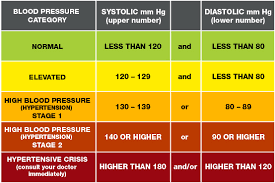
Note: A diagnosis of high blood pressure must be confirmed with a medical professional. A doctor should also evaluate any unusually low blood pressure readings.

These medications, referred to as angiotensin-converting enzyme inhibitors and angiotensin II receptor blockers, work by relaxing veins and arteries and enabling the heart to pump blood more freely. These drugs have been found in animal studies to reduce the development of pancreatic cancer. Numerous tiny human investigations imply the same phenomenon, but the sample sizes were insufficient to make firm conclusions. The new study analyzed data on 3.7 million persons in Italy and discovered 8,158 cases of pancreatic cancer reported between 2003 and 2011. The research, published in the journal BMC Cancer last month, discovered that most of these individuals died within about six months after diagnosis. Patients who received ARBs after a diagnosis of pancreatic cancer had a 20% decreased risk of death compared to identify patients who did not get ARBs. ARB users showed a 28% decreased risk of death in a smaller cohort of individuals who had cancer surgery. Patients with pancreatic cancer who used ACE inhibitors had a 13% decreased risk of death during the first three years after diagnosis, but this effect diminished with time. “ARBs and ACE inhibitors should still be considered experimental therapies for pancreatic cancer,” research investigator Scott Keith, Ph.D. of Thomas Jefferson University in Philadelphia, warns. Timothy Pawlik, MD, Ph.D., also warns against drawing definitive conclusions from this research. “While the statistics are intriguing, they are not definitive,” adds Pawlik of Ohio State University’s Comprehensive Cancer Center. “Because the research is retrospective, it is prone to selection and treatment bias. Additionally, the data were taken from an administrative health care database, which is known for its lack of detailed clinical information “he emphasizes. Additionally, Pawlik emphasizes that research on the effects of blood pressure drugs on cancer risk and outcome is inconsistent. Numerous prior research shows that ACE inhibitors and ARBs may protect against some types of cancer, such as colorectal cancer, while other data reveal a probable relationship between ACE inhibitors and an increased risk of certain types of cancer, such as lung cancer.

Reference
Blood Pressure Meds May Prolong Life in Pancreatic. https://www.webmd.com/cancer/pancreatic-cancer/news/20220307/blood-pressure-meds-for-pancreatic-cancer?fbclid=IwAR0N3j-_pDSVcFXu7OajXAyv0dazqfaFh9hTGGzm9T_99iRsRUB7lSMYsZs
Diabetes Report Card 2019 | CDC. https://www.cdc.gov/diabetes/library/reports/reportcard.html

Do you know how much fruit and vegetables you should be eating every day?

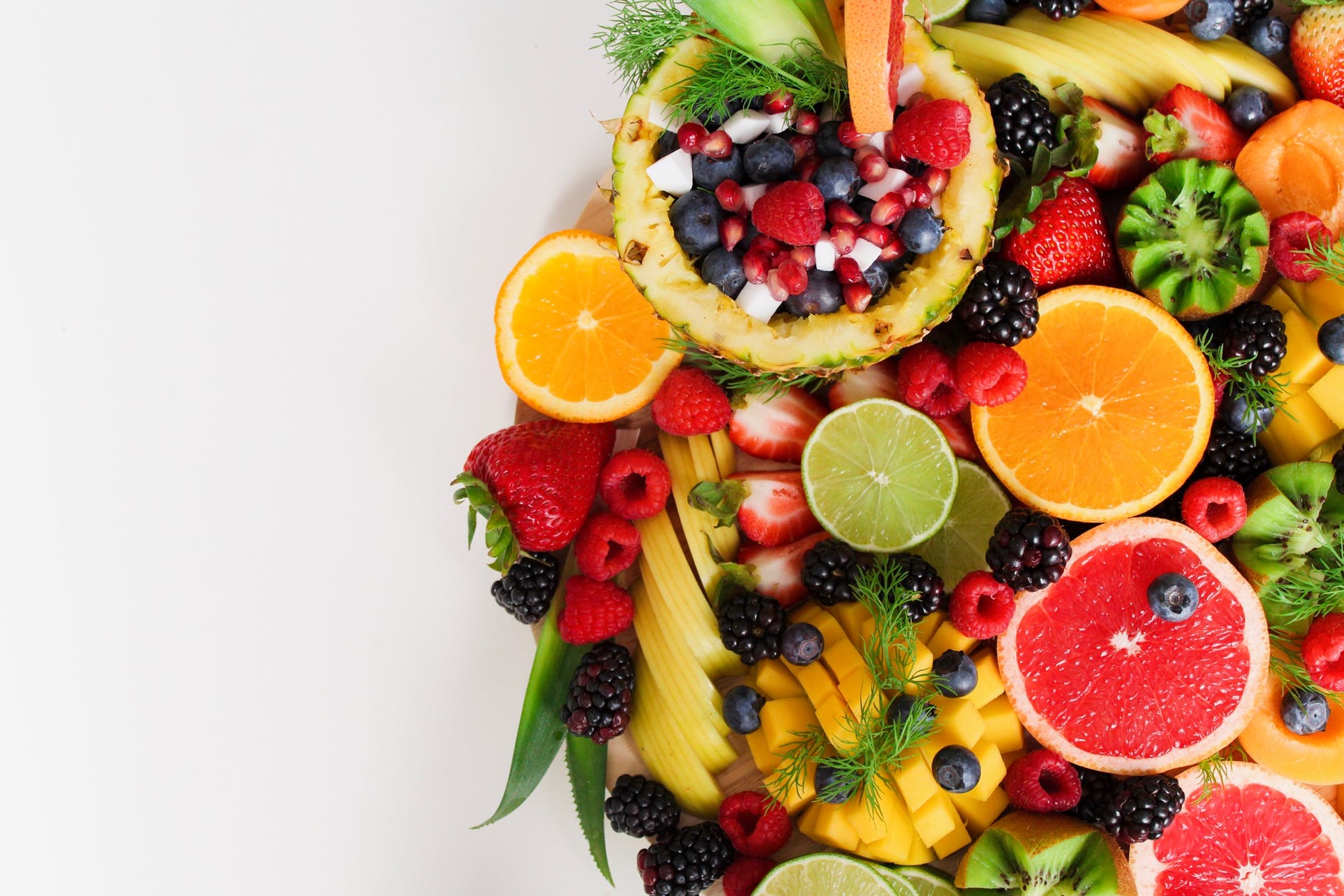
In line with the CDC, in 2015 only 12 percent of Americans met the suggestions for consuming fruit, and only nine percent consumed enough vegetables – also though eating sufficient fruits & vegetables as an ingredient of a standard nutritious diet reduces the chance of numerous chronic conditions, including cardiovascular disease, diabetes, some cancers, and obesity.

Photo by rawpixel.com on Pexels.com

Therefore, only how much is enough?

The federal guidelines had previously been shown in a pyramid and guidelines had been described in servings, that could sometimes be complicated since one serving could mean, for instance, a complete piece of medium sized good fresh fruit or 1/2 glass of canned, fresh fruit or 3/4 glass of fruit juice. One practically needed a spreadsheet and a calculator to keep track.

Utilizing the newer introduction of the MyPlate graphic, it is a bit easier. The idea is usually to fill half of a person’s plate with fruits and vegetables; as well as the serving sizes have now been simplified to cups.

Daily fruit recommendation
Women 19 to 30 years old: 2 cups
Women 31+ years old: 1 ½ cups
Men 19 years old and up: 2 cups

Daily vegetable recommendation:
Women 19 to 30 years old: 2 ½ cups
Women 31 to 50 years old: 2 ½ cups
Women 51+ years old: 2 cups
Men 19 to 30 years old: 3 cups
Men 31 to 50 years old: 3 cups
Men 51+ years old: 2 ½ cups

What one cup means
Now here’s where it can get a little confusing again, because a cup isn’t always a cup.
FRUIT
Generally speaking, although not always, one cup of fruit or a ½ cup of dried fruit can be considered as 1 cup through the Fruit Group. Any fruit or 100 percent fruit juice counts (though remember that juice lacks the fiber of whole fruits). Here are a few other equivalents.

Photo by Trang Doan on Pexels.com

1 small apple (2¼” diameter) = 1 cup-equivalent
1 large banana (8-9″ long) = 1 cup-equivalent
½ cup of fruit cocktail = ½ cup-equivalent
½ medium grapefruit (4″ diameter) = ½ cup-equivalent
1 medium bunch of grapes (about 50 grapes) = 1½ cup-equivalents
1 medium mango = 1 cup-equivalent
1 small orange (approx. 2½” diameter) = ½ cup-equivalent
½ cup of 100% orange juice (4 fluid ounces) = ½ cup-equivalent
½ large peach (2¾” diameter) = ½ cup-equivalent
2 large plums (2½” diameter each) = 1 cup-equivalent
¼ cup of raisins = ½ cup-equivalent
VEGETABLES
Any vegetable or 100 percent vegetable juice counts; vegetables may be raw or cooked; fresh, frozen, canned, or dried/dehydrated; and may be whole, cut-up, or mashed. Within the vegetable group, there are sub-groups, of which you should strive to eat a mix of all: Dark-green vegetables; red and orange vegetables; starchy vegetables; beans and peas (which can also satisfy protein requirements), and other vegetables. The equivalents are often equal, but not always. Here is a list to give you a better idea.

½ cup of black beans (cooked) = ½ cup-equivalent
½ cup of broccoli = ½ cup-equivalent
1 cup of baby carrots = 1 cup-equivalent
½ cup of cauliflower = ½ cup-equivalent
½ cup of corn = ½ cup-equivalent
½ cup of green beans (cooked) = ½ cup-equivalent
½ cup of kidney beans (cooked) = ½ cup-equivalent
1 cup of iceberg lettuce = ½ cup-equivalent
1 cup of romaine lettuce = ½ cup-equivalent
½ cup of mushrooms = ½ cup-equivalent
2 slices of onion (raw) = ¼ cup-equivalent
½ cup of pinto beans (cooked) = ½ cup-equivalent
1 medium baked or boiled potato (2½-3″ diameter) = 1 cup-equivalent
1 cup of baby spinach (raw) = ½ cup-equivalent
1 large baked sweet potato (2¼” diameter) = 1 cup-equivalent
½ cup of 100% tomato juice (4 fluid ounces) = ½ cup-equivalent
½ cup of tomatoes (raw) = ½ cup-equivalent
½ cup of zucchini = ½ cup-equivalent

Reference

Here is how much fruit and vegetables you should be eating …. https://www.treehugger.com/health/heres-how-much-produce-you-should-be-eating-every-day.html

It is interesting that body fat distribution linked to higher risk of aggressive prostate cancer

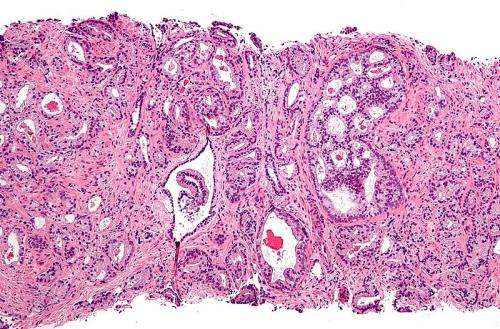
Micrograph showing prostatic acinar adenocarcinoma (the most common form of prostate cancer) Credit: Wikipedia

In the first prospective study of directly measured body fat distribution and prostate cancer risk, investigators unearthed that higher levels of abdominal and thigh fat are associated with an increased danger of aggressive prostate cancer. Published early online in a peer-reviewed journal associated with the American Cancer Society, the findings can result in a significantly better knowledge of the partnership between obesity and prostate cancer and supply new insights for treatment.

Previous research reports have shown that obesity is related to a heightened chance of advanced prostate cancer and a poorer prognosis after diagnosis. Also, emerging evidence shows that the precise distribution of fat in the torso may be an essential factor.

To offer high-quality evidence, Barbra Dickerman, Ph.D., associated with the Harvard T.H. Chan School of Public Health, along with her colleagues analyzed body fat distribution using the gold-standard way of measuring computed tomography imaging and assessed the possibility of being identified as having, and dying from, prostate cancer among 1,832 Icelandic men who were followed for up to 13 years.

Throughout the study, 172 men developed prostate cancer, and 31 died from the disease. The accumulation of fat in specific areas—such as visceral fat (deep in the abdomen, surrounding the organs) and thigh subcutaneous fat (just under the skin)—was associated aided by the threat of advanced and fatal prostate cancer. High body mass index (BMI) and high waist circumference were also connected with higher risks of advanced and fatal prostate cancer.

Interestingly, when looking separately at men with a high BMI versus low BMI, we discovered that the association between visceral fat and advanced and fatal prostate cancer was stronger among men with a lower BMI. The precision of these estimates was limited in this subgroup analysis, but this might be an intriguing signal for future research.

Additional studies are needed to investigate the role of fat distribution when looking at the development and progression of prostate cancer and exactly how alterations in fat stores as time passes may affect patients’ health. Ultimately, identifying the patterns of fat distribution, which are from the highest risk of clinically significant prostate cancer might help to elucidate the mechanisms linking obesity with aggressive disease and target men for intervention strategies.

An accompanying editorial notes that lifestyle interventions—such as diet and exercise—that target fat loss may also reduce the risk of prostate cancer.

Reference
Body fat distribution linked to higher risk of aggressive …. https://medicalxpress.com/news/2019-06-body-fat-linked-higher-aggressive.html

Can Fat Thighs Give You Cancer? Study Finds Link Certain …. https://uevf.org/cancer/fat-thighs-give-cancer-study-finds-link-kinds-obesity-aggressive-prostate-cancer-68666028

It is amazing how drugs make headway against lung, breast, and prostate cancers

Newer drugs are substantially improving and enhancing the chances of survival for some individuals with hard-to-treat forms of lung, breast, and prostate cancer, doctors, reported at the world’s largest cancer conference.

Photo by Pixabay on Pexels.com

Immunotherapy drugs such as Keytruda have transformed the various treating types of cancerous tumors, but they’re still relatively new and don’t help most patients. The most extensive study yet of Keytruda in patients with advanced lung cancer discovered that 23 percent of those who got the drug as an element of their initial therapy survived at least five years, whereas 16 percent of those who tried other treatments first did. The risk of this rises with age, but about 48,000 cases each in the U.S. are in women under age 50 years. About 70 percent are “hormone-positive, HER2-negative” — that is, cancer’s growth is fueled by estrogen or progesterone and not by the gene that the drug Herceptin targets.

In research of 672 women with such cancers that had spread or been very advanced, adding the Novartis drug Kisqali to the usual hormone blockers as initial therapy helped more than hormone treatment alone.

After 3½ years, 70 percent of females on Kisqali were alive, compared to 46 percent for the remainder. Side effects were more typical with Kisqali.

This is the very first time any treatment has boosted survival beyond what hormone blockers do for such patients.

The choices keep expanding for men with prostate cancer that has spread beyond the gland. Standard therapy is drugs that block the male hormone testosterone, which helps these cancers grow, plus chemotherapy or even a newer drug called Zytiga.

Now, two other drugs have proved to extend survival whenever used like chemo or Zytiga in guys who were getting natural hormone therapy and still being helped by it.

One study tested Xtandi, sold by Pfizer and Astellas Pharma Inc., in 1,125 guys, half of whom also were chemo that is getting. After three years, 80 % of those offered Xtandi plus standard treatments were alive, contrasted to 72 percent of men given the other treatments alone. The other research involved 1,052 guys who got hormone treatment with or minus the Janssen drug Erleada. After two years, success was 82 percent among those on Erleada and 74 percent those types of who wasn’t.

Men now have a range of four drugs that provide comparable benefits, with no studies yet have compared them against one another, said Dr. Ethan Basch, a prostate specialist at the University of North Carolina’s Lineberger Comprehensive Cancer Center who may have no financial ties to any drugmakers.

However, chemo can cause numbness and tingling in the tactile arms and feet and may even maybe not be suitable for men with diabetes who already are at higher risk because of this problem. Zytiga must be studied having a steroid; Xtandi and Erleada can cause fainting and falling.

Chemo has more side effects, but it costs much less and requires only four to six intravenous treatments. One other three medications are pills that cost more than $10,000 a month and tend to be taken indefinitely.

Reference
Drugs make headway against lung, breast, prostate cancers …. https://www.everyday-scoop.com/drugs-make-headway-against-lung-breast-prostate-cancers-the-associated-press/

Could thousands of cancer diagnoses be tied to a poor diet?

Ones diet could have more impact on ones cancer risk than you might think, new research has discovered.

An estimated 80,110 new cancer cases among the adults 20 and older within the United States in 2015 were attributable only to eating an unhealthy diet, in line with the study, published within the JNCI Cancer Spectrum on Wednesday.

Photo by Public Domain Pictures on Pexels.com

The researchers evaluated seven dietary elements: a low intake of vegetables, fruits, whole grains and dairy products and a higher intake of processed meats, red meats and sugary drinks, such as for instance soda.

Low whole-grain consumption was associated with the largest cancer burden into the US, followed closely by low dairy intake, high processed-meat consumption, low vegetable and fruit intake, high red-meat intake and significant intake of sugar-sweetened beverages.

The research included data on the dietary consumption of adults into the United States between 2013 and 2016, which came from the National Health and Nutrition Examination Survey, in addition to data on national cancer incidence in 2015 through the US Centers for Disease Control and Prevention.

The researchers used a comparative risk evaluation model, which included estimating the number of cancer cases related to poor diet and helped evaluate just how much diet may be the cause within the US cancer burden. Those estimations were made using diet-cancer associations found in separate studies.

Previous studies provide intense evidence that a top consumption of processed meat escalates the risk of colorectal cancer and a low usage of whole grain products decreases the danger of colorectal cancer. However, our study quantified the amount and percentage of the latest cancer cases which are attributable to poor diet at the national level.

The researchers found that colon and rectal cancers had the best number and proportion of diet-related cases, at 38.3%.

Once the findings were looked over by diet, low use of whole grain products and dairy products and eating lots of processed meats contributed into the highest cancer burden.

Also, men 45 to 64 years of age and ethnic minorities, including blacks and Hispanics, had the highest proportion of diet-associated cancer burden compared with other groups, the researchers found.

Ultra-processed foods linked to increased cancer risk
The study had some limitations, including that the information could not shed light on what the association between diet and cancer risk may change as an individual ages.

Additionally, more research is needed to see whether an equivalent association would emerge for other years and time periods within the United States.

On the whole, diet is amongst the few modifiable risk factors for cancer prevention. These findings underscore the needs for reducing cancer burden and disparities within the US by enhancing the intake of key food groups and nutrients.

Avoid these ‘ultraprocessed’ foods and you might live longer
Ultraprocessed foods occupy an increasing area of the world’s diet. A 2016 study found that 60% of the calories into the average American diet originate from this sort of food, and a 2017 study found that they make up 50 % of the Canadian diet. They make up a lot more than 50% associated with the UK diet, and much more of this establishing world is just starting to eat in this manner.

Yet you may protect yourself from cancer by avoiding ultraprocessed foods and alternatively selecting organic foods, studies have shown.

Individuals who frequently eat organic foods lowered their overall danger of developing cancer, in accordance with a report published just last year into the medical journal JAMA Internal Medicine. Specifically, those who primarily ate organic foods were almost certainly going to ward off non-Hodgkin lymphoma and postmenopausal breast cancer than those who rarely or never ate organic foods.

Additionally, in accordance with a report published in the same journal in February, we face a 14% greater risk of early death with each 10% increase in the total amount of ultraprocessed foods we readily eat.

This is unbelievable, a California teacher on medical leave for breast cancer has to pay for her substitute

A San Francisco teacher who’s on medical leave has to worry about a lot more than just battling breast malignancy.

Along with footing medical bills, she’s to pay for an alternative teacher at Glen Recreation area Elementary School.

All teachers receive 10 paid days of healthcare leave per year in the SAN FRANCISCO BAY AREA United School District. In case a teacher needs additional time, they can get another 100 sick days — at a cost. Under a 1976 California law, the price for the substitute teacher will be deducted from the teacher’s salary.

The average daily cost of a substitute teacher in San Francisco is $203.16, San Francisco United School District spokeswoman Laura Dudnick stated. In 2018, the average teacher salary in the school district, excluding benefits, was $82,024.37.

Teachers who require additional medical keep can draw from a Sick Leave Bank for 85 days with no deduction from their paycheck. Teachers donate unused unwell days to the lender to help their colleagues significantly.

The Glen Recreation area teacher has chosen to stay anonymous, but parents at the institution are speaking out in what they think can be a bad policy.

Research estimates 15,000 individuals had a cancer diagnosis that stems from chemicals in California tap water: How safe is your water?

A new study finds that normal water in California could boost the threat of cancer.

Researchers through the environmental advocacy group Environmental Working Group estimated that the contaminants present in public water systems in California could contribute to about 15,500 cancer cases there over the course of a lifetime. These cancer causing pollutants include chemical substances such as for instance arsenic, hexavalent chromium and radioactive elements such as uranium and radium. The analysis based on cancer cases was published Tuesday in the journal Environmental Health.

The highest category estimated of individuals with cancer was more than 1 in 1,000 people. The people were identified as having cancer from drinking tap water. Researchers failed to identify which water systems were considered high risk.

Read more about Pollutants in the water