Category Archives: genetics

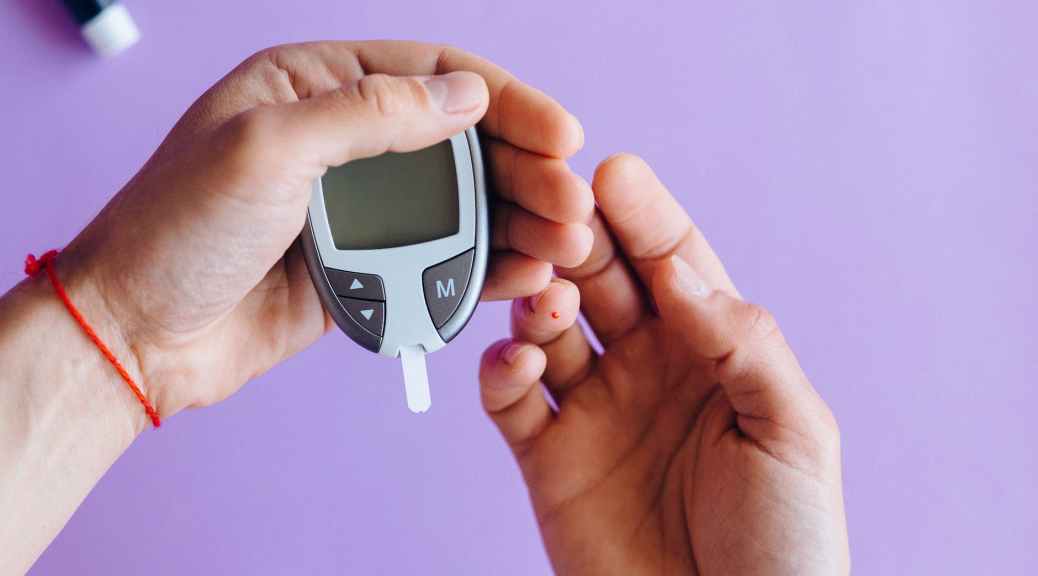
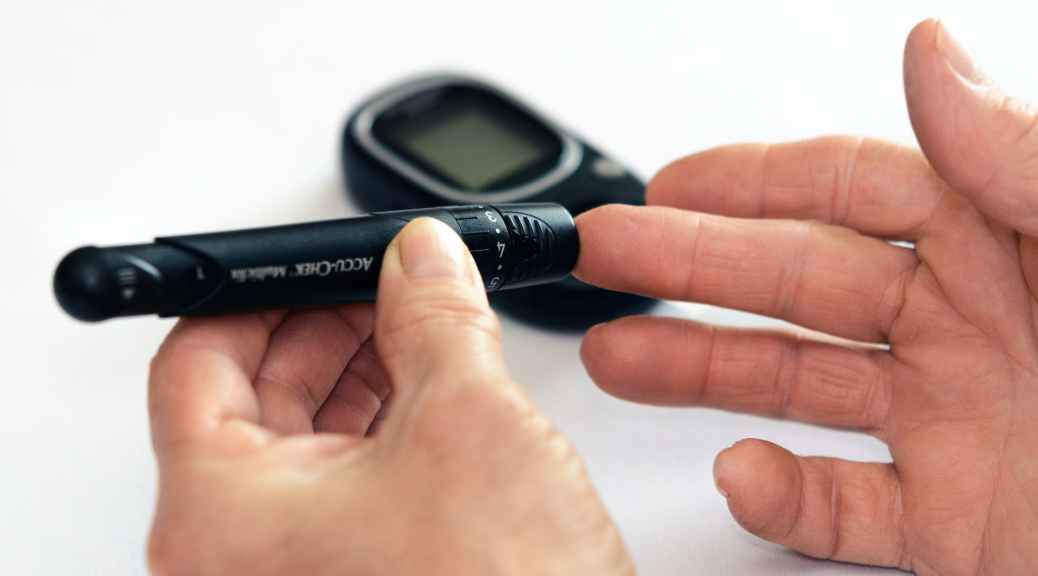
How Does Early Diagnosis Impact Life Expectancy in Diabetes?

The Impact of Early Diagnosis on Life Expectancy in Diabetes

In the contemporary era of heightened health awareness, individuals are often exposed to alarming statistical data. However, few findings capture our attention as profoundly as the most recent research investigating the relationship between diabetes and life expectancy. The findings of new research published in the journal Diabetes and Endocrinology shed light on the significant impact of the age at which an individual is diagnosed with diabetes on their overall life expectancy.

The statistics are alarming

In 2021, there will be a global incidence of diabetes among 537 million adults. Among the individuals, there has been a noticeable increase in the proportion of young people. According to somber prior research, people with type 2 diabetes tend to die younger than their non-diabetic counterparts by about six years. So far, there has been a dearth of research examining the influence of age on diabetes diagnosis and life expectancy.

The findings of recent research studies

This research comprehensively analyzed population-based data from nineteen high-income nations, using two prominent data sources—the Emerging Risk Factors Collaboration (ERFC) and the UK Biobank. The researchers have made a significant finding, indicating that for each decade by which an individual obtains a diabetes diagnosis at an earlier stage, there is a corresponding reduction of around three to four years in their overall life expectancy.

Consider the following: Was the individual diagnosed at the age of 30? Individuals with diabetes are at an increased risk of experiencing a reduced lifespan of around 14 years compared to those without diabetes. Was the individual diagnosed at the age of 40? One’s lifespan is diminished by around ten years. The veracity of these figures is indisputable.

The Frightening Connections

The investigation also revealed that early identification of diabetes significantly amplifies mortality rates associated with vascular and non-neoplastic ailments, encompassing various situations such as strokes and respiratory disorders. Females have a somewhat elevated susceptibility compared to males, and those diagnosed at a younger age encounter increased fatality rates.

In order to achieve meaningful results, it is essential to take action rather than relying just on verbal expressions. While words may convey intentions and ideas, they alone cannot bring tangible outcomes. By actively engaging in actions that align with our goals and

These results must be considered. The study emphasizes the pressing need to formulate and execute preventive measures, specifically focusing on the younger adult population. This report serves as a compelling reminder that an early diagnosis of diabetes is strongly associated with a significantly reduced lifespan. As health awareness continues to grow, research has shown that an early diagnosis of diabetes can have a significant impact on overall life expectancy. According to recent studies, people diagnosed with type 2 diabetes tend to die six years earlier than their non-diabetic counterparts. However, a new study published in the journal Diabetes and Endocrinology has revealed that the age at which an individual is diagnosed with diabetes significantly impacts their overall life expectancy.

The study analyzed population-based data from nineteen high-income countries using the Emerging Risk Factors Collaboration (ERFC) and the UK Biobank. The results are alarming, showing that for each decade by which an individual obtains a diabetes diagnosis at an earlier stage, there is a corresponding reduction of around three to four years in their overall life expectancy.

For example, an individual diagnosed with diabetes at age 30 is at an increased risk of experiencing a reduced lifespan of around 14 years compared to those without diabetes. Similarly, an individual diagnosed with diabetes at 40 will experience a reduced lifespan of around ten years. The study also revealed that early identification of diabetes significantly amplifies mortality rates associated with vascular and non-neoplastic ailments, such as strokes and respiratory disorders.

Females have a somewhat elevated susceptibility compared to males, and those diagnosed at a younger age encounter increased fatality rates. It is, therefore, essential to take action and implement public health measures that demonstrate efficacy in preventing or postponing the onset of diabetes. The study emphasizes the pressing need to formulate and execute preventive measures, specifically focusing on the younger adult population.

It is time to enhance consciousness, promote the need for transformation, and implement strategic measures to address the challenges posed by diabetes effectively. We must prioritize and take action to prevent and postpone the onset of diabetes to restore a significant amount of life. The lives of individuals are at stake, and we must not delay any further.

While the text emphasizes the pressing need to formulate and execute preventive measures, it does not specify the measures. It would be helpful to know what specific actions can be taken to prevent or postpone the onset of diabetes.

The need to take action is evident. There is a pressing need to implement public health measures that demonstrate efficacy in preventing or postponing the onset of diabetes. It is essential to enhance consciousness, promote the need for transformation, and implement strategic measures to address the challenges posed by diabetes effectively. The lives of individuals are at stake. The objective is focused on preventing a particular ailment and restoring a significant amount of lifespan. We must refrain from delaying any more.

Cited Works:

Estimating life expectancy based on the age of type 2 diabetes diagnosis. (2023, September 13). News-Medical.net. https://www.news-medical.net/news/20230913/Estimating-life-expectancy-based-on-the-age-of-type-2-diabetes-diagnosis.aspx

Is the discovery of black holes emitting radio waves long after devouring stars a groundbreaking revelation that challenges our understanding of these cosmic entities, or does it merely raise more questions about the mysteries of the universe?

Introduction:
In the vast cosmos, some of the most breathtaking phenomena occur when stars meet their formidable cosmic neighbors, supermassive black holes. The dramatic events that unfold during these encounters have long fascinated astronomers and astrophysicists. Until recently, it was widely believed that the spectacle surrounding such collisions faded away within weeks or months. However, a new revelation has left the scientific community astounded: black holes might have a case of cosmic indigestion, emitting radio waves hundreds of days after devouring a star. Join us as we explore this intriguing cosmic phenomenon.

The Unexpected Discovery:
An international team of astrophysicists has upended our understanding of black hole behavior. They observed radio waves emanating from the vicinity of supermassive black holes, long after these celestial giants had torn apart nearby stars. The implications are profound, suggesting that a significant portion of black holes indulges in a post-feast ritual of ‘burping’ material, and this phenomenon occurs years after the initial star-shredding event. Lead author Yvette Cendes remarks, “No one was expecting this, and we don’t really understand why this might be!”

Unveiling the Mystery:
The research relied on data collected from three powerful radio telescopes: the Very Large Array in the United States, MeerKAT in South Africa, and the Australian Telescope Compact Array. The team meticulously studied 24 supermassive black holes, and their findings, while yet to be peer-reviewed, are available on the pre-print server arxiv.org for the scientific community to explore.

Tidal Disruption Events:
To comprehend this phenomenon, it’s essential to revisit the concept of tidal disruption events. When a star ventures too close to a supermassive black hole, its immense gravitational pull elongates the star into a spaghetti-like structure. In a matter of hours, the star is torn apart, resulting in one of the most brilliant optical flares observed in the Universe. Approximately 20 to 30 percent of these events produce early-stage radio waves. However, researchers typically shift their focus elsewhere after witnessing the initial bright light.

The ‘Jetty’ Surprise:
A groundbreaking discovery last year by Yvette Cendes and her team changed the game. They identified a supermassive black hole, twenty million times more massive than the Sun, emitting jets of radio waves approximately three years after consuming a star. This revelation, nicknamed ‘Jetty McJetface’ or simply ‘Jetty,’ challenged conventional thinking. Cendes ponders, “Jetty was just one of 24 tidal disruption events we were studying… What the heck were the rest of them doing?!”

The Universe: Dangerous Black Holes and Gamma Ray Bursts (S1, E12) | Full Episode

Black Holes: Cosmic Mess-Makers:
Contrary to popular perception, black holes do not consume stars like vacuum cleaners. Instead, they create a cosmic mess, akin to the Cookie Monster devouring cookies. Only a fraction of the stellar material falling into a black hole crosses the event horizon, where not even light can escape. The remaining material is ejected into the galaxy or forms an orbiting debris cloud known as the accretion disc.

Two Possible Explanations:
The authors of the study propose two potential reasons why radio waves might emanate from black holes long after star collisions. One theory suggests that it takes time for the debris encircling the black hole to settle into a stable orbit. The other posits that the debris, loosely bound to the supermassive black hole, forms a spherical envelope that must cool and contract significantly to create an accretion disc. This cooling process might lead to delayed radio wave emissions, offering an alternative explanation for this captivating cosmic phenomenon.

Conclusion:
The revelation of black holes emitting radio waves long after star encounters challenges our understanding of these enigmatic cosmic entities. It invites further exploration into the intricate dynamics of black hole behavior and their intricate relationships with the stars they encounter. As scientists delve deeper into the mysteries of the cosmos, we may uncover even more unexpected cosmic phenomena that reshape our perception of the Universe.

Cited Works:

Maes, Christian. Facts of Matter and Light: Ten Physics Experiments that Shaped Our Understanding of Nature. Springer Nature, 2023.

Gbur, Gregory J. Invisibility: The History and Science of How Not to Be Seen. Yale University Press, 2023.

Henderson, Caspar. A Book of Noises: Notes on the Auraculous. University of Chicago Press, 2023.

Black Holes ‘Burp’ Years After Shredding Stars, And We Don’t Know Why. https://www.sciencealert.com/black-holes-burp-years-after-shredding-stars-and-we-dont-know-why?fbclid=IwAR0d04gSQvrKHFVAAQLWvLu_Ndpuv0NufryX_81ncMqJMuf5hsD_0WbZ7Zs

Is the claim that the living currently outnumber the dead supported by historical data and estimates, or is it merely a myth rooted in misconceptions about population dynamics?

In the realm of curious numerical claims, there is one that has likely crossed the ears of many: the notion that the living population of Earth currently surpasses the total of all those who have ever walked this planet and subsequently departed. At first glance, such an idea seems plausible, particularly when considering the rapid growth of the global human population over the past two centuries. From a mere 1.6 billion inhabitants in 1900, our numbers have catapulted to just over 8 billion. It would seem reasonable to assume that the living may have momentarily outnumbered the deceased at some fleeting point in this century.

However, as one delves deeper into the available data and estimates, a different narrative emerges and debunks this intriguing claim.

The story begins with the remarkable surge in the global human population over the past two centuries, driven by the transformative forces of industrialization and advancements in agriculture. This population explosion might understandably lead one to speculate that there was a brief period when the living indeed surpassed the cumulative count of those who had passed away.

However, this assumption must be revised according to the data and estimates.

The turning point in the reliability of population data occurred around the year 1800. This marked a significant era when written records, censuses, and the collection of taxes became more common practices in various countries. Before this pivotal juncture, which began approximately 60,000 years after the first modern humans departed Africa, humanity was primarily immersed in a world of estimates and conjecture.

Human Population

Consider the formidable challenges of estimating populations in ancient times. For instance, during the Iron Age in France, from 800 B.C.E. to about 100 C.E., the average life expectancy was 10 to 12 years. Under such formidable conditions, a birth rate of approximately 80 live births per 1,000 individuals would have been necessary for the species to endure. To provide context, today’s high birth rates range from 35 to 45 live births per 1,000 population and are observed in only select sub-Saharan African countries.

To arrive at an estimate, the Population Reference Bureau (P.R.B.) devised a methodology that drew from population data across various historical periods and prehistory. They assumed a decreasing birth rate over time to mirror the declining trend. While this approach provided a rough approximation of birth numbers (and consequently, death numbers), it is essential to acknowledge that accuracy would have greatly benefited from more rigorous record-keeping practices in ancient societies.

According to the P.R.B.’s calculations, a staggering 117 billion births have occurred since 190,000 BCE, far surpassing the 8 billion individuals currently alive. In essence, living people outnumbering the dead finds no support in the available data and historical estimates. It stands as a testament to the resilience of the human spirit and our collective journey through the annals of time.

In closing, this exploration prompts reflection on how our comprehension of past population dynamics has evolved and how data continually shapes our perception of the world’s demographic history.

Cite Works:

Piecuch, Jim, ed. Seven Myths of the American Revolution. Hackett Publishing, 2023.

Piecuch, Jim, ed. Seven Myths of the American Revolution. Hackett Publishing, 2023.

How Many People Have Lived On Earth So Far? https://www.iflscience.com/how-many-people-have-lived-on-earth-so-far-70637?fbclid=IwAR1TeRVrgI0bWllU-41LPr9IMB6DDhe3e5heZlTCraBmNRC2NQ7d-BWf5_E

Deciphering the DNA Code of Blood Sugar: Groundbreaking Insights from a GWAS Meta-Analysis

Introduction

In a groundbreaking study published in Nature Genetics, researchers have embarked on a journey to decode the intricate genetic web that underlies blood glucose regulation. This genome-wide association study (GWAS) meta-analysis, conducted on an astonishingly vast scale, offers unparalleled insights into the pathophysiology of diabetes, its complications, and potential avenues for personalized treatment strategies.

The Complex World of Blood Glucose Regulation

Glucose, the primary fuel for our bodies, is under strict genetic control. Imbalances in glucose regulation play a pivotal role in developing type 2 diabetes (T2D). While previous studies have explored the genetic factors influencing glucose levels in response to various challenges, this study takes a broader perspective by examining random glucose (RG) levels. Although inherently more variable than standardized measures, RG provides a comprehensive snapshot of the complex processes governing glucose regulation across multiple organ systems.

The Study Unveiled

In this ambitious study, researchers conducted a GWAS meta-analysis involving 476,326 non-diabetic individuals of diverse ancestries. They meticulously adjusted their analyses for factors like sex, age, and the time elapsed since their last meal. The study excluded individuals with diabetes or hyperglycemia and employed sophisticated statistical models to select the most relevant covariates.

The results of this colossal undertaking were nothing short of remarkable. The researchers identified a whopping 150 distinct signals within 120 loci, with 53 signals being reported for the first time in the context of glycemic traits. Intriguingly, some signals identified in individuals of European ancestry exhibited nominal significance in people of other ancestries. Furthermore, two-thirds of these RG signals overlapped with loci related to T2D, highlighting the intricate interplay between blood glucose regulation and diabetes.

Unraveling the Genetic Complexity

Perhaps one of the most fascinating discoveries was the presence of sex dimorphism at 13 RG loci. The study also revealed common and low-frequency coding variants in genes such as THADA, RREB1, TET2, NMT1, and RFX1. These variants, with varying minor allele frequencies, exerted diverse effects on RG levels, further emphasizing the genetic complexity of glucose regulation.

The Role of GLP1R in Blood Glucose Regulation

The researchers prioritized GLP1R, a known target for T2D treatment, for functional analysis. They used RG data to develop a framework for predicting responses to GLP-1R agonists. The study showed that the functional impact of specific GLP1R variants could be linked to blood glucose homeostasis, validating the critical role of this gene in glucose regulation.

A Glimpse into Tissue and Cell Types

The researchers conducted comprehensive analyses to uncover the tissues and cell types involved in glucose metabolism. Their findings highlighted the importance of the colon, ileum, cartilage, adrenal glands, pancreas, and adrenal cortex. These insights could pave the way for a deeper understanding of how different body parts contribute to glucose regulation.

Intestinal Health and Genetic Associations

It was also interesting to see how RG variants are related to intestinal health, especially in two genera (Collinsella and Lachnospiraceae-FCS020) that are involved in making glucose from galactose and lactose. This multi-omics approach provided substantial evidence for the associations between RG variants and gut microbiota.

Blood Glucose’s Impact on Lung Function

Lastly, the study examined the genetic correlations between RG and other phenotypes. Positive genetic correlations were found with squamous cell lung cancer and lung cancer, while inverse correlations were observed with lung function-associated traits like FEV1 and FVC. Bidirectional Mendelian randomization demonstrated the causal effects of T2D and RG on lung function decline, uncovering a new diabetes complication.

Conclusion

In summary, this monumental GWAS meta-analysis has unveiled 44 additional loci associated with glycemic traits, validated the role of GLP1R in glucose regulation, and shed light on underexplored mediators of glycemic control, particularly the intestines. Furthermore, it confirmed the causal relationship between glycemic dysregulation and lung function decline, elevating lung dysfunction as a new complication of diabetes. This study deepens our understanding of blood glucose regulation and opens exciting avenues for future research and personalized diabetes management.

Cited Works
Reik, Anna. “Genetic and dietary predictors for the postprandial glucose response and possible implications of the postprandial metabolic phenotype on weight management.” PhD diss., Technische Universität München, 2023.

Fradin, Delphine, and Pierre Bougneres. “T2DM: Why Epigenetics?”” Journal of Nutrition and Metabolism 2011 (2011).

Foreman, Judy. A nation in pain: Healing our biggest health problem. Oxford University Press, USA, 2014.

Cracking the Code of Autism’s Neural Mysteries: The Game-Changing Twin Study You Need to Know About

Subscribe to continue reading

Subscribe to get access to the rest of this post and other subscriber-only content.

Scientists Grow Model Human Embryo Without Sperm or Egg: A Leap Forward in Understanding Human Development

Introduction

In a groundbreaking experiment that could revolutionize our understanding of human development, scientists have successfully grown a model human embryo without using sperm or egg cells. This unprecedented achievement marks an important milestone in the field of developmental biology. It opens the door to numerous possibilities for studying early human development and the ethical discussions surrounding such advancements.


The Experiment

A team of scientists, utilizing a sophisticated combination of stem cells and carefully controlled environmental conditions, grew a model human embryo that closely mimics natural development up to a particular stage. Researchers could coax stem cells into organizing themselves into a structure resembling a human embryo by utilizing specific growth factors and a tailor-made environment.

The study aims to provide invaluable insights into the earliest stages of human development and address questions that have puzzled scientists. While traditional methods like animal testing offer some information, they still need to completely mirror the complexities of human biology. This model embryo, however, brings us one step closer to understanding the secrets of how our bodies are built.

Applications and Implications

Medical Research

The potential applications of this research are broad and varied. The research could accelerate our understanding of developmental disorders, congenital diseases, and the mysterious processes that guide cellular development. It might also lead to advances in fertility treatments and offer new avenues for studying reproductive health.

Drug Testing

In pharmaceuticals, the ability to test drugs on human-like systems without risking human lives could speed up drug development. New medications could be tested for their effects on early-stage human development, potentially reducing the need for animal testing.

Ethical Considerations

As with any scientific advancement that tinkers with the fundamentals of life, we must address arising ethical concerns. The model embryo cannot develop into an entire human being. However, the research raises questions about the ethical implications of manipulating early human development, even in a lab setting.

Some of the ethical questions that arise include:

  • At what stage does the model embryo become too “human-like” to experiment?
  • Could this research lead to unauthorized or unethical applications, such as human cloning?
  • How can regulations keep up with such rapidly advancing technology?

Future Outlook

While this experiment takes a remarkable step forward, we must consider its limitations. For instance, the model embryo only mimics development up to a particular stage, and there is still much to learn about later phases of human development.

Moreover, ethical guidelines must keep pace with technological advancements. Regulatory bodies and the scientific community must engage in active dialogue to ensure this research is conducted responsibly.

Conclusion

The successful growth of a model human embryo without the use of sperm or egg cells has brought humanity one step closer to unraveling the complexities of our development. This could have broad applications across various medical research and drug development fields, but it also calls for careful ethical considerations.

As we move forward, it is crucial to proceed with curiosity and caution, ensuring that our pursuit of knowledge does not overstep ethical boundaries. Only then can we fully unlock the potential of such pioneering research.

Maiya Focht,  Scientists grew a model human embryo in a lab without a sperm or egg, bringing humans one step closer to understanding the secrets of how our bodies are built. https://www.businessinsider.com/scientists-made-model-human-embryo-without-sperm-or-egg-2023-9?fbclid=IwAR2_R2xaG924N7Xfkg-klAJawJg_eF1vF-f_DaITVSFD-Q1kChNjgjz7Ozg. Accessed on Sep 7, 2023

Did you know that in the face of anti-Asian prejudice, these organizations agree on the next steps to be taken?

The United States observes Asian American, Native Hawaiian, and Pacific Islander Heritage Month.

There has been an increase in the amount of violence directed against this community. According to the survey, women reported 61.8 percent of all hate events, with verbal harassment accounting for 63% of all instances and physical assault accounting for 16.2 percent. Stop AAPI Hatred is one of the various organizations formed to assist the AANHPI community. It was founded in March 2020 to detect and react to anti-Asian hate. The San Francisco-based organization invites individuals to report any abuse they have experienced so that the data may be used to better understand what is going on throughout the nation and how to combat it.


They also provide a framework for public policy to prevent harassment and bigotry. Soar Over Hate, located in New York, is another organization that was formed in response to the violence. The organization assists victims of anti-Asian hate crimes in obtaining self-defense weapons. They also provide a grant to high school students as well as a therapeutic fund that covers up to ten free therapy sessions. AAPI Women Lead looks at how AAPI women, girls, and gender-expansive populations are represented in the United States.


The organization, based in Oakland, California, has been working to reduce hate crimes. According to Tran, violence against women and our gender nonconforming or gender expansive groups is intersectional. Racial and patriarchal violence affect Asian Americans and Pacific Islanders. A panel on mental, emotional, and spiritual wellness in the AANHPI community will be held during AAPI Women Lead. Acupuncturists, herbal medicine practitioners, and intuitive healers will be on the panel. As Connie Wun, co-founder and executive director, remarked, they reclaim our practices as a component of our resistance.

You might not have known this, but a study called “Landmark” found that people who smoke are more likely to get Alzheimer’s.

The biggest Alzheimer’s study ever finds new genes and pathways involved in disease progression.

silhouette of a person showing internal nervous system and brain on a blue background surrounded by dna

CREDIT: GETTY IMAGES

The groundbreaking study’s findings imply physicians can better anticipate whether a patient is genetically prone to Alzheimer’s. Alzheimer’s disease affects over 5.8 million Americans. Researchers from France’s Université de Lille performed the study. A genetic risk score may help determine who is most likely to develop Alzheimer’s.

To better understand Alzheimer’s and create medicines that delay or prevent the disease start, the research represents a huge step forward. The next stage is for researchers to concentrate on the study’s risk genes and their influence in brain cell malfunction and death.

Would you like to know that a human genome has finally been fully decoded?

The genome of a single sperm contains the genetic material of one pair of paternal chromosomes.

Researcher Kevin Bishop looks at zebrafish samples. Techniques used to sequence the human genome can also be applied to other species. Ernesto Del Aguila III / National Institutes of Health

Researchers are re-analyzing 92 percent of the genome to look for genetic variants that may be causing illnesses. “We identified many more, tens of thousands, if not hundreds of thousands” of new variants, says David Dennis. In addition, researchers can better investigate how centromere proteins assemble and what happens when they alter or lose function using the new genome. As part of his research, Evan Eichler aims to decode the genetic code on paternal and maternal chromosomes. By systematically sequencing a large number of individuals from diverse origins, he claims that it would be possible to better understand the genetic variation of the globe and identify relevant genetic variants.

Reference

A human genome has finally been fully decoded. https://www.nbcnews.com/science/science-news/human-genome-finally-fully-decoded-rcna22029?fbclid=IwAR0dGb_i9ckxLcACA777uZcg4BCAUPLDfwMJw2t65P_WNw2rxeHj_i9QU_E