All posts by Kenneth Dantzler-Corbin

I am a writer, editor, adjunct professor of Religion and Philosophy, English as a Second Language, Genealogy, Educator in Ambulatory Care, and Spiritual Support Specialist, Singer, Musician, and Social Justice Advocate for Human Rights.

The Power of Mindfulness: A Guide to Healthy Meditation

In today’s fast-paced world, finding peace and relaxation is essential for our mental and physical well-being. Meditation, specifically mindfulness meditation, has gained popularity for its numerous health benefits. In this blog post, we’ll explore the power of mindfulness and provide a guide to help you incorporate healthy meditation practices into your daily life.

The Basics of Mindfulness Meditation:
Mindfulness meditation involves paying focused and non-judgmental attention to your thoughts, sensations, and surroundings. It encourages you to be fully present in the moment, allowing you to reduce stress, improve concentration, and enhance overall mental clarity.

Getting Started:

Find a Quiet Space: Choose a peaceful location where you won’t be disturbed. It could be a corner of your home, a park, or even a quiet room at work during your break.

Comfortable Posture: Sit or lie down in a comfortable position. You can use a cushion or chair for added comfort.

Focus on Your Breath: Close your eyes and focus on your breath. Pay attention to the sensation of your breath as it enters and leaves your body.

Non-Judgmental Observation: When thoughts arise (as they inevitably will), acknowledge them without judgment and gently guide your focus back to your breath.

Start Slow: Begin with just a few minutes of meditation each day and gradually increase the duration as you become more comfortable.

Benefits of Mindfulness Meditation:

Stress Reduction: Mindfulness meditation helps activate the body’s relaxation response, reducing stress hormones like cortisol.
Improved Concentration: Regular meditation enhances your ability to focus and concentrate on tasks.
Emotional Regulation: It can help manage emotions, reducing symptoms of anxiety and depression.
Better Sleep: Mindfulness can improve the quality of your sleep by calming a racing mind.

Citation:

Burke, A., Lam, C. N., Stussman, B., & Yang, H. (2017). Prevalence and patterns of use of mantra, mindfulness, and spiritual meditation among adults in the United States. BMC complementary and alternative medicine, 17(1), 1-18.

Kabat-Zinn, J., Siegel, D., Hanh, T. N., & Kornfield, J. (2011). The mindfulness revolution: Leading psychologists, scientists, artists, and meditation teachers on the power of mindfulness in daily life. Shambhala Publications.

Shapiro, D., & Shapiro, E. (2019). Unexpected Power of Mindfulness and Meditation. Courier Dover Publications.

Ashwagandha: The Natural Supplement for Anxiety and Stress Relief

In the fast-paced world we live in, the quest for mental well-being has never been more critical. People are turning to various solutions, both conventional and holistic, to combat stress and anxiety. Among the latter, one natural remedy is gaining considerable attention – ashwagandha.

The Rise of Ashwagandha

Used for centuries in Ayurvedic medicine, ashwagandha is experiencing a surge in popularity in the United States. According to the American Botanical Council’s latest report, ashwagandha ranked as the seventh most purchased supplement in 2021. This surge in interest may be attributed to the compelling research supporting its effectiveness.

Dr. Megan Bradley’s Perspective

Dr. Megan Bradley, a urogynecologist at the University of Pittsburgh, is among those who believe in the potential of ashwagandha. In fact, she considers ashwagandha so promising that it’s the only supplement she regularly takes.

Ashwagandha: An Adaptogen

Ashwagandha is classified as an adaptogen, a substance believed to enhance the body’s ability to adapt to stress. According to a 2021 survey by the Council for Responsible Nutrition, many people, like Dr. Bradley, report taking ashwagandha to improve their overall health and wellness.

Scientific Support

One small-scale study from 2019 revealed that adults who consumed ashwagandha capsules experienced reduced cortisol levels, a hormone released during stressful situations. Further bolstering its reputation, a 2022 review of multiple studies found that ashwagandha significantly decreased anxiety and stress levels. However, it also emphasized the need for more extensive research into the herb’s potential benefits.

Available in Various Forms

Ashwagandha is incredibly versatile and can be incorporated into one’s daily routine in various forms, including powders, capsules, liquid drops, and even gummies. Its adaptogenic properties and potential stress-relief benefits have piqued the interest of many seeking natural remedies for their mental well-being.

A Word of Caution

While ashwagandha appears promising, individuals with pre-existing thyroid conditions should exercise caution. Ashwagandha can lead to hyperthyroidism in people who already have an overactive thyroid. Therefore, it’s advisable to consult with a healthcare professional before adding ashwagandha to your regimen.

In a world where stress and anxiety are increasingly prevalent, ashwagandha emerges as a natural remedy offering potential relief. However, as with any supplement or herbal remedy, it’s crucial to consult with a medical professional before introducing it to your health and wellness routine.

Cited Works:

Hull, Kate. “A Doctor Only Takes 1 Supplement Regularly. It Can Help with Stress, Anxiety, and Sleep.” Insider, October 21, 2023. https://www.insider.com/doctor-takes-supplement-ashwagandha-stress-anxiety-sleep-2023-10?fbclid=IwAR2DkVvjPpKYD0xhHhqvo-PQvcu2DPTPrh-Ez8HBtbVhgbvxf9XM4AzVKA4.

Understanding the Complex Relationship Between Depression and Cognitive Function

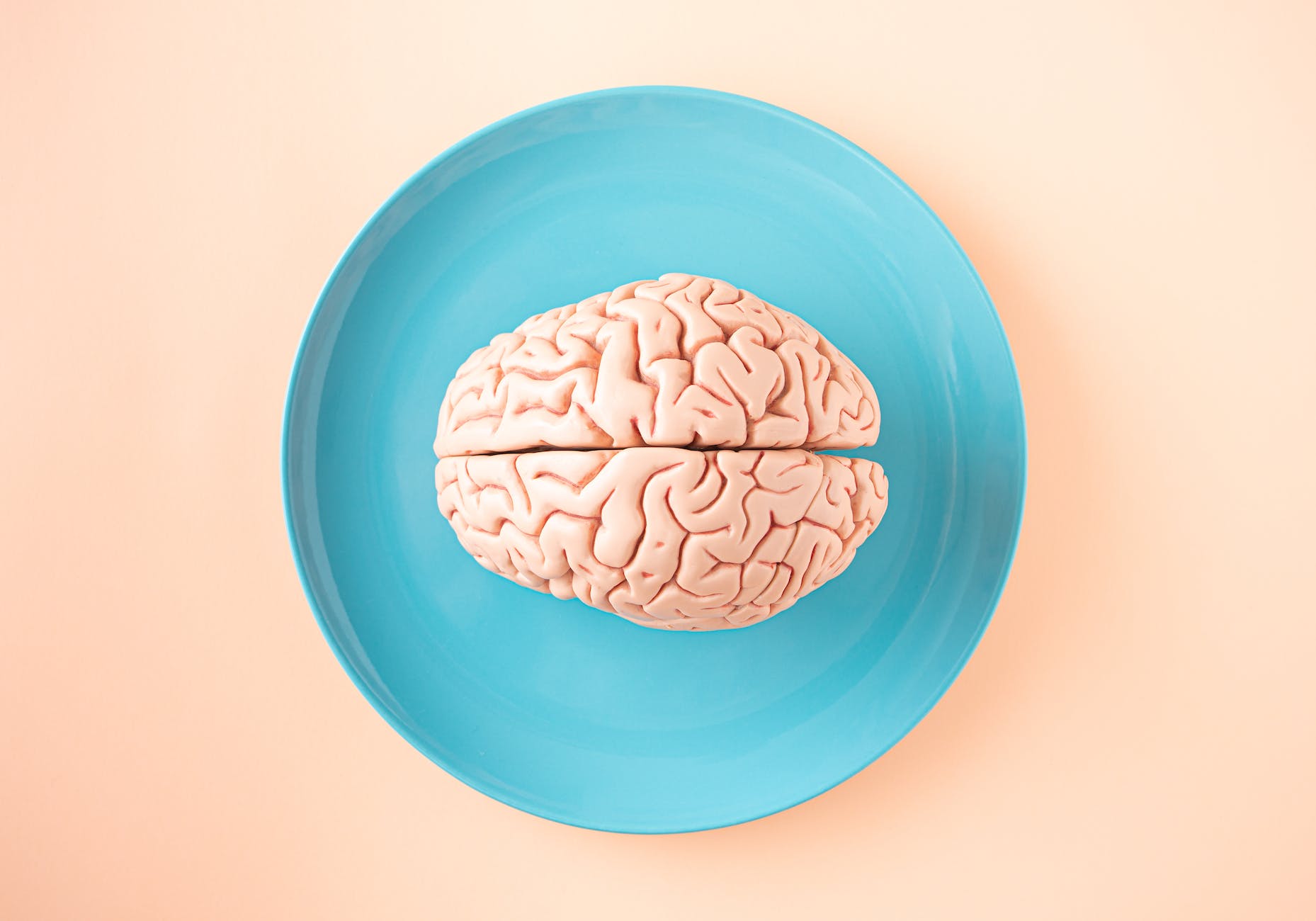
In a new study recently published in Psychiatry Research: Neuroimaging, researchers from Bartin University and Istanbul Medipol University in Turkey shed light on the intricate connection between depression and cognitive function, specifically visuospatial memory. This study shows that depression can affect more than just emotional symptoms. It can also affect cognitive abilities, possibly leading to changes in the brain’s structure and function, especially in the prefrontal cortex and deeper parts like the amygdala.

Photo by Amel Uzunovic on Pexels.com

Previous studies had mixed results on how depression affected cognitive abilities and brain activity during cognitive tasks. This is what motivated Ozge Vural Keleş and Erol Yıldırım to look into these problems more.

To explore the relationship between depression and visuospatial working memory, the researchers administered the Beck Depression Inventory (BDI) to 501 volunteer university students and graduates. The study included 23 individuals with high depression scores and 20 with low depression scores, with similar ages and education levels in both groups.

Participants engaged in a visuospatial 2-back working memory task, assessing their working memory performance. This task required remembering the location of visual stimuli (faces or words) within a circular display and determining if the current stimulus matched the one presented two steps back in the sequence (the “2-back” condition). Functional near-infrared spectroscopy (fNIRS) was used to record brain responses in the prefrontal cortex during the task.

Surprisingly, the results indicated no significant behavioral differences between the high and low BDI groups, suggesting that visuospatial memory abilities were similar in both groups. However, fNIRS showed that people with high BDI scores had more activity in the right dorsolateral prefrontal cortex while they were doing the task compared to people with low BDI scores. This suggests that the high BDI group exerted additional effort to achieve similar performance.

Although the study has some limitations, such as the lack of an official clinical diagnosis in the high BDI group and the relatively low task difficulty, it provides valuable insights into the relationship between depression and cognitive function. The findings highlight the complexities of depression’s impact on cognitive abilities and offer new avenues for future research in this field. Understanding these complexities is crucial for providing better support and interventions for individuals dealing with depression.

Cited Works:

Setionago, Bianca. “Depression Linked to Increased Frontal Brain Activity during Memory Tasks, Finds New Research.” PsyPost, October 20, 2023. https://www.psypost.org/2023/10/depression-linked-to-increased-frontal-brain-activity-during-memory-tasks-finds-new-research-214075?fbclid=IwAR2bAybaQYAO_cG9OAMNgA8DdauoLIdDzy8YJrdtDWk1dS6u8GurzZ4V-7o.

Temporary Relief Granted: Trump’s Gag Order Freeze and the First Amendment Challenge

In a recent legal development, U.S. District Judge Tanya S. Chutkan temporarily halted a narrow gag order imposed on former President Trump in the 2020 federal election case. The significance of this decision lies in the broader context of the ongoing legal challenges faced by the 2024 GOP presidential candidate and the intricacies of First Amendment rights.

In response to the previous order, which they deemed to be “breathtakingly overbroad,” Trump’s legal team requested a temporary stay and a reevaluation of the gag order. The order, issued earlier this week, restrained Trump from making public statements that targeted Special Counsel Jack Smith, his staff, witnesses, or court staff. According to the order, these statements posed serious threats to the integrity of the proceedings, necessitating such restrictions.

Smith had initially proposed a “narrowly tailored” gag order, arguing that Trump’s public statements aimed to undermine confidence in the criminal justice system and potentially prejudice the jury pool through disparaging and inflammatory attacks on those involved in the case. The court’s decision to grant a temporary stay allows Trump’s lawyers additional time to present their arguments and seek clarification on the constraints imposed by the order.

While it remains uncertain how long the process of appealing the gag order might take, the case itself underscores the delicate balance between First Amendment rights and ensuring fair legal proceedings. It is a reminder that the boundaries of free speech are not absolute, particularly when public statements may affect the course of justice.

Earlier on the same day, in a separate case, Judge Arthur Engoron presiding over Trump’s New York civil fraud trial, imposed a $5,000 fine on the former president for violating the gag order. Although he stopped short of holding Trump in contempt, he did warn that future violations, whether intentional or unintentional, could result in more severe penalties, including possible jail time.

As the legal battles continue, this case sheds light on the complexities surrounding freedom of speech and its limitations, especially when intertwined with the legal process and concerns about prejudicing fair trials. The temporary stay offers an opportunity for further examination of these legal and constitutional nuances, making it a case to watch for those interested in the intersection of politics, law, and the First Amendment.

Cited Works:

Miranda, Shauneen. “Judge Temporarily Lifts Trump Gag Order in Federal Election Case.” Axios, October 21, 2023. https://www.axios.com/2023/10/21/trump-gag-order-election-case-chutkan-freeze?fbclid=IwAR0eTWKd3UoBtuMrPjL6zK_lRwEL-f3Fjv-u4U7mB_EQ2893gMq3bFw7wbM.

Insomnia’s Toll On The Heart: Study Highlights Cardiovascular Event Risks

Introduction:
Insomnia, that relentless companion of sleepless nights, has long been associated with various health issues. However, a recent study published in PLoS ONE sheds light on a concerning link between insomnia and cardiovascular health. In this meta-analysis, researchers delve into the world of sleeplessness to evaluate its impact on cardiovascular events. Let’s explore the implications of this study and what it means for those grappling with insomnia.

Insomnia: A Common, Global Concern:
Insomnia isn’t just an occasional bout of poor sleep; it’s a widespread sleep disorder and ranks as the second most prevalent psychiatric disorder globally. People living with insomnia endure not only restless nights but also a heightened risk of various health problems, including cardiovascular disease.

Understanding the Risk Factors:
Before we dive into the study’s findings, let’s consider some of the factors that make insomnia a potential precursor to cardiovascular issues. Hypertension, metabolic disorders, and diabetes mellitus are known risk factors for both insomnia and cardiovascular disease. The interplay between these factors and their cumulative impact on health forms the backdrop for this investigation.

The Research Endeavor:
Given the limited research on how insomnia affects cardiovascular outcomes, a comprehensive meta-analysis was deemed necessary. Researchers embarked on a quest for real-world data, aiming to establish a clear connection between insomnia and cardiovascular events. The primary outcomes under scrutiny were myocardial infarction (heart attacks) and cardiovascular mortality. Secondary outcomes included all-cause deaths and the incidence of cardiovascular disease.

A Methodical Approach:
To build a robust dataset, the research team cast a wide net, scouring databases like PubMed/MEDLINE, Cochrane Library, and Google Scholar. Their search spanned until August 2022 and included studies that compared predefined cardiovascular outcomes among individuals grappling with insomnia. Importantly, only records related to adults, observational studies, and secondary evaluations of original research were included.

Not All Records Make the Cut:
The researchers meticulously screened records, excluding studies involving animals or children, along with case-control studies, case reports, and case series. They also rejected studies that lacked comparators or controls. This stringent selection process ensured that the analysis focused solely on insomnia and related symptoms, such as difficulties in sleep initiation, maintenance, early morning awakening, and non-restorative-type sleep.

Revealing the Link:
The analysis ultimately comprised 21 records, encompassing data from 388,906 individuals with insomnia and 2,194,211 disease-free individuals, with an average age of 59 years. The duration of follow-up ranged from three to 20 years. The study’s findings were both compelling and concerning.

Elevated Risks:
Individuals battling insomnia faced significantly greater risks of cardiovascular mortality and myocardial infarction. Alarmingly, the risks weren’t limited to these critical outcomes. All-cause death risks and the incidence of cardiovascular disease were also substantially higher among insomniacs. The risk ratios (RR values) for these adverse events were notably higher among individuals with insomnia.

Long-Term Implications:
Digging deeper into the data, the researchers observed that insomnia was linked to increased long-term risks. When analyzing follow-up periods of 10 to 20 years, they found that all-cause deaths were notably higher among individuals with insomnia. These trends were consistent with the overall results, underscoring the enduring impact of sleeplessness on cardiovascular health.

Reducing Heterogeneity:
In a sensitivity analysis, the researchers excluded studies that were underpowered or failed to account for confounding variables. This led to a reduction in heterogeneity within the dataset, further solidifying the study’s conclusions. Importantly, there was no evidence of publication bias, enhancing the credibility of the findings.

Exploring the Mechanisms:
The study didn’t stop at highlighting the risks but delved into potential mechanisms. The renin-angiotensinogen-aldosterone system, among others, was implicated in increasing mortality risk among insomniac patients. Psychological disorders like depression and anxiety, along with higher rates of self-harm and suicide, contributed to this association. The study also suggested that the hypothalamic-pituitary axis, abnormal changes in the autonomic nervous system, higher activity in the sympathetic nervous system, systemic inflammation, and atherosclerosis may be involved.

Implications for Clinical Practice:
The implications of this research are profound. It emphasizes the importance of evaluating cardiovascular risks in individuals with insomnia. Healthcare providers should adopt a comprehensive approach, considering not only sleep-related issues but also coexisting risks like coronary artery disease and smoking. Identifying and addressing insomnia early can be a crucial step in preventing cardiovascular events.

The Way Forward:
As we move forward, the study encourages further research. Adequately powered observational studies, meticulously controlled for confounding risk factors and sleep disorders, are needed. This deeper understanding can lead to improved treatments tailored to mitigate the cardiovascular risks associated with insomnia.

Conclusion:
This thorough meta-analysis has shown that the heart’s toll from insomnia is a stark reality. As we uncover the intricate links between sleeplessness and cardiovascular health, it becomes clear that addressing insomnia is necessary.

Cited Work

News-Medical.net. “Insomnia’s Toll on the Heart: Study Highlights Cardiovascular Event Risks,” September 26, 2023. https://www.news-medical.net/news/20230926/Insomnias-toll-on-the-heart-study-highlights-cardiovascular-event-risks.aspx?fbclid=IwAR3EnYxETlfcWF2ka4NXFUE5mV_CsVfW2ZnhkulGiuCjOXQB1LQpihKmrqw.

Does blood pressure reading vary significantly when taken in a lying down position?

Blood Pressure Reading May Differ When Taken Lying Down

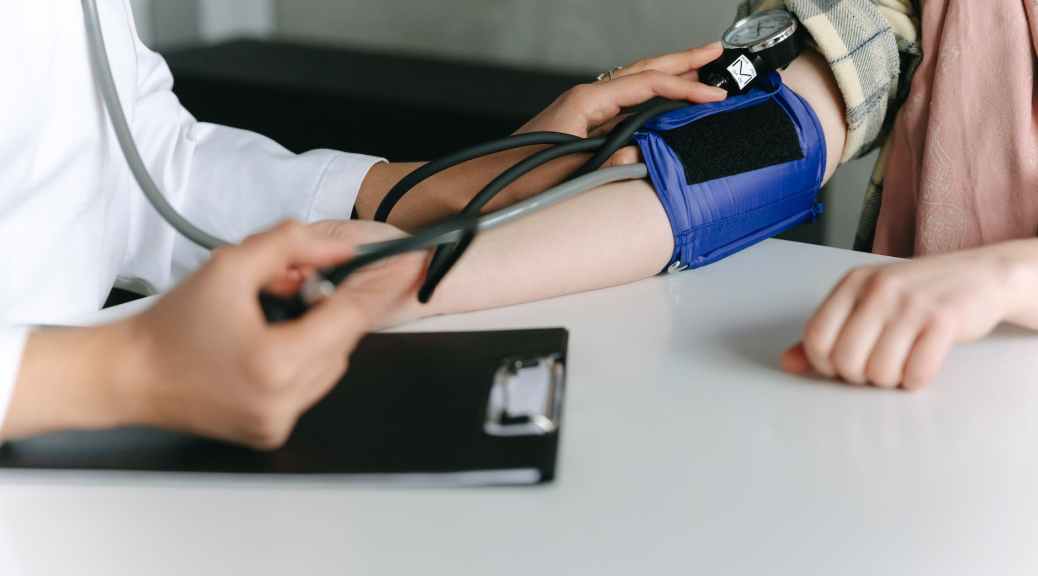
Getting your blood pressure taken is a routine part of any visit to the doctor’s office. But did you know that the position you’re in during the measurement can impact the results significantly? Recent research suggests that having your blood pressure taken while lying down may provide more accurate readings and better predictions of certain health risks.

Why Your Position Matters

The American Heart Association presented findings that shed light on how the physical position during a blood pressure measurement can affect the readings and, consequently, our understanding of health risks. The study revealed that adults who exhibited high blood pressure while sitting upright and lying flat on their backs had a higher risk of stroke, heart failure, premature death, and heart disease compared to those who didn’t have high blood pressure in either position.

Surprisingly, adults who had high blood pressure readings while lying down but not while sitting upright faced similar risks as those with high blood pressure in both positions. These findings emphasize the importance of considering blood pressure readings in different positions to gain a more comprehensive understanding of cardiovascular health.

Surprising Results

The lead author of the study, Duc M. Giao, a researcher and medical student at Harvard Medical School, expressed surprise at the potent predictive power of supine (lying down) blood pressure for cardiovascular disease events. This unexpected discovery challenges the traditional practice of measuring blood pressure while patients are seated.

Understanding the Discrepancy

While these results may raise questions about the accuracy of blood pressure measurements in different positions, it’s essential to clarify that healthcare providers are not necessarily doing something wrong by measuring blood pressure while patients are sitting up. The discrepancy observed in some individuals between blood pressure readings in the seated and supine positions may be due to specific circumstances affecting those individuals.

Takeaway for Patients

For patients, the key takeaway is that high blood pressure remains a critical indicator of cardiovascular health. Identifying high blood pressure is a crucial step in cardiovascular intervention. However, there’s no one-size-fits-all approach to measuring blood pressure in different positions. While these findings suggest that it might be worthwhile for some individuals to have their blood pressure taken while lying down, it’s essential to consider individual circumstances.

Future Research

In the future, researchers plan to compare supine blood pressure measurements taken in clinical settings with those obtained overnight. This will provide further insights into the variations in blood pressure readings and help refine our understanding of how different factors can influence these readings.

Keeping It Simple

While it’s valuable to be aware of the potential differences in blood pressure readings based on position, it’s also crucial not to overcomplicate the process for patients. Monitoring your numbers regularly, including your blood pressure, remains an essential part of understanding your risk of heart disease. Your healthcare provider can guide you on the best approach for measuring and managing your blood pressure based on your unique health profile.

In conclusion, while the position during blood pressure measurement may impact readings, the focus should remain on early detection and intervention for high blood pressure—a crucial aspect of cardiovascular health management.

Cited Work

Mastroianni, Brian. “High Blood Pressure Readings Taken While Lying Down May Better Predict Heart Health Issues.” Health, September 25, 2023. https://www.health.com/blood-pressure-reading-lying-down-7971756.

Beware: AI Can Steal Your Passwords by Listening to Keystrokes with 95% Accuracy

As highlighted in a recent report, researchers from Durham University in the United Kingdom have recently conducted a pioneering experiment that provides valuable insights into the advancing capabilities of artificial intelligence (AI). The researchers utilized a 16-inch MacBook Pro laptop as their experimental platform, employing an artificial intelligence (AI) device to capture and analyze the auditory patterns produced by keystrokes, thereby acquiring knowledge of the distinct acoustic signature associated with each typed letter. The study’s findings have garnered attention due to the impressive performance of the AI model. Specifically, the model achieved an accuracy rate of 95% in accurately classifying recorded keystrokes. It is worth noting that the model achieved this high accuracy when positioned at a distance comparable to what one would typically find in a coffee shop setting.

The lead researcher, Joshua Harrison, conveyed his astonishment regarding the findings and underscored the potential ramifications for cybersecurity. Harrison disclosed that our developed and trained model achieved a classification accuracy of 95% when applied to the keystrokes recorded on a mobile device near a laptop. The disclosure of this information has raised apprehensions regarding the susceptibilities inherent in our routine digital engagements.

Nevertheless, it is essential to note that researchers are advising against the immediate onset of widespread panic. Harrison observed that preexisting countermeasures are available to safeguard against such attacks, necessitating individuals to be cognizant of these measures in their day-to-day activities. Using biometric authentication methods, such as fingerprint scanning or facial recognition technology, to unlock electronic devices provides additional security that effectively thwarts password-stealing attempts facilitated by artificial intelligence.

This report is presented in light of the growing discourse surrounding the exponential growth of artificial intelligence (AI) and the associated risks it poses. In a recent gathering, technology industry leaders and senators came together in a private setting to discuss and deliberate upon the challenges artificial intelligence (AI) presented. The United States Congress and the Executive Branch have encouraged technology companies to adopt protective measures for this groundbreaking technology.

Michael Chertoff, the former United States Secretary of Homeland Security, underscored the importance of promptly establishing safety principles for artificial intelligence (AI) technologies. He emphasized the urgency to tackle apprehensions about deepfakes and manipulated videos. AI stealing passwords serves as a reminder of the pressing need for proactive measures to safeguard our digital identities and personal information within an ever-expanding AI-dominated landscape.

In 2019, the Czech Republic’s Armed Forces, specifically the Czech Air Force’s 22nd Helicopter Base in Namest nad Oslavou, dispatched a Black Hawk helicopter to the prestigious Globsec Security Forum. The Middle East and North Africa (MENA) region has been the subject of a comprehensive report.

Cited works
. https://www.coresecurity.com/blog/getting-inside-mind-attacker-part-5-final-words-advice

Czech Republic : The CSG Sends A Black Hawk Helicopter To The Globsec Security Forum. (2019). MENA Report.

Access Control Systems – 5 Common Misconceptions. https://www.tridon.com/5-common-misconceptions-about-access-control-systems-2/

Belgium : Middle East and refugees debates with Mogherini, Stoltenberg, MEPs and MPs. (2016). MENA Report, n/a.

Shafer, Brooke. “Study: AI Can Steal Passwords with 95% Accuracy.” NewsNation, September 15, 2023. https://www.newsnationnow.com/business/tech/study-ai-steal-passwords-95-percent-accuracy/?fbclid=IwAR2zl8kaCQgz2nwbMpL72mkOcTE2RLUDQWO5hZPCU10phpntFUiq2XwEO_o.

Study Examines Brain Activity in Near-Death Experiences: Shedding Light on the Mysteries of the Mind at the Brink of Death

Introduction
Near-death experiences (NDEs) have long been fascinating, controversial, and debated. There have been reported descriptions of bright lights, heavenly realms, and out-of-body occurrences on the brink of death, but scientific explanations have been hard to come by. A groundbreaking study now offers an in-depth look into the brain activity during these experiences, opening the door for a new understanding of consciousness, mortality, and perhaps even the soul.

The Study
The research involved monitoring the brain activity of critically ill patients with life-threatening conditions. Using state-of-the-art EEG (Electroencephalogram) equipment, scientists could document and analyze fluctuations in brain activity during moments when patients were close to death. The results were as intriguing as they were unexpected.

Findings
The study found heightened activity in specific brain parts, particularly regions associated with memory, sensory perception, and self-awareness. The study showed spikes in brain activity rather than a decrease in brain function, as one might anticipate near the end of life. These findings challenge the conventional notion that consciousness dims as one approaches death, suggesting a heightened state of awareness instead.

Skepticism and Criticisms
These findings only persuade some people. Skeptics question the methodology and wonder if the heightened brain activity could result from other factors like medication or physiological changes as the body shuts down. Some critics argue that while the study may offer insights into brain function, it does not necessarily explain the phenomenological aspects of NDEs, like seeing departed loved ones or feeling a sense of peace.

Implications for Science and Spirituality
Regardless of one’s stance on the topic, the study opens new avenues for exploring consciousness and could potentially reconcile spiritual beliefs with scientific inquiry. The heightened brain activity observed in near-death situations could imply that our understanding of consciousness, and possibly spirituality, is far more complex than we currently perceive.

Future Research
Given the profound implications, it is unsurprising that follow-up research is already in the pipeline. Future studies may expand on these initial findings by including a larger sample size, employing more rigorous methods, and investigating cultural and individual beliefs’ roles in shaping near-death experiences.

Conclusion
As we delve deeper into the mysteries of the brain and consciousness, studies like this make it increasingly clear that we are only scratching the surface of understanding. Examining brain activity in near-death experiences challenges our existing paradigms and asks us to reconsider our notions of life, death, and what lies in between. Whether you approach this subject from a scientific, spiritual, or skeptical standpoint, one thing is sure: the journey to understanding the complexities of the human experience is far from over.
Cited Works
Paul Williams, DDS, Dentistry Sleeping Away Your Stress Is the Ideal Way to Lower Anxiety, a Berkeley Study Finds. https://paulwilliamsdds.com/sleeping-away-your-stress-is-the-ideal-way-to-lower-anxiety-a-berkeley-study-finds/

Owens, J., Emily W. Cook, and Ian Stevenson. “Features of” near-death experience” in relation to whether or not patients were near death.” The Lancet 336, no. 8724 (1990): 1175–1175.

Beauregard, Mario, Jérôme Courtemanche, and Vincent Paquette. “Brain activity in near-death experiencers during a meditative state.” Resuscitation 80, no. 9 (2009): 1006–1010.

Is the “Spirituality Revolution” genuinely democratizing spiritual experiences for all, or is it diluting traditional spiritual and religious practices by making them more commercial and superficial?

The Spirituality Revolution: No Longer Just for the Religious

There has been a notable change in the societal perception of spirituality in recent years. The era in which spirituality was limited to religious traditions, sacred texts, and monasteries has passed. This issue is of global significance today, impacting individuals regardless of their religious beliefs. This phenomenon, commonly referred to as the “Spirituality Revolution,” is a spontaneous societal movement that acknowledges the significant impact of spirituality on various aspects of life, including health, community, and overall well-being.

Broadening The Definition of Spirituality

Historically, spirituality has been closely associated with religious beliefs and practices. The study focused on the influence of intergenerational transmission of doctrines and customs on individuals’ connections with divine power. Modern spirituality is becoming more individualized. The process of self-discovery is commonly regarded as a personal endeavor aimed at comprehending one’s inner being, the interdependence of all living entities, and the enigmas of the cosmos.

The Healing Powers of Spirituality

The field of medical research is increasingly acknowledging the longstanding understanding among many spiritual traditions about the profound connection between the spiritual and physical realms. A substantial body of research indicates that engaging in spiritual activities, including meditation, mindfulness, and prayer, may benefit mental and physical well-being. These practices can potentially decrease stress levels, enhance concentration, and perhaps positively impact several diseases, including depression and chronic pain.

Community Building and Social Bonds

The new spirituality revolution is not just about individual enlightenment or well-being. It also has communal aspects. Spiritual awareness often fosters a greater sense of community and belonging. Whether it is a yoga class, a meditation group, or a non-religious spiritual gathering, these new “congregations” serve as platforms where like-minded individuals can come together, share, and grow.

Navigating Life’s Challenges

Life is fraught with challenges that can be daunting to navigate alone. Spirituality often provides the framework to understand and manage life’s complexities. Whether it is the loss of a loved one, career challenges, or global crises, a spiritual perspective can offer a bigger picture and a different viewpoint, enabling resilience and a deeper understanding of life events.

The Future of the Spirituality Revolution

This new focus on spirituality is not a fleeting trend but a lasting shift in societal values. The spirituality revolution can profoundly change how society approaches life, health, and community. However, like any significant societal shift, it also comes with its own set of challenges. The commercialization of spirituality, the potential for superficial engagement, and the risk of cultural appropriation are issues that must be navigated carefully.

In conclusion, the spiritual revolution is democratizing what was once the realm of religious traditions and specialists. Its effects are far-reaching and touch upon various aspects of life, including mental and physical health, community building, and individual well-being. As society continues to evolve, it is clear that spirituality will remain an essential part of the human experience, accessible to all and not just a select few.

Cited Works
Tacey, David John. The Spirituality Revolution: The Emergence of Contemporary Spirituality Psychology Press, 2004.

Unveiling the Secrets of K2-18 b: The James Webb Space Telescope’s Intriguing Findings on a Distant Exoplanet

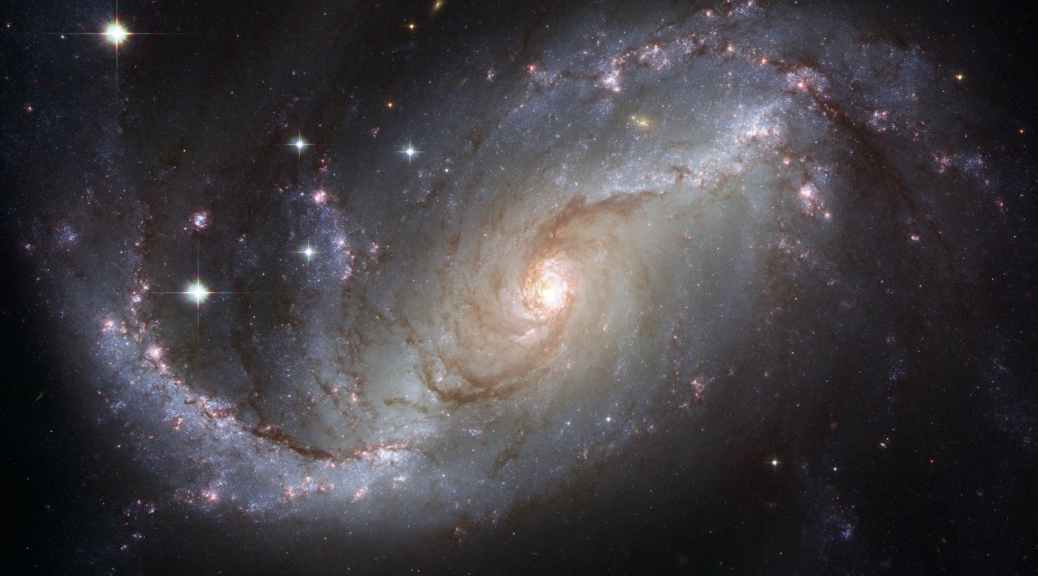
The James Webb Space Telescope (JWST) has given astronomers and scientists a new perspective on life beyond Earth. NASA confirmed in a recent release that the telescope had identified possible signs of life emanating from K2-18 b, an Earth-like exoplanet that is 8.6 times the mass of our planet.

The Enigmatic K2-18 b

K2-18 b is not just another exoplanet in the vast universe; it lies 120 light-years from Earth in the constellation Leo. This celestial body orbits in what is known as the “habitable zone” of its host star, a cooler dwarf star named K2-18. The planet is categorized as a “Mini-Neptune,” which presents a particular enigma for astronomers because it does not resemble any planetary bodies in our solar system.

Intriguing Observations

What makes the recent JWST investigation so remarkable are the findings related to the composition of K2-18 b’s atmosphere. Researchers found “carbon-bearing molecules,” including methane and carbon dioxide. Such discoveries are significant because they add weight to the theory that K2-18 b could be a Hycean exoplanet with a hydrogen-rich atmosphere and potentially a water-covered surface.

The James Webb Space Telescope’s observations go beyond confirming existing theories. NASA reported the possible detection of a molecule known as dimethyl sulfide (DMS). Only life on Earth can produce this molecule, and phytoplankton in marine environments is where most of the DMS in Earth’s atmosphere comes from.

Changing the Narrative

It was just in 2019 that NASA’s Hubble Space Telescope first investigated K2-18’s atmosphere, and those initial studies already had significant implications. “Our findings underscore the importance of considering diverse habitable environments in the search for life elsewhere,” stated Nikku Madhusudhan, the lead author of the paper announcing these new results and an astronomer at the University of Cambridge.

Looking Ahead

According to team member Savvas Constantinou, also of the University of Cambridge, the discoveries are based on just two observations of K2-18 b. “This means our work here is but an early demonstration of what Webb can observe in habitable-zone exoplanets,” he explained. As the James Webb Space Telescope continues to peer into the far reaches of space, scientists hope for more insights that could fundamentally reshape our understanding of life beyond Earth.

Conclusion

The recent findings about K2-18 b create a ripple effect in the scientific community. While the search for life in the universe has always been a subject of interest, discoveries like these reignite the conversation and fuel the imagination. If nothing else, the observations made by the JWST highlight the vast possibilities that await us in the unexplored corners of our universe.

Cited Works:
Shannon, Bill. “James Webb Telescope Stumbles Upon Signs of Possible Life on an Earth-like Planet.” NewsNation, September 13, 2023. https://www.newsnationnow.com/space/james-webb-telescope-stumbles-onto-signs-of-possible-life-on-earth-like-planet/?fbclid=IwAR16ML0LF0PFDduPnJYtS6opGujHoFXUAszne7S1SYvvMST5bsaEFyLgv2c.