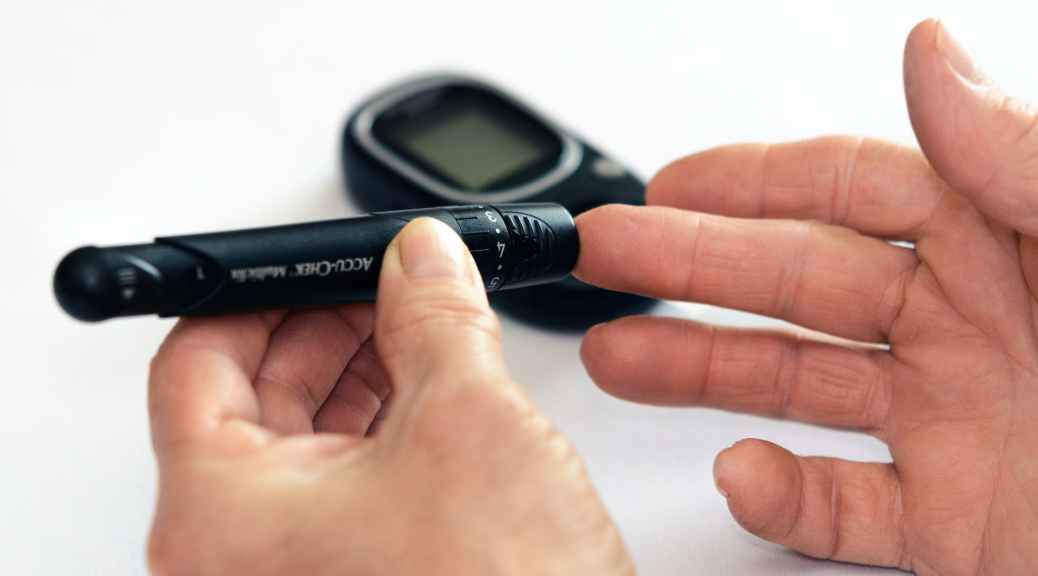
Tag Archives: Prevention

How Does Early Diagnosis Impact Life Expectancy in Diabetes?

The Impact of Early Diagnosis on Life Expectancy in Diabetes

In the contemporary era of heightened health awareness, individuals are often exposed to alarming statistical data. However, few findings capture our attention as profoundly as the most recent research investigating the relationship between diabetes and life expectancy. The findings of new research published in the journal Diabetes and Endocrinology shed light on the significant impact of the age at which an individual is diagnosed with diabetes on their overall life expectancy.

The statistics are alarming

In 2021, there will be a global incidence of diabetes among 537 million adults. Among the individuals, there has been a noticeable increase in the proportion of young people. According to somber prior research, people with type 2 diabetes tend to die younger than their non-diabetic counterparts by about six years. So far, there has been a dearth of research examining the influence of age on diabetes diagnosis and life expectancy.

The findings of recent research studies

This research comprehensively analyzed population-based data from nineteen high-income nations, using two prominent data sources—the Emerging Risk Factors Collaboration (ERFC) and the UK Biobank. The researchers have made a significant finding, indicating that for each decade by which an individual obtains a diabetes diagnosis at an earlier stage, there is a corresponding reduction of around three to four years in their overall life expectancy.

Consider the following: Was the individual diagnosed at the age of 30? Individuals with diabetes are at an increased risk of experiencing a reduced lifespan of around 14 years compared to those without diabetes. Was the individual diagnosed at the age of 40? One’s lifespan is diminished by around ten years. The veracity of these figures is indisputable.

The Frightening Connections

The investigation also revealed that early identification of diabetes significantly amplifies mortality rates associated with vascular and non-neoplastic ailments, encompassing various situations such as strokes and respiratory disorders. Females have a somewhat elevated susceptibility compared to males, and those diagnosed at a younger age encounter increased fatality rates.

In order to achieve meaningful results, it is essential to take action rather than relying just on verbal expressions. While words may convey intentions and ideas, they alone cannot bring tangible outcomes. By actively engaging in actions that align with our goals and

These results must be considered. The study emphasizes the pressing need to formulate and execute preventive measures, specifically focusing on the younger adult population. This report serves as a compelling reminder that an early diagnosis of diabetes is strongly associated with a significantly reduced lifespan. As health awareness continues to grow, research has shown that an early diagnosis of diabetes can have a significant impact on overall life expectancy. According to recent studies, people diagnosed with type 2 diabetes tend to die six years earlier than their non-diabetic counterparts. However, a new study published in the journal Diabetes and Endocrinology has revealed that the age at which an individual is diagnosed with diabetes significantly impacts their overall life expectancy.

The study analyzed population-based data from nineteen high-income countries using the Emerging Risk Factors Collaboration (ERFC) and the UK Biobank. The results are alarming, showing that for each decade by which an individual obtains a diabetes diagnosis at an earlier stage, there is a corresponding reduction of around three to four years in their overall life expectancy.

For example, an individual diagnosed with diabetes at age 30 is at an increased risk of experiencing a reduced lifespan of around 14 years compared to those without diabetes. Similarly, an individual diagnosed with diabetes at 40 will experience a reduced lifespan of around ten years. The study also revealed that early identification of diabetes significantly amplifies mortality rates associated with vascular and non-neoplastic ailments, such as strokes and respiratory disorders.

Females have a somewhat elevated susceptibility compared to males, and those diagnosed at a younger age encounter increased fatality rates. It is, therefore, essential to take action and implement public health measures that demonstrate efficacy in preventing or postponing the onset of diabetes. The study emphasizes the pressing need to formulate and execute preventive measures, specifically focusing on the younger adult population.

It is time to enhance consciousness, promote the need for transformation, and implement strategic measures to address the challenges posed by diabetes effectively. We must prioritize and take action to prevent and postpone the onset of diabetes to restore a significant amount of life. The lives of individuals are at stake, and we must not delay any further.

While the text emphasizes the pressing need to formulate and execute preventive measures, it does not specify the measures. It would be helpful to know what specific actions can be taken to prevent or postpone the onset of diabetes.

The need to take action is evident. There is a pressing need to implement public health measures that demonstrate efficacy in preventing or postponing the onset of diabetes. It is essential to enhance consciousness, promote the need for transformation, and implement strategic measures to address the challenges posed by diabetes effectively. The lives of individuals are at stake. The objective is focused on preventing a particular ailment and restoring a significant amount of lifespan. We must refrain from delaying any more.

Cited Works:

Estimating life expectancy based on the age of type 2 diabetes diagnosis. (2023, September 13). News-Medical.net. https://www.news-medical.net/news/20230913/Estimating-life-expectancy-based-on-the-age-of-type-2-diabetes-diagnosis.aspx


Seven Lifestyle Factors that Can Help Fight Depression: A Breakthrough Study

Introduction:
Depression is a global epidemic that affects millions of people worldwide. While genetics has long been considered a significant factor in determining one’s susceptibility to depression, a groundbreaking study published in Nature Mental Health suggests that our lifestyle choices can profoundly impact reducing the risk of mental illness. An international team of researchers, including specialists from Fudan University in China and the University of Cambridge, conducted the study, which sheds light on seven crucial lifestyle factors that may be even more effective than genetics in preventing depression.

Photo by Alex Green on Pexels.com

The Power of a Healthy Lifestyle
To understand depression better, researchers turned to a vast biomedical database, the UK Biobank, which contains anonymized data on genetics, brain structure, and lifestyle factors. This study analyzed data from 290,000 individuals, with 13,000 experiencing depression during the past nine years.

Seven Lifestyle Factors for a Reduced Risk of Depression:

  1. Moderate Alcohol Consumption: The study recommends moderate alcohol consumption as part of a healthy lifestyle. While excessive alcohol intake can contribute to depression, moderate consumption was associated with a lower risk.
  2. Healthy Diet: A well-balanced diet is crucial to mental health. Nutrient-rich foods can positively affect brain function and reduce the risk of depression.
  3. Regular Physical Activity: Exercise has long been recognized for its mood-boosting benefits. Incorporating regular physical activity into one’s routine can significantly reduce the risk of depression.
  4. Healthy Sleep: Perhaps the most significant finding was the impact of a good night’s sleep. Regularly getting between seven and nine hours of sleep reduced the risk of single depressive episodes and treatment-resistant depression by 22 percent.
  5. Frequent Social Connection: Building and maintaining strong social connections significantly protected against recurring depression, reducing the risk by 18 percent.
  6. No Smoking: Smoking has numerous detrimental physical and mental health effects. Quitting smoking is an essential step in reducing the risk of depression.
  7. Avoiding Sedentary Behavior: Prolonged periods of inactivity can negatively impact mental health. Staying active and avoiding excessive sedentary behavior is crucial to maintaining good mental health.

Lifestyle Trumps Genetics:
The study revealed that lifestyle factors may be more significant in determining depression risk than genetics. While genetics certainly play a part, adopting a healthy lifestyle can substantially reduce the risk of depression. Those who adhered to most of the recommended lifestyle factors were 41 percent less likely to develop depression. In comparison, those in the “favorable” lifestyle group saw a remarkable 57 percent reduction in risk.

The Role of Genetics:
Although genetics does influence depression risk, its impact is relatively minor compared to lifestyle choices. Individuals with a lower genetic risk score were only 25 percent less likely to develop depression than those with a high-risk score. This emphasizes the importance of adopting a healthy lifestyle as a proactive measure.

The specific lifestyle factors that were studied in the research on depression risk reduction are:

  1. Moderate Alcohol Consumption: The study suggested that moderate alcohol consumption can be part of a healthy lifestyle. It is important to note that excessive alcohol intake can harm mental health, so moderation is key.
  2. Healthy Diet: A well-balanced diet rich in essential nutrients was associated with a lower risk of depression. This typically involves consuming plenty of fruits, vegetables, whole grains, lean proteins, and healthy fats.
  3. Regular Physical Activity: Exercise has long been known to impact mental health positively. Regular physical activity, such as walking, jogging, or participating in sports, can help reduce the risk of depression.
  4. Healthy Sleep: Getting between seven and nine hours of sleep per night is crucial to reducing the risk of depression. Consistent, restful sleep is essential for maintaining good mental health.
  5. Frequent Social Connection: Building and maintaining strong social connections and relationships was identified as a significant protective factor against recurring depression. Regular social interaction can provide emotional support and a sense of belonging.
  6. No Smoking: Smoking is known to have detrimental physical and mental health effects. Quitting smoking is a vital step in reducing the risk of depression.
  7. Avoiding Sedentary Behavior: Prolonged periods of inactivity and excessive screen time were linked to a higher risk of depression. Staying physically active and reducing sedentary behavior can contribute to better mental health.

While these are the specific lifestyle factors that were studied and found to have a significant impact on depression risk, other lifestyle factors could also play a role in mental health. These could include:

  1. Stress Management: Chronic stress is a known risk factor for depression. Learning effective stress management techniques, such as mindfulness, meditation, or relaxation exercises, can be valuable in reducing the risk of depression.
  2. Limiting Exposure to Environmental Toxins Some environmental toxins, such as heavy metals or pollutants, have been linked to mental health issues. Minimizing exposure to these toxins through clean living practices can be beneficial.
  3. Balancing Work-Life: Maintaining a healthy work-life balance is essential for mental well-being. Overworking and excessive job-related stress can contribute to depression.
  4. Access to Mental Health Support: Seeking professional help through therapies like cognitive-behavioral therapy (CBT) or medications like selective serotonin reuptake inhibitors (SSRIs) can be critical for individuals already experiencing depression. Early intervention is vital to effective treatment.
  5. Mindfulness and Positive Psychology: Mindfulness meditation and positive psychology techniques can enhance mental resilience and promote overall psychological well-being.
  6. Limiting Exposure to Negative Media: Constant exposure to negative news and social media can contribute to feelings of anxiety and depression. Managing media consumption and focusing on positive content can be helpful.

It is crucial to remember that lifestyle, environmental, and genetic factors all play a role in the complex condition of depression. While adopting a healthy lifestyle is crucial, individuals should also seek support and guidance from mental health professionals when needed. Reducing the risk of depression may require a holistic approach that includes lifestyle changes and access to appropriate mental health care.

Conclusion: The Shocking Truth Revealed!

Prepare to have your world turned upside down because groundbreaking research has exposed the seven lifestyle factors that could be driving you straight into the dark depths of depression. Brace yourself, as this eye-opening study suggests that your choices regarding alcohol consumption, diet, physical activity, sleep, social connections, smoking, and sedentary behavior may be setting the stage for mental health disaster. Forget about genetics for a moment, because it’s the everyday decisions you make that could be the real culprit behind your blues. With Professor Barbara Sahakian from the University of Cambridge declaring, “Some of these lifestyle factors are things we have a degree of control over,” it’s time to take a deep dive into your choices and make the necessary adjustments to save yourself from the clutches of depression. Are you ready to reclaim control of your life and banish depression for good?

Cited Works:

Li, Jinxu, Lu Tang, and Yunsha Pu. “My Story of Depression: A Content Analysis of Autobiographic Videos on Douyin.” Health Communication (2023): 1–9.

Correia, Ana Salomé, Armando Cardoso, and Nuno Vale. “Oxidative stress in depression: the link with the stress response, neuroinflammation, serotonin, neurogenesis, and synaptic plasticity.” Antioxidants 12, no. 2 (2023): 470.

Zhao, Ying, Yiran Tao, Xiwen Bao, Qiang Ding, Changyan Han, Tingkun Luo, Weijia Zhang, Jinhua Sun, and Jiali Shi. “A study on differences about the influencing factors of depressive symptoms between medical staff and residents during the 2022 city-wide temporary static management period to fighting against COVID-19 pandemic in Shanghai.” Frontiers in public health 10 (2023): 1083144.

Mental fatigue

“The collective way many people in the United States may feel now probably indicates mental fatigue,” said Stephen O’Connor, a clinical psychologist and head of the National Mental Health Suicide Prevention Research Program. “There’s a difference between being alone and feeling alone,” said John Draper, executive director of the National Suicide Prevention Lifeline. Here are some ways experts say you can be here for your loved ones, even if you can’t be there. It is possible to notice signs that someone is going through a difficult period, even if you do not interact in person, experts said.

Regular video calls can give you “eyes on the spot,” said Dan Reidenberg, CEO of Suicide Awareness Voices of Education. Reidenberg recommended asking targeted questions about the person’s behavior and home life if you feel that you cannot observe enough. It’s also important to pay attention to the “absence of things,” said Nadine Kaslow, a psychiatry and behavioral sciences professor at Emory University School of Medicine in Atlanta. If people ignore your phone calls and text messages and don’t post on social media as often as they used to, or refuse invitations to virtual holidays, Kaslow said it’s potentially a sign.

Standardize mental health conversations
Although one of the “silver linings” makes it more acceptable to talk about mental health, some people still find it challenging to open up, Kaslow said. “Everyone is kind of stressed out and burned out, so they don’t have the kind of mental resources to get involved,” said Kaslow, a former president of the American Psychological Association. Talking about mental health should be similar to asking people about their physical health, said Doreen Marshall, vice president of missionary involvement at the American Suicide Prevention Foundation. “We have to do the same thing about mental health conversations and say, ‘Hey, I’m watching you.’

Don’t be afraid to ask about self-harm or suicide.

Many people are reluctant to ask someone directly if they have been thinking about self-harm, Draper said. They may be afraid that he will cause insult or that he will put the idea in that person’s head.

Stay connected and watch
“A physical feeling, such as comfort, safety, and security, when someone is anxious and happy: ‘Oh, this is the person who is ultimately responsible for ensuring that I am safe. And they’re literally across the table, “Singer said. Even if you can’t be physical with someone who is having a hard time, there are many ways to remind them that they still have strong ties to the people who care for them, Draper said.
Reference:
How to talk to loved ones when you’re worried about their mental health. https://www.washingtonpost.com/lifestyle/wellness/mental-health-suicide-help-covid/2020/11/30/af45a7a6-2e88-11eb-96c2-aac3f162215d_story.html
