Tag Archives: eating

The Art of Mindful Eating: Nourishing Your Body and Soul

Healthy eating goes beyond selecting nutritious foods; it encompasses how you approach your meals and engage with your food. This concept is known as mindful eating, and it can transform your relationship with food and your overall well-being.

Mindful eating is the practice of being fully present during your meals. It involves savoring each bite, paying attention to your food’s colors, textures, and flavors, and listening to your body’s hunger and fullness cues. Here are some fundamental principles of mindful eating:

Eating without distractions: Turn off the TV, put away your phone, and create a peaceful environment for your meal. This allows you to focus on eating and fully enjoy your food.

Chewing slowly: Take the time to chew your food thoroughly. Not only does this aid in digestion, but it also allows you to savor the taste and texture of each bite.

Listening to your body: Pay attention to your body’s signals of hunger and fullness. Eat when you’re hungry and stop when you’re satisfied, not when your plate is empty.

Appreciating your food: Cultivate gratitude for the food on your plate. Consider where it came from, how it was prepared, and the nourishment it provides.

Recognizing emotional eating: Be mindful of emotional eating patterns, such as eating in response to stress or boredom. Instead, find healthier ways to cope with emotions, such as meditation or exercise.

Practicing mindful eating can have numerous benefits. It can help you develop a healthier relationship with food, reduce overeating, and promote better digestion. Additionally, it can enhance your appreciation for the culinary experience and improve your overall sense of well-being.

In conclusion, mindful eating is an essential component of healthy eating. By being fully present during your meals and savoring each bite, you can nourish your body and soul. It’s a practice that can transform how you approach food and lead to a more mindful and fulfilling life.
Overcoming Social and Emotional Eating Challenges

Healthy eating can face challenges from social and emotional influences, such as stress, celebrations, and peer pressure. Recognizing these hurdles and developing effective strategies to navigate them is essential.

Emotional eating, for example, involves turning to food for comfort during stress or sadness. Instead of relying on food, consider alternative coping mechanisms like exercise, meditation, or seeking support from friends and family. When it comes to social settings, communicate your dietary preferences and goals with others to make healthier choices together.

Understanding and addressing social and emotional eating challenges empowers you to maintain a balanced diet and develop healthier ways to cope with life’s ups and downs.

Citation:

Danowski, D. (2013). Why Can’t My Child Stop Eating?: A Guide to Helping Your Child Overcome Emotional Overeating. Central Recovery Press, LLC.

Kaipainen, K., Payne, C. R., & Wansink, B. (2012). Mindless Eating Challenge: retention, weight outcomes, and barriers for changes in a public web-based healthy eating and weight loss program. Journal of medical Internet research14(6), e2218.

Dayal, H., Weaver, K., & Domene, J. F. (2015). From shame to shame resilience: Narratives of counselor trainees with eating issues. Qualitative Health Research25(2), 153-167.

Diet for Longevity and Good Health

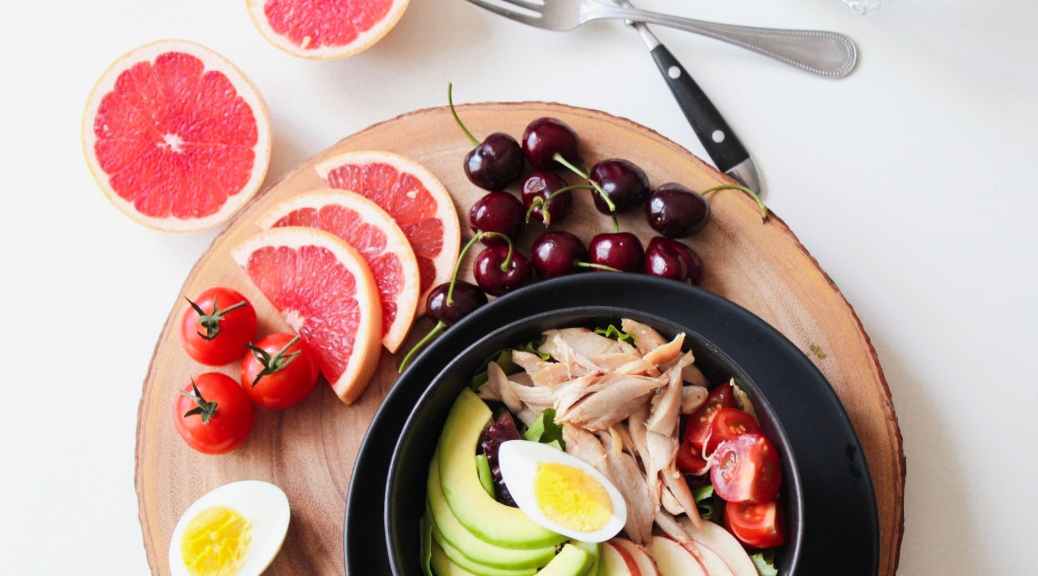
The American Heart Association recommends a diet such as this for longevity and good health. The American Heart Association is certain that these days are the perfect conditions for cultivating a healthy diet and exercise routine. The research determined that getting enough food and exercise during your middle age is vital for long-life to maintain heart protection when you age approaches a golden years. Metabolic syndrome seems to be greatly reduced in individuals who followed these two eating habits in their forties. Additionally, Dr. Kris-Ether says to add plant-based ingredients including almond and sunflower seed butters It’s much easier to maintain a plant-based diet while you eat meals. When dining out, there could be less healthy food on display that is not covered with excess oil or sugar.

Reference

This One Diet Can Help You Live Longer, Says American Heart Association. https://www.eatthis.com/news-one-diet-help-you-live-longer/

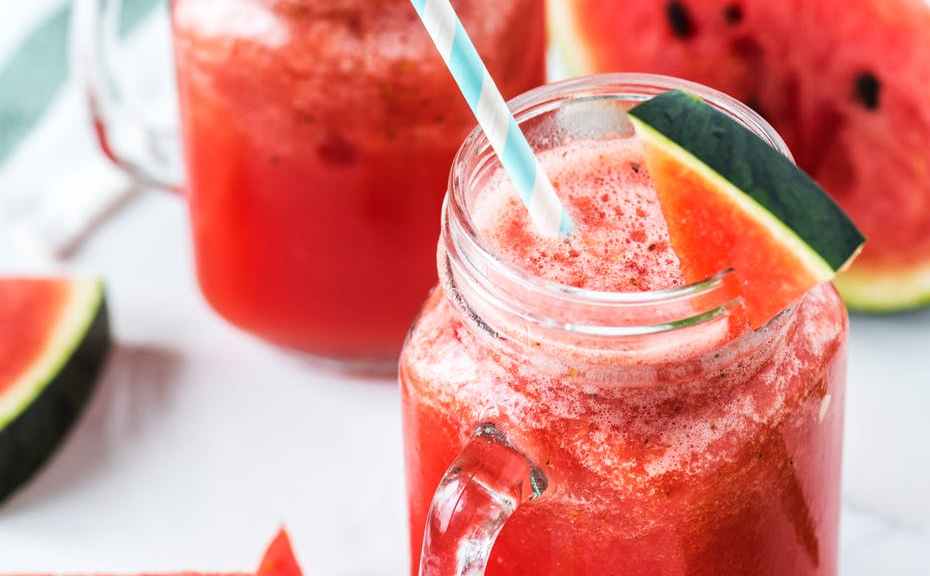
Could drinking 100 per cent natural fruit juices increase your risk of an early death?

Doctors and dieticians have advised patients to eat whole fruits, instead of consuming them in the form of juices and smoothies. Despondently, due to the fast-paced lives, this process leaves no room for peeling, cutting and eating fruits, fresh fruit juices which often seems like a delicious and easy way to stay healthy. However, science does not quite approve of the consumption of fruit juices. While most of us recognize that soda and other sugary drinks ought to be evaded at all costs, 100 percent fruit juices are not accurately good for your health either.

The research

The groundbreaking research connects the ingesting of sugar-sweetened beverages and 100 percent natural fruit juices to a premature passing away. The research consisted of 13,400 adults with an average age of 64 and almost 71 percent of the contributors who were weighty or corpulent.

The researchers asked volunteers were asked about their daily consumption of sugar-sweetened drinks, counting fruit juices. Over the course of 6 years (on an average), 1,168 of the participants died.

After evaluating their health records, it was obtained that an additional 354 ml serving of sugary beverages per day was related an 11 percent higher all-cause mortality danger, while each additional 354 ml serving of fruit juice was linked with a whopping 24 percent higher all-cause death risk.

These outcomes propose higher ingesting of sugary beverages, counting fruit juice, is connected with amplified death. Sugary beverages were defined as SSBs of sodas, soft beverages, or fruit-flavored beverages and naturally sweet 100% fruit juices.

Those who drank the most sugar-sweetened beverages, counting 100 percent fruit juice had higher probabilities of dying throughout the course of the study when equated with those who imbibed the smallest of these.