Category Archives: Public health

Exploring the Link Between C-Reactive Protein and Mood Disorders: Insights from Recent Research

Mood disorders, such as depression and bipolar disorder, affect millions of individuals worldwide, significantly impacting their quality of life. Over the years, research has highlighted the role of chronic low-grade inflammation and immune system dysregulation in the development of mood disorders. A protein of interest in this context is C-reactive protein (CRP), which is involved in the recognition and elimination of pathogens and damaged cells through inflammatory mechanisms. While previous studies have demonstrated elevated CRP levels in individuals with major depressive disorder (MDD), the understanding of CRP’s role in other mood disorders, like bipolar and unipolar depression, remains limited. To bridge this knowledge gap, a recent study published in the Journal of Affective Disorders set out to explore the association between CRP levels and mood disorders, shedding light on the potential implications for understanding these complex conditions.

The study conducted a retrospective analysis, enrolling patients diagnosed with a mood disorder. The researchers utilized psychopathological rating scales to assess general psychopathology and collected blood samples for further analysis of CRP levels. By examining these factors, the study aimed to gain insights into the role of CRP in both unipolar and bipolar depression, expanding our understanding beyond MDD.

The findings of the study hold significant implications for the field of mood disorders. First and foremost, the association between CRP levels and mood disorders suggests that neuroinflammation could be a relevant factor in the pathophysiology of these conditions. This understanding opens doors to exploring new treatment approaches that target inflammatory mechanisms and immune system dysregulation. By identifying distinct subgroups of patients based on their inflammatory patterns, personalized treatment strategies can be developed, potentially improving outcomes and prognosis.

Furthermore, monitoring CRP levels could serve as a prognostic indicator, helping clinicians assess disease progression, predict treatment response, and identify individuals at higher risk for relapse or complications. Tracking changes in CRP levels over time during treatment may also provide valuable insights into treatment effectiveness and guide adjustments to optimize patient care.

The study also highlighted the influence of chronotype, with individuals exhibiting an eveningness-type chronotype displaying higher CRP levels. Incorporating chronotype considerations into the management of mood disorders could provide a more comprehensive approach, taking into account an individual’s chronobiological rhythms and potential impact on inflammation.

The investigation into the association between CRP levels and mood disorders represents an exciting step forward in understanding the complex nature of these conditions. By recognizing the role of chronic low-grade inflammation and immune system dysregulation, researchers and clinicians can explore innovative treatment approaches tailored to patients’ specific inflammatory profiles. The findings offer the potential for improved prognostic indicators, personalized interventions, and a deeper understanding of the underlying mechanisms driving mood disorders. As further research unfolds, this knowledge could pave the way for more effective and targeted strategies to alleviate the burden of mood disorders and enhance the well-being of individuals worldwide.

Cited works:

C-reactive protein levels and mood disorders: Insights from a retrospective study. https://www.psypost.org/2023/07/c-reactive-protein-levels-and-mood-disorders-insights-from-a-retrospective-study-166293?fbclid=IwAR2gD32l5gnPGgvnU_GEPExCBs0rh5v20Tj4NNYjb85qzn48qY_Vhiy9gLA

Minnesota Court Upholds Amish Religious Freedom in Gray Water Disposal Case

In a significant victory for religious freedom, the Minnesota Court of Appeals ruled on Monday that members of a profoundly conservative Amish community in the state are not required to install septic systems to dispose of “gray water.” The decision comes after a long legal battle that reached the U.S. Supreme Court, highlighting the delicate balance between religious rights and state regulations.

Background:
The Swartzentruber Amish, known for their adherence to traditional practices, reside in southeastern Minnesota. Their religious beliefs emphasize simplicity and a commitment to living separate from the modern world. One aspect of their way of life involves avoiding unnecessary contact with government-imposed systems, such as electricity and modern plumbing.

The Gray Water Disposal Case:
The dispute arose when the Amish families challenged state regulations concerning the disposal of gray water, which includes wastewater from dishwashing, laundry, and bathing but not toilet waste. The government argued that septic systems were necessary for public health and environmental reasons. However, the court ruled that the state failed to demonstrate a “compelling state interest” that justified overriding the Amish families’ religious freedom.

Religious Freedom and the U.S. Supreme Court:
This case gained national attention when it reached the U.S. Supreme Court. In a 2021 ruling, Justice Neil Gorsuch acknowledged the Swartzentruber Amish as one of the most traditional Amish groups in the country. The Supreme Court’s decision in a separate religious freedom case involving a Catholic foster care agency in Philadelphia influenced the reconsideration of the Amish case. In the foster care case, the court ruled in favor of the agency, stating that its religious views prevented it from working with same-sex couples.

Some notable religious freedom cases that have reached the U.S. Supreme Court include Employment Division v. Smith (1990), Burwell v. Hobby Lobby Stores (2014), and Masterpiece Cakeshop v. Colorado Civil Rights Commission (2018).

Significance of the Ruling:
The Minnesota Court of Appeals’ ruling marks a significant victory for religious freedom and recognizes the unique cultural and religious practices of the Swartzentruber Amish. By allowing these families to abstain from installing septic systems, the court acknowledges their religious beliefs and the need to balance them against state regulations.

Impact on Religious Freedom:
This case sets an important precedent by highlighting the importance of accommodating religious beliefs while considering the state’s interests. It reaffirms the constitutional protection of religious freedom and demonstrates that compelling state interests must be demonstrated to justify potential infringements on religious practices.

Conclusion:
The Minnesota Court of Appeals’ decision in the Swartzentruber Amish gray water disposal case represents a victory for religious freedom. By recognizing the deeply conservative Amish community’s religious beliefs and exempting them from installing septic systems, the court strikes a delicate balance between religious rights and public health concerns. This ruling emphasizes the importance of upholding the First Amendment and respecting the diverse religious practices within our society while considering compelling state interests.

Cited Works
Recovered Memory Project » 2011 » June. https://blogs.brown.edu/recoveredmemory/2011/06/

Uber Banned in Colombia: What Happened & Alternative Rideshare Apps. https://medellinliving.com/uber-banned-colombia-alternative-rideshare-apps/

Kentucky’s Contract With Baptist-Affiliated Children’s Agency Remains in Limbo | Christian News Now. https://christiannewsnow.com/kentuckys-contract-with-baptist-affiliated-childrens-agency-remains-in-limbo/

The Surprising Link Between Dental Health and Brain Function

Introduction

From a young age, we have always been told to take care of our teeth for oral health and to avoid tooth loss as we grow older. However, recent research from Japan suggests that the consequences of poor dental hygiene go beyond just gum health – they may also impact our brains. Scientists have discovered a correlation between tooth loss, gum disease, and shrinkage in the hippocampus, a brain region associated with memory and Alzheimer’s disease. These findings raise important considerations about preserving not only gum health but also brain health.

The Study and Its Implications

One hundred seventy-two participants who were 55 or older participated in the study by researchers at Tohoku University in Japan. At the beginning of the study, the participants underwent memory tests, and data on their general health and medical history were collected. Magnetic resonance imaging (MRI) scans were performed to measure the hippocampus volume at the start of the study and four years later.

Dentists counted the number of teeth and examined periodontal probing depth (PD) to assess gum disease. According to the researchers, the number of teeth and the severity of gum disease affected the volume of the left hippocampus. Individuals with mild gum disease and fewer teeth experienced faster shrinkage in the left hippocampus. Surprisingly, one less tooth was found to increase the rate of brain shrinkage in people with mild gum disease, comparable to an additional year of brain aging.

On the other hand, individuals with severe gum disease and more teeth showed a faster rate of brain shrinkage in the same region. An additional tooth in those with severe gum disease led to left hippocampus shrinkage equivalent to 1.3 years of brain aging.

Promoting Dental Health for Cognitive Well-being

While this study does not establish a causal relationship, it highlights the significance of oral health in relation to cognitive function. Dentists and healthcare professionals must consider the potential impact of dental health on brain health when making critical decisions about patients’ oral care. It also emphasizes the importance of regular dental visits and proper management of gum disease.

Although the study had a small sample size and focused on one region, further research on more extensive and diverse populations is necessary to generalize the results. Nonetheless, it serves as a reminder that maintaining good dental hygiene is crucial for oral health and cognitive well-being.

Conclusion

The link between dental health and brain function adds a new dimension to our understanding of the importance of oral care. Tooth loss and gum disease have been associated with changes in the hippocampus, a brain region essential for memory and impacted by Alzheimer’s disease. While more research is needed to establish the causal relationship, these findings emphasize the need to prioritize dental health to preserve our smiles and cognitive abilities. So, next time you brush your teeth, remember that you are caring not just for your gums but also for your brain.

Cited Works
Li, Q., Ye, H., Ding, Y., Chen, G., Liu, Z., Xu, J., Chen, R., & Yang, H. (2017). Clinical characteristics of moderate-to-severe thyroid-associated ophthalmopathy in 354 Chinese cases. PLoS One, 12(5), e0176064.

Why we champion the role of the dental hygienist in south-west London?. https://www.dentistsw4.com/latest-news/why-we-champion-the-role-of-the-dental-hygienist-at-our-south-west-london-practice/

JCI Insight – Exploring the cardiac response to injury in heart transplant biopsies. https://insight.jci.org/articles/view/123674

How do muscle contractions and the chemical signals they release contribute to the development of brain networks?

The discovery that muscle contractions release chemical signals that promote brain network development provides valuable insights into the intricate link between physical activity and cognitive function. It sheds light on the molecular mechanisms underlying the observed cognitive benefits of regular physical exercise, especially in the context of age-related cognitive decline and neurodegenerative diseases like Alzheimer’s. The brain is a highly dynamic organ, and these findings suggest that physical activity may support its plasticity and resilience through these muscle-derived signals, thus playing a key role in preserving cognitive function as we age.

This newfound understanding of the role of muscle contractions in brain development has substantial implications for therapeutic strategies and exercise recommendations. Conditions where brain network development is compromised or slowed, such as in certain developmental disorders or following brain injuries, could potentially benefit from tailored physical activity programs designed to stimulate muscle contraction and hence, release of these beneficial chemical signals. This approach may contribute to neural repair and reorganization, aiding recovery and supporting cognitive function in these individuals.

This research not only expands our biological understanding but also underscores the potential value of physical exercise in clinical settings. It provides a strong rationale for the integration of regular physical activity into therapeutic regimes, not just for its well-known cardiovascular benefits, but also for its potential neuroprotective effects. Further research is needed to identify the most effective types and intensities of exercise for different patient groups, but the existing findings clearly highlight the role of physical activity in brain health and development.

Resource

Rodríguez‐Valentín, Rocío, Ignacio López‐González, Ramón Jorquera, Pedro Labarca, Mario Zurita, and Enrique Reynaud. “Oviduct contraction in Drosophila is modulated by a neural network that is both, octopaminergic and glutamatergic.” Journal of cellular physiology 209, no. 1 (2006): 183-198.

Fagerlund, M. J., and L. I. Eriksson. “Current concepts in neuromuscular transmission.” British journal of anaesthesia 103, no. 1 (2009): 108-114.

Woolf, Nancy J., and Larry L. Butcher. “Cholinergic systems mediate action from movement to higher consciousness.” Behavioural brain research 221, no. 2 (2011): 488-498.

Are individuals with low levels of vitamin D at an increased risk of developing long COVID?

Recent research presented at the 25th European Congress of Endocrinology has suggested that low vitamin D levels may increase the risk of developing long COVID. This is a condition where the symptoms of COVID-19 persist for more than 12 weeks after the initial infection. The study looked at 100 patients with and without long COVID and found that those with long COVID had lower levels of vitamin D. This correlation was particularly evident in patients who experienced symptoms like confusion, forgetfulness, and poor concentration. While more research is needed to confirm the link, scientists are exploring whether vitamin D supplements could help reduce the risk of long-term COVID and improve its symptoms.

Long-term COVID risk may increase with low levels of vitamin D. https://www.news-medical.net/news/20230513/Long-COVID-risk-may-increase-with-low-levels-of-vitamin-D.aspx

The Vitamin D Society. http://vitamindsociety.org/

Post-COVID-19 condition (long COVID) – Canada.ca. https://www.canada.ca/en/public-health/services/diseases/2019-novel-coronavirus-infection/symptoms/post-covid-19-condition.html

LONG COVID LINKED TO VITAMIN D DEFICIENCY. http://www.cachehosting.com/news/other/long-covid-linked-to-vitamin-d-deficiency/ar-AA1baMoE

Are current dietary recommendations for cardiovascular health facing challenges in light of emerging evidence regarding the impact of saturated fatty acids on the levels of low-density lipoprotein cholesterol (LDL-C) and lipoprotein A (Lp(a))?

A recent perspective piece published in The American Journal of Clinical Nutrition delved into the current dietary recommendations aimed at reducing the intake of saturated fatty acids in order to mitigate the risk of cardiovascular disease.

The article shed light on the impact of lower saturated fatty acid intake on low-density lipoprotein cholesterol (LDL-C) and lipoprotein A. While dietary modifications have garnered significant attention in cardiovascular disease prevention, the effectiveness of replacing saturated fatty acids with alternative options remains unclear. Recent studies have shown that while reducing saturated fatty acid intake lowers LDL-C levels, it leads to an increase in lipoprotein A levels, which is associated with an elevated risk of cardiovascular disease. Lipoprotein A has been identified as an independent risk factor for atherosclerosis-related cardiovascular disease. Although genetic factors primarily regulate lipoprotein A levels, certain non-genetic factors, including dietary saturated fatty acid intake, contribute to its increase. Replacing saturated fatty acids with carbohydrates or monounsaturated fatty acids does lower LDL-C levels but also results in a concurrent increase in lipoprotein A levels. This finding calls for further research and better clinical practices to monitor the effects of dietary changes on lipoprotein A and LDL-C levels. Additionally, assessing cardiovascular disease risk accurately may require measuring LDL-C independently of lipoprotein A cholesterol content or including an evaluation of lipoprotein A cholesterol content. The study suggests that individualized dietary recommendations tailored to lipid profiles and considering additional cardiac health markers, such as lipoprotein A cholesterol content, may be necessary for effective disease prevention.

Dietary Recommendations For Cardiovascular Health Challenged By New …. https://primenewsprint.com/health/dietary-recommendations-for-cardiovascular-health-challenged-by-new-evidence-on-saturated-fatty-acids-effects-on-ldl-c-and-lpa-levels/

What You Should Know Regarding Monkeypox?

Thousands of people have contracted monkeypox throughout the United States. The spread has been designated as an epidemic, which naturally arouses public concern. Discover who is at danger and how we can protect ourselves, our community, and our loved ones.

How does monkeypox spread?

It is essential to realize that viruses are not selective. They want just a host. The same holds true for monkeypox as for any other virus. To help reduce the spread of monkeypox, we must first eliminate its stigma. Anyone, regardless of age, gender, race, or sexual orientation, is vulnerable.

It is evident that monkeypox is transmitted by direct skin-to-skin contact. Identifying and reducing high-risk behaviors and settings is the most effective method of disease prevention.

According to the Centers for Disease Control and Prevention (CDC), the following behaviors enhance the likelihood of acquiring monkeypox:

  • Close contact with a person or individuals who have been diagnosed with monkeypox or with a person or persons who have a rash that resembles monkeypox.
  • Close or close personal contact with people infected with monkeypox in a social network. Social networks might include individuals met at pubs, parties, on websites or via apps.
  • Sexual contact or intimate behavior with several partners in places where monkeypox is known to occur.
  • Within 21 days after sickness start, travel outside the United States to a nation with confirmed cases of monkeypox or where monkeypox is endemic.
  • Occupational exposure to monkeypox or other orthopoxviruses, such as testing laboratory personnel or some public health personnel. In these situations, the right use of personal protective equipment will aid in reducing danger.

How can I reduce my infection risk?

As with any infectious illness, the pillars of infection prevention and control may be applied: When you are unwell, you should wash your hands, avoid touching your eyes, lips, and face, and avoid contact with others. Avoid prolonged physical contact, contact with respiratory secretions, and contact with products or textiles used by someone with monkeypox to reduce your chance of developing the disease.

Is a monkeypox vaccination available?

Kansas City has provided the University of Kansas Health System with a restricted amount of vaccination doses. The health care system administers vaccinations to people who fulfill the qualifying requirements. Currently, the CDC advises immunization against:

People who are aware that a sexual partner has been diagnosed with monkeypox during the preceding 14 days.

Individuals who have had several sexual partners in the preceding 14 days in an area where monkeypox is known to exist.

Individuals who have reported any of the following during the preceding 14 days:

  • Sex with numerous partners or multiple partners.
  • Sex at a commercial sex venue or in conjunction with an event, location, or specified geographic region where transmission of monkeypox has been recorded.
  • We are devoted to providing everyone with high-quality care. If you are a current patient of the health system and feel you fulfill any of the eligibility requirements, contact your primary care physician or provider (by phone, text message, or MyChart message) for further information.
  • We must collaborate to eliminate the stigma associated with this condition and prioritize wellness. We highly urge persons at high risk or who are worried to communicate honestly with their healthcare professionals.

Did you know that unvaccinated are 14 times more likely to get monkeypox, data from eligible shot recipients shows?

Those who have not had the vaccine for monkeypox are 14 times more likely to get the illness than those who have, according to fresh, but limited, statistics released by the Centers for Disease Control and Prevention on Wednesday morning.

The sampled population consists of males who engage in sexual behavior with other men or persons with several sexual partners. The figures provide our first glimpse at how effectively the JYNNEOS vaccine, the most effective method of protection against monkeypox, functions in the real world.

At a briefing on monkeypox held at the White House on Wednesday, CDC Director Rochelle Walensky said, “These new data give us cautious comfort that the immunization is functioning as planned.”

Dr. Demetre Daskalaskis, the White House’s deputy response coordinator for monkeypox, requested that individuals disseminate the “early good news.”

He said that “information is power” and that it empowers people to make health-related decisions with more knowledge and confidence.

What caused the dramatic reduction in monkeypox cases in the United States?

Since the beginning of the current outbreak, there has been little information on the effectiveness of the JYNNEOS vaccine, which was initially designed to combat smallpox.

Since the outbreak began in May, the Food and Drug Administration, the Centers for Disease Control and Prevention, and the National Institutes of Health have conducted many studies into the safety and effectiveness of the JYNNEOS vaccine, mostly at the request of LGBTQ community activists.

Walensky also observed that the new data is only a glimpse, while being optimistic. Concerning the extent of JYNNEOS’s protection, several questions remain unresolved.

For instance, the new vaccination efficacy rate was not predicated on two doses given 28 days apart. Instead, it relied on information gathered two weeks after the first shot.

Even though the majority of federal public health experts advocate two doses, the CDC has not yet provided information on the effectiveness of the vaccine after all doses have been administered.

“These early results, together with similar findings from studies undertaken in other countries, suggest that even a single dose of the monkeypox vaccine gives at least some initial protection against disease. In spite of this, laboratory studies have shown that immune protection reaches its peak two weeks following the second vaccination dose, or “Wednesday,” as Walensky said.

She said, “Because of this, we continue to recommend that individuals get two doses of the JYNNEOS vaccine, 28 days apart, in order to provide robust, long-lasting protection against monkeypox.”

According to Walensky, further study is being conducted on the efficacy of two dosages.

The CDC has not yet separated the efficacy data for various injection techniques to see whether there are any differences between the current approach, in which a lower dosage is injected just beneath the skin, and the earlier way, in which a deeper injection is administered.

Also unclear is the extent to which changes in behavior might influence the effectiveness of the vaccination results.

If vaccinated individuals have fewer sexual partners and possibilities for skin-to-skin contact, they may be less likely to get monkeypox.

Eliminating monkeypox is feasible, according to experts, but containing the disease remains challenging.

According to Walensky, a key lesson from COVID-19 is that the CDC intends to make all of its existing data accessible in real time as soon as it becomes available, even while additional data are on the way.

“Through a portfolio of vaccine effectiveness programs, [the] CDC will continue to analyze how well these immunizations are functioning in the continuing outbreak. These endeavors will assist us in determining the extent and duration of the protection provided. “We’ll continue to provide you with further details as they become available,” Walensky added.

Even though the JYNNEOS vaccine is not yet approved for use by the general public, the CDC is expanding the number of at-risk Americans who are eligible to get vaccination against monkeypox.

The inclusion now includes gay or bisexual men who have had one recent romantic relationship or who have just received a new diagnosis of one or more STDs. It also includes sex workers.

Although many states and jurisdictions have already expanded eligibility, the CDC’s latest step puts it more in line with regional guidelines.

Monkeypox caused the death of a citizen of Los Angeles County

Monkeypox caused the death of a citizen of Los Angeles County who had a weakened immune system, according to the announcement made by local health authorities on Monday. It is considered to be the first mortality in the United States caused by the illness.

A patient with the rash associated with monkeypox. Photo: Getty Images


The Department of Public Health for Los Angeles County made the announcement on the cause of death, and a representative for the department said that an autopsy verified the information. The patient had a significantly impaired immune system and had been admitted to the hospital. There was no more information about the individual that was made public.
 
The Centers for Disease Control and Prevention (CDC) monitors instances of the disease and reports that it has not been linked to any fatalities in the United States. Officials from LA County have said that they collaborated with the CDC on this matter.
 
When asked if this was the first death in the U.S., a CDC representative acknowledged that they were working together but didn’t answer right away.
 
On August 30, authorities from the Texas Department of Public Health stated that an individual who had been diagnosed with monkeypox had passed away. The individual was also critically immunocompromised, and an examination is now being conducted into their case to establish the possible impact that monkeypox had in their passing.
 
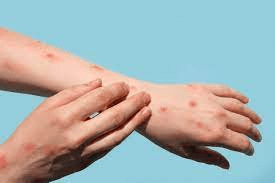
The virus that causes monkeypox is contagious and can only be passed from person to person via prolonged skin-to-skin contact. It may bring on symptoms such as a rash, fever, pains all over the body, and chills. The illness has been directly connected to the deaths of just a small number of individuals all across the globe, and hospitalizations and fatalities are quite uncommon.
 
People who are in close contact with someone who has the disease; people who are aware that a sexual partner was diagnosed within the past two weeks; and gay or bisexual men who have had multiple sexual partners within the past two weeks in an area where it is known that the virus is spreading are all encouraged to get the monkeypox vaccine. It is also suggested that health care workers who are at a high risk of exposure get vaccinations.

Do you think that persons who experience anxiety and depression could benefit from taking vitamin B6?

According to recent research, vitamin B6, a popular vitamin supplement, may benefit those who suffer from anxiety and depression. However, in the UK, researchers recruited 478 participants with anxiety or depression and randomly allocated them to receive high dosages of vitamin B6, vitamin B12, or a placebo. They then evaluated the subjects before and after they had taken the tablets for a month. Compared to those taking a placebo, those taking the B6 supplement reported significantly fewer symptoms of anxiety and depression. They conclude that some people may be able to prevent the adverse effects of prescription drugs by taking vitamin B6 supplements. However, with your doctor first before beginning a new supplement.