

Subscribe to continue reading
Subscribe to get access to the rest of this post and other subscriber-only content.
Subscribe to get access to the rest of this post and other subscriber-only content.
Subscribe to get access to the rest of this post and other subscriber-only content.
Ever wondered if your sleep position reveals anything about your personality? While conclusive research is sparse, some theories suggest that back sleepers may be quiet, reserved, and no-nonsense people with high standards for themselves and others. However, this seemingly peaceful sleeping style could make you a noisy partner due to snoring and may have specific health implications. Read on to delve deeper into what sleeping on your back might indicate about you.
Most of us hit the bed without giving much thought to our sleeping positions. Whether you’re a fetal position sleeper or a stomach snoozer, you might be surprised to learn that how you sleep could say something about who you are. According to Professor Chris Idzikowski, Director of the Sleep Assessment and Advisory Service and the Edinburgh Sleep Center, if you tend to sleep on your back, you may have a specific set of personality traits.
Idzikowski identifies this back-sleeping posture, where your legs are stretched out straight below you and your arms are pinned to your sides, as the “soldier position.” According to his analysis, this suggests you might be quiet, reserved, and have high standards for yourself and others.
If you’re a soldier sleeper, your partner might not find nights as peaceful. Dr. Michael Breus, an advisory board member of SleepScore Labs, notes that back sleeping narrows your throat, making snoring louder and more frequent.
Sleeping on your back has its pros and cons. It’s beneficial for those with acid reflux and may prevent premature aging. However, Dr. Andrew Bang, a chiropractor, warns that it could lead to lower back pain if your legs are flat on the bed. To alleviate this, consider placing a pillow under your knees.
Another variation of back sleeping is the “starfish” position, where your arms and legs are not strictly straight but are stretched out. According to Idzikowski, starfish sleepers are excellent listeners and helpful friends who don’t crave the limelight, despite taking up considerable bed space. Like the soldier position, starfish sleepers are prone to snoring and may benefit from the same health pros and cons.
Sleeping on your back could potentially reveal a lot about your personality and even your health. Whether you’re a “soldier” or a “starfish,” each comes with its unique set of characteristics and health implications. While these insights might not prompt a complete sleep makeover, they do offer food for thought.
Read More: HealthDigest
Chris Idzikowski – Watkins Publishing. https://watkinspublishing.com/book_author/chris-idzikowski-phd/
Read More: HealthDigest
As a transformative practice, meditation plays a significant role in liberation theology, intertwining inner reflection with social justice. This potent tool enables people to examine their core values and beliefs, cultivating empathy and compassion for those suffering from societal injustices. Through meditation, individuals develop a heightened awareness of systemic injustices and their responsibility to advocate for change. Love, at the heart of liberation theology, drives the pursuit of justice for the oppressed, acknowledging the intrinsic dignity of every human being. Love empowers individuals to act with empathy, understanding, and solidarity, breaking down barriers that perpetuate discrimination and injustice.
Liberation theology, grounded in love and justice, seeks to liberate the oppressed from oppressive systems and structures that deny their inherent rights and freedoms. It calls for dismantling systems of exploitation and advocates for the empowerment of marginalized communities, enabling them to stand tall in their rightful place as equal members of society. Liberation theology emphasizes the importance of love and compassion in guiding actions that challenge the status quo and work towards a more equitable and inclusive world.
Through the lens of liberation theology, justice takes on a transformative dimension, calling for the redistribution of power and resources to uplift the marginalized and oppressed. Justice demands accountability for those who perpetrate injustice and advocates for reparative actions that seek to rectify historical wrongs. It seeks to break the chains of oppression, ensuring everyone lives with dignity and freedom. Meditation guides this pursuit of justice, nurturing the patience and resilience required to address deeply ingrained social issues and foster lasting change.
Ultimately, the combination of meditation, love, justice, and liberation theology provides a robust framework for collective action. It encourages individuals to challenge their biases and privileges, fostering a society that values every human life and upholds the principles of justice and equality. People who engage in the transformative practice of meditation develop the clarity and inner strength to fight for justice with a deep love for humanity. Liberation theology ignites the flame of hope, inspiring communities to unite in solidarity, and together, they create a world where the pursuit of justice and love prevails, leading to the liberation of all from the chains of oppression.
Sources
Roelofs, H. Mark. “Liberation theology: The recovery of Biblical radicalism.” American Political Science Review 82, no. 2 (1988): 549-566.
Iglesias, Elizabeth M., and Francisco Valdes. “Religion, gender, sexuality, race and class in coalitional theory: A critical and self-critical analysis of LatCrit social justice agendas.” Chicano-Latino L. Rev. 19 (1998): 503.

Mood disorders, such as depression and bipolar disorder, affect millions of individuals worldwide, significantly impacting their quality of life. Over the years, research has highlighted the role of chronic low-grade inflammation and immune system dysregulation in the development of mood disorders. A protein of interest in this context is C-reactive protein (CRP), which is involved in the recognition and elimination of pathogens and damaged cells through inflammatory mechanisms. While previous studies have demonstrated elevated CRP levels in individuals with major depressive disorder (MDD), the understanding of CRP’s role in other mood disorders, like bipolar and unipolar depression, remains limited. To bridge this knowledge gap, a recent study published in the Journal of Affective Disorders set out to explore the association between CRP levels and mood disorders, shedding light on the potential implications for understanding these complex conditions.
The study conducted a retrospective analysis, enrolling patients diagnosed with a mood disorder. The researchers utilized psychopathological rating scales to assess general psychopathology and collected blood samples for further analysis of CRP levels. By examining these factors, the study aimed to gain insights into the role of CRP in both unipolar and bipolar depression, expanding our understanding beyond MDD.
The findings of the study hold significant implications for the field of mood disorders. First and foremost, the association between CRP levels and mood disorders suggests that neuroinflammation could be a relevant factor in the pathophysiology of these conditions. This understanding opens doors to exploring new treatment approaches that target inflammatory mechanisms and immune system dysregulation. By identifying distinct subgroups of patients based on their inflammatory patterns, personalized treatment strategies can be developed, potentially improving outcomes and prognosis.
Furthermore, monitoring CRP levels could serve as a prognostic indicator, helping clinicians assess disease progression, predict treatment response, and identify individuals at higher risk for relapse or complications. Tracking changes in CRP levels over time during treatment may also provide valuable insights into treatment effectiveness and guide adjustments to optimize patient care.
The study also highlighted the influence of chronotype, with individuals exhibiting an eveningness-type chronotype displaying higher CRP levels. Incorporating chronotype considerations into the management of mood disorders could provide a more comprehensive approach, taking into account an individual’s chronobiological rhythms and potential impact on inflammation.
The investigation into the association between CRP levels and mood disorders represents an exciting step forward in understanding the complex nature of these conditions. By recognizing the role of chronic low-grade inflammation and immune system dysregulation, researchers and clinicians can explore innovative treatment approaches tailored to patients’ specific inflammatory profiles. The findings offer the potential for improved prognostic indicators, personalized interventions, and a deeper understanding of the underlying mechanisms driving mood disorders. As further research unfolds, this knowledge could pave the way for more effective and targeted strategies to alleviate the burden of mood disorders and enhance the well-being of individuals worldwide.
Cited works:
C-reactive protein levels and mood disorders: Insights from a retrospective study. https://www.psypost.org/2023/07/c-reactive-protein-levels-and-mood-disorders-insights-from-a-retrospective-study-166293?fbclid=IwAR2gD32l5gnPGgvnU_GEPExCBs0rh5v20Tj4NNYjb85qzn48qY_Vhiy9gLA
The discovery that muscle contractions release chemical signals that promote brain network development provides valuable insights into the intricate link between physical activity and cognitive function. It sheds light on the molecular mechanisms underlying the observed cognitive benefits of regular physical exercise, especially in the context of age-related cognitive decline and neurodegenerative diseases like Alzheimer’s. The brain is a highly dynamic organ, and these findings suggest that physical activity may support its plasticity and resilience through these muscle-derived signals, thus playing a key role in preserving cognitive function as we age.
This newfound understanding of the role of muscle contractions in brain development has substantial implications for therapeutic strategies and exercise recommendations. Conditions where brain network development is compromised or slowed, such as in certain developmental disorders or following brain injuries, could potentially benefit from tailored physical activity programs designed to stimulate muscle contraction and hence, release of these beneficial chemical signals. This approach may contribute to neural repair and reorganization, aiding recovery and supporting cognitive function in these individuals.
This research not only expands our biological understanding but also underscores the potential value of physical exercise in clinical settings. It provides a strong rationale for the integration of regular physical activity into therapeutic regimes, not just for its well-known cardiovascular benefits, but also for its potential neuroprotective effects. Further research is needed to identify the most effective types and intensities of exercise for different patient groups, but the existing findings clearly highlight the role of physical activity in brain health and development.
Resource
Rodríguez‐Valentín, Rocío, Ignacio López‐González, Ramón Jorquera, Pedro Labarca, Mario Zurita, and Enrique Reynaud. “Oviduct contraction in Drosophila is modulated by a neural network that is both, octopaminergic and glutamatergic.” Journal of cellular physiology 209, no. 1 (2006): 183-198.
Fagerlund, M. J., and L. I. Eriksson. “Current concepts in neuromuscular transmission.” British journal of anaesthesia 103, no. 1 (2009): 108-114.
Woolf, Nancy J., and Larry L. Butcher. “Cholinergic systems mediate action from movement to higher consciousness.” Behavioural brain research 221, no. 2 (2011): 488-498.
Introduction
Welcome to the world of positive thinking! In today’s fast-paced, frequently stressful world, becoming mired in negativity can be simple. However, with little effort and determination, anyone can learn to live a more positive life. Positive thinking is not just about being happy all the time; it is about cultivating an optimistic outlook on life that allows you to overcome challenges, build strong relationships, and achieve your goals. This article will discuss the power of positive thinking and give tips on living a happier life. So sit back, relax, and get ready to transform your mindset!
How to live positive
Living a positive life is not just about having happy thoughts all the time. It is about making a conscious effort to focus on the good in every situation. One way to do this is by practicing gratitude. Take time each day to reflect on what you are thankful for and write it down. This can be as simple as being grateful for a warm cup of coffee in the morning or having a roof over your head.
Positive Attitude
Having a positive attitude is an essential component of living a fulfilling life. It is not just about being optimistic or having a happy-go-lucky outlook on life; it is also about cultivating a mindset that allows you to see the good in every situation. A positive attitude can help you overcome obstacles, build strong relationships, and achieve your goals.
Another way to live positively is by surrounding yourself with positive people who uplift and encourage you. For example, seek out friends and family members with similar outlooks on life who inspire you to be your best self. Also, care for your body by eating well, working out regularly, and getting enough sleep. When your body feels good, it is easier to maintain a positive attitude.
Lastly, remember that positivity is a choice. You have the power to choose how you react to situations and how you perceive them. Instead of dwelling on negative thoughts or events, try reframing them more positively. By choosing positivity, you can create a happier and more fulfilling life.
One way to develop a positive attitude is by practicing gratitude. Take time each day to reflect on the things in your life that you are thankful for, no matter how small they may seem. This can help shift your focus away from negative thoughts and towards the positive aspects of your life. Additionally, surround yourself with people with a positive outlook on life, as their energy can be contagious and uplifting.
Another critical aspect of maintaining a positive attitude is letting go of negativity. This means acknowledging negative thoughts and emotions without dwelling on them or allowing them to consume you. Instead, focus on finding solutions and taking action toward creating positive change in your life.
Remember, having a positive attitude does not happen overnight; it takes practice and effort. However, with time and dedication, anyone can learn to live with positivity at the forefront of their mind.
Positive Living
Positive living is about cultivating a mindset that focuses on the good in life. It is about embracing positivity and letting go of negative thoughts and emotions. Positive living involves taking care of yourself physically, mentally, and emotionally. This means eating well, exercising regularly, getting enough sleep, and practicing self-care.
One of the keys to positive living is gratitude. Focusing on what we are grateful for helps us see the good in our lives and appreciate what we have. Another essential aspect of positive living is mindfulness. Being present and fully engaged in your work can help you feel more positive and fulfilled.
Ultimately, positive living is about seeing the world through positivity rather than negativity. It is not always easy, but with practice, it can become a habit that transforms your life for the better.
Confronting negative people
We will inevitably encounter negative people in our lives. They may be coworkers, family members, or even friends. Unfortunately, these individuals can bring us down and make us feel negative about ourselves and the world around us. However, we must remember that we can control how we react to these people.
One way to confront negative people is by setting boundaries. Let them know that their negativity is not welcome in your life and that you will not tolerate it. This can be done politely but firmly. Additionally, try to limit your interactions with these individuals as much as possible. Instead, surround yourself with positive people who uplift and inspire you.
Another approach is to practice empathy and understanding toward negative people. Often, their negativity stems from their struggles and insecurities. By showing compassion, you can help shift their perspective and bring positivity into their lives.
Remember that it can be hard to deal with negative people, but it is crucial for our mental health and well-being that we do. Do not let others bring you down or steal your joy. Instead, stay positive and surround yourself with those who uplift you.
Living a positive life when things go wrong
Life is unpredictable, and things sometimes go differently than planned. Falling into a negative mindset is easy when faced with unexpected challenges or setbacks. However, it is essential to remember that maintaining a positive outlook can help us overcome these obstacles and emerge stronger on the other side.
One way to live positively when things go wrong is to focus on solutions rather than dwelling on the problem. Instead of getting stuck in a cycle of negativity, brainstorm potential solutions and take action toward resolving the issue. Additionally, practicing self-care and seeking support from loved ones can help us stay resilient during difficult times.
It is also important to remember that setbacks and failures are a natural part of life. Rather than viewing them as personal shortcomings, try to reframe them as opportunities for growth and learning. By thinking this way, we can approach challenges with curiosity and an open mind, which will help us grow as people in the long run.
To stay positive when things go wrong, you need to be strong, kind to yourself, and willing to see problems as chances to grow. By cultivating these qualities within ourselves, we can navigate life’s ups and downs with grace and optimism.
Conclusion
In conclusion, positive thinking is a powerful tool that can transform your life. It enables you to see the good in every situation and solve problems. Living positively requires a conscious effort to focus on the good things in life and let go of negative thoughts and emotions. It also involves surrounding yourself with positive people who encouraging and motivate you toward your goals. When faced with challenges, a positive attitude helps you to stay calm and find creative ways to overcome them. Remember that positivity is not just a state of mind but a way of life, so make it a habit to practice positivity every day. With time, you will notice significant improvements in your mental health, relationships, and overall well-being.
According to recent research, vitamin B6, a popular vitamin supplement, may benefit those who suffer from anxiety and depression. However, in the UK, researchers recruited 478 participants with anxiety or depression and randomly allocated them to receive high dosages of vitamin B6, vitamin B12, or a placebo. They then evaluated the subjects before and after they had taken the tablets for a month. Compared to those taking a placebo, those taking the B6 supplement reported significantly fewer symptoms of anxiety and depression. They conclude that some people may be able to prevent the adverse effects of prescription drugs by taking vitamin B6 supplements. However, with your doctor first before beginning a new supplement.
Incorporating a daily stress-relief exercise into your routine not only helps you feel better now, but research suggests that it may also enhance your overall well-being in the future.
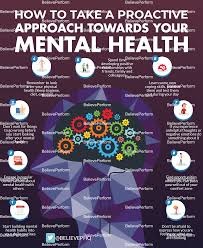
The cleanliness is seen in the reduction of cortisol levels, which is the primary stress hormone. When you begin with a clear, peaceful mind, you have a calm reference point to which you may look back when things become tough. The goal, according to mental health consultant David Sawyer, is to establish a baseline sensation that will help you feel better while you go about your daily activities. In his words, it is only a matter of learning to handle and nourish that inner space with awareness.
Daily writing and trying various hobbies might assist you in identifying what activities make you feel the most tranquil and stress-relieved in the long run. According to psychologist Tom Sawyer, you may begin to seek to check in with your mental state at increasingly frequent intervals during the day. Sawyer recommends including some kind of low-impact physical exercise into your schedule at least three days a week, such as walking, riding, or yoga. If you can, schedule some time at the end of the day to wind down and relax, he recommends. Step away from screens and decompress, he advises.
The biggest Alzheimer’s study ever finds new genes and pathways involved in disease progression.

CREDIT: GETTY IMAGES
The groundbreaking study’s findings imply physicians can better anticipate whether a patient is genetically prone to Alzheimer’s. Alzheimer’s disease affects over 5.8 million Americans. Researchers from France’s Université de Lille performed the study. A genetic risk score may help determine who is most likely to develop Alzheimer’s.
To better understand Alzheimer’s and create medicines that delay or prevent the disease start, the research represents a huge step forward. The next stage is for researchers to concentrate on the study’s risk genes and their influence in brain cell malfunction and death.







 The Dantzler Report!