Category Archives: brain

Understanding the Complex Relationship Between Depression and Cognitive Function

In a new study recently published in Psychiatry Research: Neuroimaging, researchers from Bartin University and Istanbul Medipol University in Turkey shed light on the intricate connection between depression and cognitive function, specifically visuospatial memory. This study shows that depression can affect more than just emotional symptoms. It can also affect cognitive abilities, possibly leading to changes in the brain’s structure and function, especially in the prefrontal cortex and deeper parts like the amygdala.
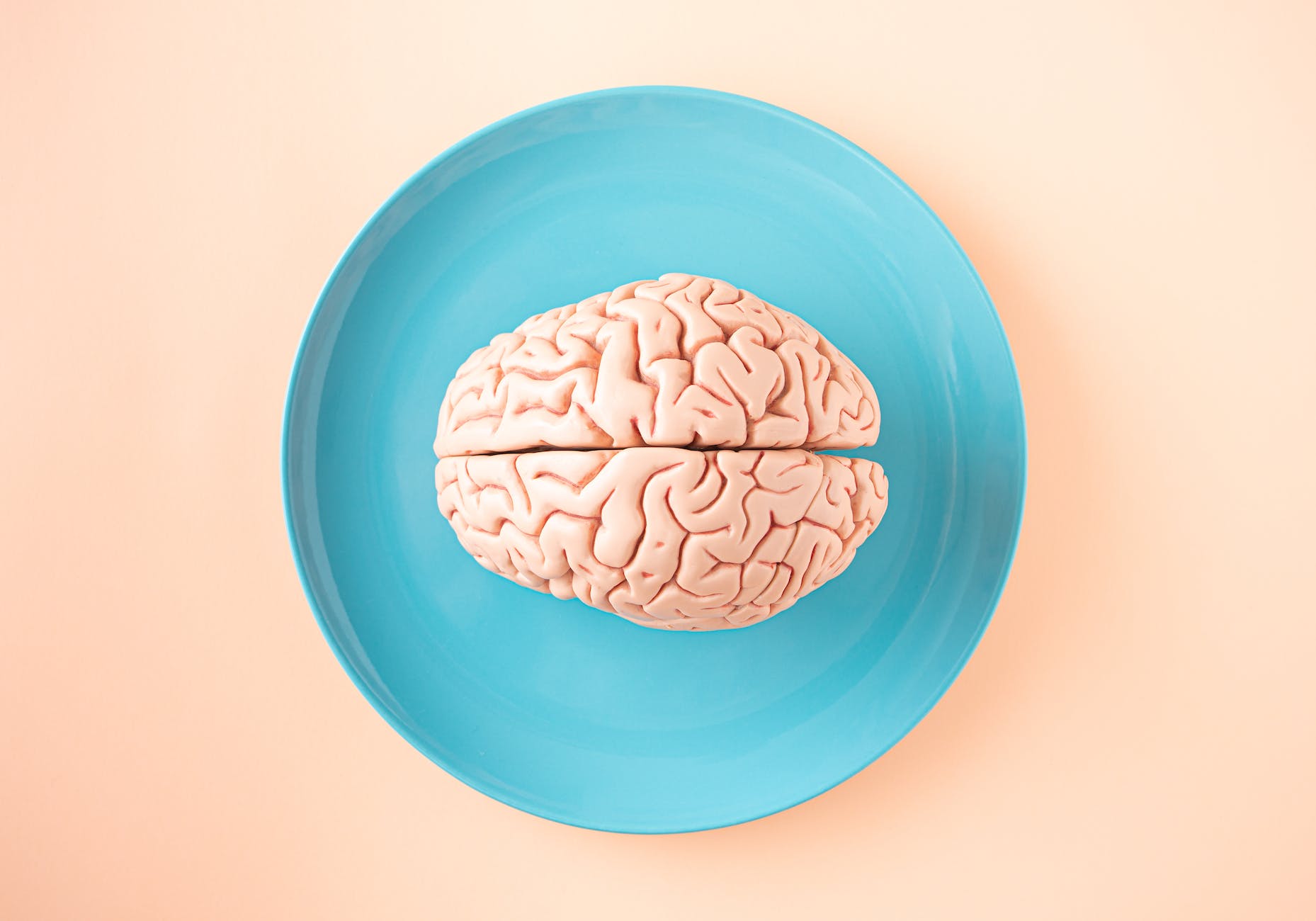
Photo by Amel Uzunovic on Pexels.com

Previous studies had mixed results on how depression affected cognitive abilities and brain activity during cognitive tasks. This is what motivated Ozge Vural Keleş and Erol Yıldırım to look into these problems more.

To explore the relationship between depression and visuospatial working memory, the researchers administered the Beck Depression Inventory (BDI) to 501 volunteer university students and graduates. The study included 23 individuals with high depression scores and 20 with low depression scores, with similar ages and education levels in both groups.

Participants engaged in a visuospatial 2-back working memory task, assessing their working memory performance. This task required remembering the location of visual stimuli (faces or words) within a circular display and determining if the current stimulus matched the one presented two steps back in the sequence (the “2-back” condition). Functional near-infrared spectroscopy (fNIRS) was used to record brain responses in the prefrontal cortex during the task.

Surprisingly, the results indicated no significant behavioral differences between the high and low BDI groups, suggesting that visuospatial memory abilities were similar in both groups. However, fNIRS showed that people with high BDI scores had more activity in the right dorsolateral prefrontal cortex while they were doing the task compared to people with low BDI scores. This suggests that the high BDI group exerted additional effort to achieve similar performance.

Although the study has some limitations, such as the lack of an official clinical diagnosis in the high BDI group and the relatively low task difficulty, it provides valuable insights into the relationship between depression and cognitive function. The findings highlight the complexities of depression’s impact on cognitive abilities and offer new avenues for future research in this field. Understanding these complexities is crucial for providing better support and interventions for individuals dealing with depression.

Cited Works:

Setionago, Bianca. “Depression Linked to Increased Frontal Brain Activity during Memory Tasks, Finds New Research.” PsyPost, October 20, 2023. https://www.psypost.org/2023/10/depression-linked-to-increased-frontal-brain-activity-during-memory-tasks-finds-new-research-214075?fbclid=IwAR2bAybaQYAO_cG9OAMNgA8DdauoLIdDzy8YJrdtDWk1dS6u8GurzZ4V-7o.

Study Examines Brain Activity in Near-Death Experiences: Shedding Light on the Mysteries of the Mind at the Brink of Death

Introduction
Near-death experiences (NDEs) have long been fascinating, controversial, and debated. There have been reported descriptions of bright lights, heavenly realms, and out-of-body occurrences on the brink of death, but scientific explanations have been hard to come by. A groundbreaking study now offers an in-depth look into the brain activity during these experiences, opening the door for a new understanding of consciousness, mortality, and perhaps even the soul.

The Study
The research involved monitoring the brain activity of critically ill patients with life-threatening conditions. Using state-of-the-art EEG (Electroencephalogram) equipment, scientists could document and analyze fluctuations in brain activity during moments when patients were close to death. The results were as intriguing as they were unexpected.

Findings
The study found heightened activity in specific brain parts, particularly regions associated with memory, sensory perception, and self-awareness. The study showed spikes in brain activity rather than a decrease in brain function, as one might anticipate near the end of life. These findings challenge the conventional notion that consciousness dims as one approaches death, suggesting a heightened state of awareness instead.

Skepticism and Criticisms
These findings only persuade some people. Skeptics question the methodology and wonder if the heightened brain activity could result from other factors like medication or physiological changes as the body shuts down. Some critics argue that while the study may offer insights into brain function, it does not necessarily explain the phenomenological aspects of NDEs, like seeing departed loved ones or feeling a sense of peace.

Implications for Science and Spirituality
Regardless of one’s stance on the topic, the study opens new avenues for exploring consciousness and could potentially reconcile spiritual beliefs with scientific inquiry. The heightened brain activity observed in near-death situations could imply that our understanding of consciousness, and possibly spirituality, is far more complex than we currently perceive.

Future Research
Given the profound implications, it is unsurprising that follow-up research is already in the pipeline. Future studies may expand on these initial findings by including a larger sample size, employing more rigorous methods, and investigating cultural and individual beliefs’ roles in shaping near-death experiences.

Conclusion
As we delve deeper into the mysteries of the brain and consciousness, studies like this make it increasingly clear that we are only scratching the surface of understanding. Examining brain activity in near-death experiences challenges our existing paradigms and asks us to reconsider our notions of life, death, and what lies in between. Whether you approach this subject from a scientific, spiritual, or skeptical standpoint, one thing is sure: the journey to understanding the complexities of the human experience is far from over.
Cited Works
Paul Williams, DDS, Dentistry Sleeping Away Your Stress Is the Ideal Way to Lower Anxiety, a Berkeley Study Finds. https://paulwilliamsdds.com/sleeping-away-your-stress-is-the-ideal-way-to-lower-anxiety-a-berkeley-study-finds/

Owens, J., Emily W. Cook, and Ian Stevenson. “Features of” near-death experience” in relation to whether or not patients were near death.” The Lancet 336, no. 8724 (1990): 1175–1175.

Beauregard, Mario, Jérôme Courtemanche, and Vincent Paquette. “Brain activity in near-death experiencers during a meditative state.” Resuscitation 80, no. 9 (2009): 1006–1010.