All posts by Kenneth Dantzler-Corbin

I am a writer, editor, adjunct professor of Religion and Philosophy, English as a Second Language, Genealogy, Educator in Ambulatory Care, and Spiritual Support Specialist, Singer, Musician, and Social Justice Advocate for Human Rights.

The Surprising Link Between Dental Health and Brain Function

Introduction

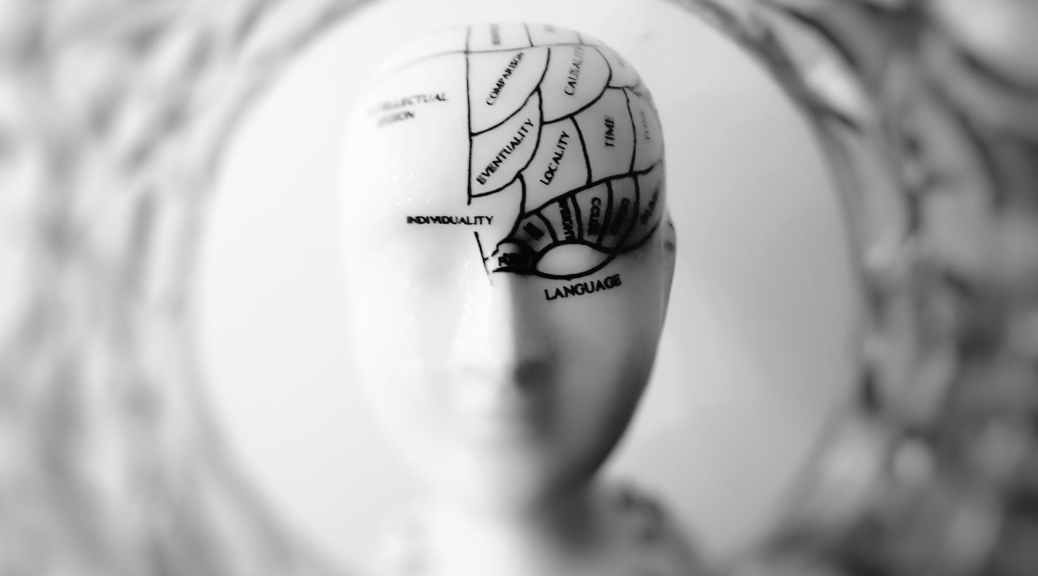
From a young age, we have always been told to take care of our teeth for oral health and to avoid tooth loss as we grow older. However, recent research from Japan suggests that the consequences of poor dental hygiene go beyond just gum health – they may also impact our brains. Scientists have discovered a correlation between tooth loss, gum disease, and shrinkage in the hippocampus, a brain region associated with memory and Alzheimer’s disease. These findings raise important considerations about preserving not only gum health but also brain health.

The Study and Its Implications

One hundred seventy-two participants who were 55 or older participated in the study by researchers at Tohoku University in Japan. At the beginning of the study, the participants underwent memory tests, and data on their general health and medical history were collected. Magnetic resonance imaging (MRI) scans were performed to measure the hippocampus volume at the start of the study and four years later.

Dentists counted the number of teeth and examined periodontal probing depth (PD) to assess gum disease. According to the researchers, the number of teeth and the severity of gum disease affected the volume of the left hippocampus. Individuals with mild gum disease and fewer teeth experienced faster shrinkage in the left hippocampus. Surprisingly, one less tooth was found to increase the rate of brain shrinkage in people with mild gum disease, comparable to an additional year of brain aging.

On the other hand, individuals with severe gum disease and more teeth showed a faster rate of brain shrinkage in the same region. An additional tooth in those with severe gum disease led to left hippocampus shrinkage equivalent to 1.3 years of brain aging.

Promoting Dental Health for Cognitive Well-being

While this study does not establish a causal relationship, it highlights the significance of oral health in relation to cognitive function. Dentists and healthcare professionals must consider the potential impact of dental health on brain health when making critical decisions about patients’ oral care. It also emphasizes the importance of regular dental visits and proper management of gum disease.

Although the study had a small sample size and focused on one region, further research on more extensive and diverse populations is necessary to generalize the results. Nonetheless, it serves as a reminder that maintaining good dental hygiene is crucial for oral health and cognitive well-being.

Conclusion

The link between dental health and brain function adds a new dimension to our understanding of the importance of oral care. Tooth loss and gum disease have been associated with changes in the hippocampus, a brain region essential for memory and impacted by Alzheimer’s disease. While more research is needed to establish the causal relationship, these findings emphasize the need to prioritize dental health to preserve our smiles and cognitive abilities. So, next time you brush your teeth, remember that you are caring not just for your gums but also for your brain.

Cited Works
Li, Q., Ye, H., Ding, Y., Chen, G., Liu, Z., Xu, J., Chen, R., & Yang, H. (2017). Clinical characteristics of moderate-to-severe thyroid-associated ophthalmopathy in 354 Chinese cases. PLoS One, 12(5), e0176064.

Why we champion the role of the dental hygienist in south-west London?. https://www.dentistsw4.com/latest-news/why-we-champion-the-role-of-the-dental-hygienist-at-our-south-west-london-practice/

JCI Insight – Exploring the cardiac response to injury in heart transplant biopsies. https://insight.jci.org/articles/view/123674

HIV Case Linked to “Vampire Facial” Raises Concerns

Alarming news has emerged from the New Mexico Department of Health, revealing a new case of HIV linked to a “vampire facial” procedure performed at an Albuquerque spa that closed its doors in 2018. The department had previously associated two cases of HIV with injection-related procedures at the same spa in 2019. Consequently, the Department of Health has reopened its investigation into the spa and urges former clients who received injection-related services, including vampire facials and Botox, to undergo testing for HIV, hepatitis B, and hepatitis C. This latest incident highlights the importance of ensuring the safety and regulation of cosmetic procedures to protect the health and well-being of individuals.

Understanding the “Vampire Facial”

The term “vampire facial” refers to a cosmetic procedure involving extracting a patient’s blood and processing it to separate the platelet-rich plasma (PRP), and then re-injecting the PRP into the face. It gained popularity due to claims that it rejuvenates the skin, stimulates collagen production, and reduces the appearance of wrinkles and fine lines. While licensed professionals in safe environments have performed this procedure, it is crucial to acknowledge that improper handling of blood products or unhygienic practices can pose serious health risks.

The Repercussions of Improper Practices

The recent HIV case linked to the Albuquerque spa is a stark reminder of the potential dangers associated with inadequate infection control and improper handling of medical procedures. It is essential for individuals seeking cosmetic treatments to choose reputable and certified professionals who prioritize patient safety and follow strict hygiene protocols. Such incidents emphasize the need for comprehensive regulations and oversight within the beauty and wellness industries to protect consumers from harm.

Reopening the Investigation

The New Mexico Department of Health’s decision to reopen the investigation into the spa underscores its commitment to public health and safety. By urging former clients who received injection-related services, including vampire facials and Botox, to undergo testing for HIV, hepatitis B and hepatitis C, the department aims to identify and mitigate potential risks. This proactive approach demonstrates the importance of timely and thorough investigations to protect the well-being of affected individuals and prevent further transmission of infectious diseases.

The Importance of Vigilance and Regulation

The emergence of this HIV case highlights the ongoing need for vigilance and regulation in the cosmetic and beauty industries. It serves as a reminder for consumers and practitioners to prioritize safety and hygiene during all procedures. Additionally, policymakers and regulatory bodies must continue to strengthen and enforce regulations to ensure that all establishments offering cosmetic treatments follow proper infection control measures.

Conclusion

The recent HIV case linked to a “vampire facial” at the Albuquerque spa underscores the potential risks associated with cosmetic procedures and the importance of maintaining strict safety and hygiene standards. This incident serves as a reminder for individuals seeking such treatments to carefully select reputable professionals and for regulatory bodies to ensure proper industry oversight. The health and well-being of consumers should always be prioritized, and efforts must be made to strengthen regulations, enforce compliance, and educate both practitioners and clients on best practices. By working together, we can help create a safer environment for cosmetic procedures and prevent similar incidents from occurring in the future.

Cited Works
NHS England » Emergency department opt out testing for HIV, hepatitis B and hepatitis C: The first 100 days. https://www.england.nhs.uk/publication/emergency-department-opt-out-testing-for-hiv-hepatitis-b-and-hepatitis-c-the-first-100-days/

Coronavirus Mega-Thread. – Page 4149 – Covid-19 & NWO – David Icke Social Forum. https://forum.davidicke.com/index.php?/topic/5503-coronavirus-mega-thread/page/4149/

Supreme Court Decision Threatens Progress in Combating Discrimination

Introduction

In a recent and profoundly concerning decision, the United States Supreme Court ruled that Colorado’s public accommodations law, designed to protect against discrimination against the LGBTQ+ community, could not be applied to a business engaged in “expressive activity.” This ruling allows a wedding website designer, who opposes gay marriage on religious grounds, to refuse service to same-sex couples. In his majority opinion, Justice Neil Gorsuch argued that compelling the designer to serve LGBTQ+ couples would violate her free speech rights. However, this decision not only undermines LGBTQ+ rights and dignity but also poses a significant threat to the progress made in fighting discrimination against historically marginalized Americans.

Blurring the Lines Between Discriminatory Conduct and Speech

The Supreme Court’s failure to distinguish between discriminatory conduct and protected speech represents a fundamental misunderstanding. The designer’s refusal to provide services to same-sex couples based on their sexual orientation is a clear act of discrimination, not an exercise of free speech. By characterizing this discriminatory conduct as speech, the Court’s decision allows individuals to weaponize their beliefs to justify discriminatory actions, eroding the safeguards established to protect marginalized communities.

Compromising LGBTQ+ Rights and Dignity

In this case, the Supreme Court’s ruling deals a severe blow to LGBTQ+ rights and dignity. It conveys that discrimination against LGBTQ+ individuals is acceptable if it is cloaked in religious freedom or protected speech. This decision undermines the progress made in recent years to ensure equal treatment and equal opportunities for LGBTQ+ people in various aspects of life, including public accommodations. It threatens to roll back the hard-fought advancements in recognizing LGBTQ+ rights as human rights, putting the community at risk of further marginalization and harm.

Threatening the Legal System and Progress

The Supreme Court’s failure to differentiate between discriminatory conduct and protected speech sets a dangerous precedent. By conflating the two, the Court jeopardizes the effectiveness of anti-discrimination laws and weakens the legal tools available to combat all forms of discrimination. Over the years, the United States has made significant strides in combating discrimination against historically marginalized groups, such as racial and ethnic minorities, women, and the LGBTQ+ community. This decision threatens to unravel decades of progress by providing a potential loophole for businesses to discriminate against anyone they choose under the guise of free speech or religious freedom.

Conclusion

The Supreme Court’s recent decision on Colorado’s public accommodations law undermines LGBTQ+ rights and dignity while compromising progress in the fight against discrimination. By equating discriminatory conduct with protected speech, the Court fails to uphold equality and justice and endangers the legal framework designed to protect historically marginalized Americans. Lawmakers, advocates, and society must recognize the implications of this decision and work towards ensuring equal treatment and protection for all, regardless of their sexual orientation or gender identity. The battle for equality must continue, and we must remain vigilant in defending the rights and dignity of every individual in our society.

Cited Work
Navigating the Intersection of Law and Social Justice: A Look at Racial and Gender Equality, Immigration, and LGBTQ Rights. https://www.legalserviceindia.com/legal/article-10137-section-143a-of-negotiable-instruments-act-power-of-the-court-to-direct-interim-compensation.html

The Intersection of Constitutional Law and Student Loan Borrowers: Implications of a Recent Supreme Court Decision

The United States Supreme Court is seen in Washington, U.S., March 27, 2023. REUTERS/Evelyn Hockstein/File Photo

The United States Supreme Court is seen in Washington, U.S., March 27, 2023. REUTERS/Evelyn Hockstein/File Photo

A recent U.S. Supreme Court decision that significantly impacts student loan borrowers is evidence of the intersection between constitutional law and its effects on economics and psychology. The court’s decision against President Joe Biden’s student loan forbearance program eliminates the potential relief of up to $20,000 for graduates. This ruling, combined with the resumption of debt payments, will undoubtedly impact borrowers’ financial well-being and confidence. With the court deeming the loan forgiveness plan unconstitutional, the hopes of a more manageable financial future for approximately 43 million borrowers have been dashed. Without an alternative plan from the White House, graduates must resume making loan payments starting in October, adding further strain to their wallets and potentially affecting their financial security.

It is disheartening to witness the prevalence of complaints surrounding the repayment of student loans. It is essential to recognize that exhibiting selfishness in various aspects of life does not lead to positive outcomes. It is crucial to remember that everyone encounters situations requiring assistance and support.

Resource:
Resetting student loans brings Econ 101 lessons. https://www.reuters.com/breakingviews/resetting-student-loans-brings-econ-101-lessons-2023-06-30/?fbclid=IwAR1QI0aH272qjvWVxVMOJ9M7nP4u_1MRgC22KjJ2Ln7_yyYJqD0ROrytOLM

Nutrition Matters: The Importance of Healthy Eating for Individuals with Alzheimer’s Disease

Eating a healthy diet is crucial for individuals with Alzheimer’s disease to maintain their well-being. This article provides helpful tips for healthy eating in the context of Alzheimer’s. When a person with Alzheimer’s lives with you, buying and preparing nutritious foods that they enjoy and can easily consume is essential. Offering choices and opting for easy-to-prepare meals can simplify the process. For those living alone, non-cooking food options can be purchased, and regular reminders about meals should be given. Maintaining familiar routines and serving favorite foods can make mealtimes more accessible, providing a sense of predictability and comfort for individuals with Alzheimer’s. Patience, respecting personal preferences, and considering cultural or religious food choices are critical. As the disease progresses, adaptations may be necessary, and monitoring weight and eating habits becomes crucial. Caregivers should be attentive to changes in appetite, physical activity levels, and any difficulties with chewing or swallowing, seeking guidance from the person’s doctor when needed.

Some specific examples of easy-to-prepare meals for individuals with Alzheimer’s include:

  1. Sandwiches or Wraps: These can be made with various fillings such as deli meats, cheese, tuna, or egg salad. Using whole-grain bread or wraps adds nutritional value.
  2. Soups or Stews: Prepare simple soups or stews using pre-cut vegetables, lean meats, and low-sodium broth. These can be easily reheated and provide a comforting and nutritious option.
  3. Pre-made Salads: Pre-packaged salads with mixed greens and vegetables can be convenient. Adding grilled chicken, boiled eggs, or canned tuna can increase protein content.
  4. Yogurt Parfait: Layer yogurt, fresh fruits, granola, or nuts in a bowl or cup. It is a quick and nutritious option that can be customized based on taste preferences.
  5. Frozen Meals: Look for pre-packaged frozen meals for older adults or individuals with specific dietary needs. These often require minimal preparation and can provide a balanced meal.
  6. Smoothies: Blend fruits, yogurt, and a liquid like milk or juice to create a nutritious and easy-to-consume smoothie. This can be an excellent option for those struggling with solid foods.

Remember to consider any dietary restrictions or preferences when preparing these meals. It is essential to consult with a healthcare professional or dietitian for personalized recommendations based on individual needs.

Resources
Woodland Valley Softball Little League > Home. https://tshq.bluesombrero.com/Default.aspx?tabid=2520883&mid=2561201&newskeyid=HN1&newsid=267815&ctl=newsdetail
New Discovery: How Much Magnesium Should A Diabetic Take Daily – BeatingDiabetes. https://beatingdiabetes.org/how-much-magnesium-should-a-diabetic-take-daily/

How do muscle contractions and the chemical signals they release contribute to the development of brain networks?

The discovery that muscle contractions release chemical signals that promote brain network development provides valuable insights into the intricate link between physical activity and cognitive function. It sheds light on the molecular mechanisms underlying the observed cognitive benefits of regular physical exercise, especially in the context of age-related cognitive decline and neurodegenerative diseases like Alzheimer’s. The brain is a highly dynamic organ, and these findings suggest that physical activity may support its plasticity and resilience through these muscle-derived signals, thus playing a key role in preserving cognitive function as we age.

This newfound understanding of the role of muscle contractions in brain development has substantial implications for therapeutic strategies and exercise recommendations. Conditions where brain network development is compromised or slowed, such as in certain developmental disorders or following brain injuries, could potentially benefit from tailored physical activity programs designed to stimulate muscle contraction and hence, release of these beneficial chemical signals. This approach may contribute to neural repair and reorganization, aiding recovery and supporting cognitive function in these individuals.

This research not only expands our biological understanding but also underscores the potential value of physical exercise in clinical settings. It provides a strong rationale for the integration of regular physical activity into therapeutic regimes, not just for its well-known cardiovascular benefits, but also for its potential neuroprotective effects. Further research is needed to identify the most effective types and intensities of exercise for different patient groups, but the existing findings clearly highlight the role of physical activity in brain health and development.

Resource

Rodríguez‐Valentín, Rocío, Ignacio López‐González, Ramón Jorquera, Pedro Labarca, Mario Zurita, and Enrique Reynaud. “Oviduct contraction in Drosophila is modulated by a neural network that is both, octopaminergic and glutamatergic.” Journal of cellular physiology 209, no. 1 (2006): 183-198.

Fagerlund, M. J., and L. I. Eriksson. “Current concepts in neuromuscular transmission.” British journal of anaesthesia 103, no. 1 (2009): 108-114.

Woolf, Nancy J., and Larry L. Butcher. “Cholinergic systems mediate action from movement to higher consciousness.” Behavioural brain research 221, no. 2 (2011): 488-498.

Are individuals with low levels of vitamin D at an increased risk of developing long COVID?

Recent research presented at the 25th European Congress of Endocrinology has suggested that low vitamin D levels may increase the risk of developing long COVID. This is a condition where the symptoms of COVID-19 persist for more than 12 weeks after the initial infection. The study looked at 100 patients with and without long COVID and found that those with long COVID had lower levels of vitamin D. This correlation was particularly evident in patients who experienced symptoms like confusion, forgetfulness, and poor concentration. While more research is needed to confirm the link, scientists are exploring whether vitamin D supplements could help reduce the risk of long-term COVID and improve its symptoms.

Long-term COVID risk may increase with low levels of vitamin D. https://www.news-medical.net/news/20230513/Long-COVID-risk-may-increase-with-low-levels-of-vitamin-D.aspx

The Vitamin D Society. http://vitamindsociety.org/

Post-COVID-19 condition (long COVID) – Canada.ca. https://www.canada.ca/en/public-health/services/diseases/2019-novel-coronavirus-infection/symptoms/post-covid-19-condition.html

LONG COVID LINKED TO VITAMIN D DEFICIENCY. http://www.cachehosting.com/news/other/long-covid-linked-to-vitamin-d-deficiency/ar-AA1baMoE

Are current dietary recommendations for cardiovascular health facing challenges in light of emerging evidence regarding the impact of saturated fatty acids on the levels of low-density lipoprotein cholesterol (LDL-C) and lipoprotein A (Lp(a))?

A recent perspective piece published in The American Journal of Clinical Nutrition delved into the current dietary recommendations aimed at reducing the intake of saturated fatty acids in order to mitigate the risk of cardiovascular disease.

The article shed light on the impact of lower saturated fatty acid intake on low-density lipoprotein cholesterol (LDL-C) and lipoprotein A. While dietary modifications have garnered significant attention in cardiovascular disease prevention, the effectiveness of replacing saturated fatty acids with alternative options remains unclear. Recent studies have shown that while reducing saturated fatty acid intake lowers LDL-C levels, it leads to an increase in lipoprotein A levels, which is associated with an elevated risk of cardiovascular disease. Lipoprotein A has been identified as an independent risk factor for atherosclerosis-related cardiovascular disease. Although genetic factors primarily regulate lipoprotein A levels, certain non-genetic factors, including dietary saturated fatty acid intake, contribute to its increase. Replacing saturated fatty acids with carbohydrates or monounsaturated fatty acids does lower LDL-C levels but also results in a concurrent increase in lipoprotein A levels. This finding calls for further research and better clinical practices to monitor the effects of dietary changes on lipoprotein A and LDL-C levels. Additionally, assessing cardiovascular disease risk accurately may require measuring LDL-C independently of lipoprotein A cholesterol content or including an evaluation of lipoprotein A cholesterol content. The study suggests that individualized dietary recommendations tailored to lipid profiles and considering additional cardiac health markers, such as lipoprotein A cholesterol content, may be necessary for effective disease prevention.

Dietary Recommendations For Cardiovascular Health Challenged By New …. https://primenewsprint.com/health/dietary-recommendations-for-cardiovascular-health-challenged-by-new-evidence-on-saturated-fatty-acids-effects-on-ldl-c-and-lpa-levels/

Why did the Illinois State House pass a bill prohibiting book bans in libraries, and what are the potential implications of this legislation for libraries and their patrons?

The Illinois State House has approved a bill to prevent public and school libraries from restricting access to books and other materials. However, the bill also grants the Illinois secretary of state the power to withhold grant funding from violators. Alexi Giannoulias, the Democratic Secretary of State, started House Bill 2789. It says that libraries that want to get state grants must have a policy against book bans or follow the American Library Association’s Library Bill of Rights. The bill gives public libraries more freedom to buy books and protects them from attempts to censor them. Republican Rep. Martin McLaughlin expressed concern about the state dictating to local library boards. Giannoulias praised the legislation as groundbreaking and vital for defending the freedom of expression against censorship. The Illinois State Senate must now approve the bill.

What would the implication of this pass do to the educational system? The Illinois State House passed a bill prohibiting book bans in libraries to combat the practice of book censorship and support the principles of freedom of expression. The bill also aims to encourage the improvement of free public libraries and promote sharing of library resources, including digital resources. The potential implications of this legislation for libraries and their patrons are significant. Libraries must adopt a policy against book bans or adhere to the Library Bill of Rights established by the American Library Association to qualify for state grants. This may lead to increased transparency and accountability for libraries but also create tension between local library boards and the state. Additionally, the legislation may help protect patrons’ right to access information and expand their reading choices while ensuring that libraries are not subject to external limitations or censorship attempts. However, the bill’s potential impact on the availability of controversial library materials and the balance between freedom of expression and public decency may be debated.

Source

Nur Ibrahim. Did Illinois State House pass a Bill Prohibiting Book Bans in Libraries?https://www.snopes.com/fact-check/illinois-house-bill-prohibiting-book-bans-libraries/.

Who is Francisco Pizarro Gonzalez?

Francisco Pizarro González, Marquess of the Atabillos, was a Spanish conqueror who lived from March 16, 1478, to June 26, 1541. He is best known for taking over Peru.

Pizarro, a poor Spaniard from Trujillo, sought wealth and adventure in the New World. He visited the Gulf of Urabá and crossed the Isthmus of Panama with Vasco Nez de Balboa, becoming the first European to see the Pacific Ocean from the Americas. He was mayor of Panama City and led two failed Peruvian missions. Then, after getting permission from the king, Pizarro traveled on his third and most successful trip to Peru in 1529.

Pizarro created Peru’s first Spanish town, San Miguel de Piura after coastal residents fought his assault. In November 1532, Pizarro defeated Atahualpa at the Battle of Cajamarca. In July 1533, Pizarro killed Atahualpa after demanding a fee for the emperor’s freedom. Pizarro reached Cuzco and conquered Peru the same year. He created Lima in January 1535. Pizarro died in 1541.

Pizarro appears in my genealogical chart as a 14th cousin 9x removed.

Cite Resource

Francisco Pizarro – Wikipedia. https://en.wikipedia.org/wiki/Francisco_Pizarro