Tag Archives: mindfulness

The Benefits of Mindful Eating

Mindful eating is a practice that encourages you to be fully present during meals. Mindful eating involves savoring each bite of food while engaging all the senses and paying close attention to the body’s signals of hunger and fullness. By adopting mindful eating habits, individuals can improve their digestion, reduce the likelihood of emotional overeating, and foster a healthier relationship with food. This approach to eating can be a valuable tool in promoting overall wellness and should be considered part of a comprehensive approach to health management.

Practicing mindfulness while eating also helps you appreciate the flavors and textures of your meals, leading to greater satisfaction and enjoyment. Over time, this approach can lead to more balanced eating patterns and better overall well-being.

Mindful eating is a technique that helps individuals develop a healthier relationship with food by fostering a more vital awareness of their body’s physiological cues and the sensory aspects of eating. By paying close attention to food’s taste, texture, and smell, individuals can become more attuned to their body’s hunger and fullness signals, thereby reducing overeating and promoting a more balanced diet. This practice also encourages a greater appreciation for the quality and source of food, which can lead to more sustainable and ethical food choices.

Citation:

Nelson, J. B. (2017). Mindful eating: The art of presence while you eat. Diabetes spectrum: a publication of the American Diabetes Association30(3), 171.

Jordan, C. H., Wang, W., Donatoni, L., & Meier, B. P. (2014). Mindful eating: Trait and state mindfulness predict healthier eating behavior. Personality and Individual differences68, 107-111.

Warren, J. M., Smith, N., & Ashwell, M. (2017). A structured literature review on the role of mindfulness, mindful eating, and intuitive eating in changing eating behaviors: effectiveness and associated potential mechanisms. Nutrition research reviews30(2), 272-283.

The Power of Mindfulness: A Guide to Healthy Meditation

In today’s fast-paced world, finding peace and relaxation is essential for our mental and physical well-being. Meditation, specifically mindfulness meditation, has gained popularity for its numerous health benefits. In this blog post, we’ll explore the power of mindfulness and provide a guide to help you incorporate healthy meditation practices into your daily life.

The Basics of Mindfulness Meditation:
Mindfulness meditation involves paying focused and non-judgmental attention to your thoughts, sensations, and surroundings. It encourages you to be fully present in the moment, allowing you to reduce stress, improve concentration, and enhance overall mental clarity.

Getting Started:

Find a Quiet Space: Choose a peaceful location where you won’t be disturbed. It could be a corner of your home, a park, or even a quiet room at work during your break.

Comfortable Posture: Sit or lie down in a comfortable position. You can use a cushion or chair for added comfort.

Focus on Your Breath: Close your eyes and focus on your breath. Pay attention to the sensation of your breath as it enters and leaves your body.

Non-Judgmental Observation: When thoughts arise (as they inevitably will), acknowledge them without judgment and gently guide your focus back to your breath.

Start Slow: Begin with just a few minutes of meditation each day and gradually increase the duration as you become more comfortable.

Benefits of Mindfulness Meditation:

Stress Reduction: Mindfulness meditation helps activate the body’s relaxation response, reducing stress hormones like cortisol.
Improved Concentration: Regular meditation enhances your ability to focus and concentrate on tasks.
Emotional Regulation: It can help manage emotions, reducing symptoms of anxiety and depression.
Better Sleep: Mindfulness can improve the quality of your sleep by calming a racing mind.

Citation:

Burke, A., Lam, C. N., Stussman, B., & Yang, H. (2017). Prevalence and patterns of use of mantra, mindfulness, and spiritual meditation among adults in the United States. BMC complementary and alternative medicine, 17(1), 1-18.

Kabat-Zinn, J., Siegel, D., Hanh, T. N., & Kornfield, J. (2011). The mindfulness revolution: Leading psychologists, scientists, artists, and meditation teachers on the power of mindfulness in daily life. Shambhala Publications.

Shapiro, D., & Shapiro, E. (2019). Unexpected Power of Mindfulness and Meditation. Courier Dover Publications.

Is the “Spirituality Revolution” genuinely democratizing spiritual experiences for all, or is it diluting traditional spiritual and religious practices by making them more commercial and superficial?

The Spirituality Revolution: No Longer Just for the Religious

There has been a notable change in the societal perception of spirituality in recent years. The era in which spirituality was limited to religious traditions, sacred texts, and monasteries has passed. This issue is of global significance today, impacting individuals regardless of their religious beliefs. This phenomenon, commonly referred to as the “Spirituality Revolution,” is a spontaneous societal movement that acknowledges the significant impact of spirituality on various aspects of life, including health, community, and overall well-being.

Broadening The Definition of Spirituality

Historically, spirituality has been closely associated with religious beliefs and practices. The study focused on the influence of intergenerational transmission of doctrines and customs on individuals’ connections with divine power. Modern spirituality is becoming more individualized. The process of self-discovery is commonly regarded as a personal endeavor aimed at comprehending one’s inner being, the interdependence of all living entities, and the enigmas of the cosmos.

The Healing Powers of Spirituality

The field of medical research is increasingly acknowledging the longstanding understanding among many spiritual traditions about the profound connection between the spiritual and physical realms. A substantial body of research indicates that engaging in spiritual activities, including meditation, mindfulness, and prayer, may benefit mental and physical well-being. These practices can potentially decrease stress levels, enhance concentration, and perhaps positively impact several diseases, including depression and chronic pain.

Community Building and Social Bonds

The new spirituality revolution is not just about individual enlightenment or well-being. It also has communal aspects. Spiritual awareness often fosters a greater sense of community and belonging. Whether it is a yoga class, a meditation group, or a non-religious spiritual gathering, these new “congregations” serve as platforms where like-minded individuals can come together, share, and grow.

Navigating Life’s Challenges

Life is fraught with challenges that can be daunting to navigate alone. Spirituality often provides the framework to understand and manage life’s complexities. Whether it is the loss of a loved one, career challenges, or global crises, a spiritual perspective can offer a bigger picture and a different viewpoint, enabling resilience and a deeper understanding of life events.

The Future of the Spirituality Revolution

This new focus on spirituality is not a fleeting trend but a lasting shift in societal values. The spirituality revolution can profoundly change how society approaches life, health, and community. However, like any significant societal shift, it also comes with its own set of challenges. The commercialization of spirituality, the potential for superficial engagement, and the risk of cultural appropriation are issues that must be navigated carefully.

In conclusion, the spiritual revolution is democratizing what was once the realm of religious traditions and specialists. Its effects are far-reaching and touch upon various aspects of life, including mental and physical health, community building, and individual well-being. As society continues to evolve, it is clear that spirituality will remain an essential part of the human experience, accessible to all and not just a select few.

Cited Works
Tacey, David John. The Spirituality Revolution: The Emergence of Contemporary Spirituality Psychology Press, 2004.

How does spirituality function as a cohesive element in the human experience, and what are the implications for individual and collective well-being in a society that increasingly marginalizes spiritual concerns?

Spirituality serves as a cohesive element in the human experience. Spirituality’s importance lies in providing individuals with a sense of purpose, meaning, and belonging. It helps people make sense of their lives and find comfort and hope in difficult times. Spirituality can also promote personal growth and self-awareness and help individuals develop a moral and ethical framework for their actions. However, it is essential to note that spirituality can mean different things to different people and should be respected as a personal and subjective experience.

The Eclipse of Spirituality in the Modern Age: Navigating Information Overload, Consumerism, and Political Polarization

Spirituality frequently goes unnoticed in today’s world of abundant information, pervasive consumerism, and polarizing political discourse. However, several writers and researchers see spirituality as the cohesive element or the fundamental concept that delineates the intrinsic nature of an individual. The linchpin is a crucial element that maintains a sense of order in the chaotic nature of life, providing shelter from the continuous barrage of external influences that impact our lives. This article explores why spirituality, which is often overlooked in current discourse, warrants more consideration and its potential as a cohesive influence in a progressively divided global society.

The Multifaceted Landscape of Spirituality: From Institutionalized Religions to Personal Transcendent Experiences

The term “spirituality” evokes many reactions and understandings, including a spectrum that includes institutionalized religions and their teachings and personal encounters with transcendence. The notion has several facets beyond religion, culture, and philosophy. However, spirituality is fundamentally the cornerstone of our most profound convictions, ethical principles, and existential meaning. The concept discussed pertains to the framework through which humans understand their interconnectedness with the planet, other people, and a transcendent entity sometimes called the “Divine” or “Higher Power.”

The Dual Role of Spirituality: Understanding Existential Placement and Inspiring Elevated Living Standards

Spirituality serves as a means for humans to comprehend their existential position within the cosmos while simultaneously motivating them to aspire towards an elevated standard of living. This goal is shown through a range of actions, including acts of benevolence, the acquisition of knowledge, and the search for personal tranquility. Spirituality fosters an inclination among individuals to transcend their current preoccupations and short-range objectives to nurture a comprehensive outlook that encompasses the physical, mental, and spiritual dimensions. In this context, it is the fundamental basis upon which people may construct a purposeful and satisfying existence.

The Dual Role of Spirituality: Understanding Existential Placement and Inspiring Elevated Living Standards

The lack of spiritual inclination or the diminished significance attributed to questions of spirituality in contemporary discussions often reflects an internally conflicted culture. The relentless pursuit of wealth, power, and momentary gratification frequently overshadows the profound and long-lasting aspects of human life in today’s society, characterized by an overwhelming presence of materialistic values. The consequences are readily seen in the growing mental health crises, intensifying social tensions, and the pervasive feeling of emptiness that permeates the collective consciousness. When the decline of spirituality, which serves as the cohesive force uniting individuals via shared values and collective objectives, occurs, society becomes susceptible to an existential crisis. As mentioned above, the need for a cohesive spiritual focal point transitions from being just desirable to being essential.

Empirical Evidence and Wellness: Academic Studies on the Role of Spirituality in Physical and Mental Health

Numerous academic investigations have provided evidence supporting spirituality’s influence on physical and mental well-being. Evidence suggests a positive correlation between a strong spiritual life and several beneficial outcomes, such as reduced stress levels, better coping strategies, increased resilience, and higher immunological function. In addition, spiritual communities, including religious congregations, meditation groups, and charity organizations, provide a supportive network and foster a sense of belonging, which may help alleviate loneliness and despair.

However, it is essential to acknowledge that spirituality does not provide a universally applicable answer to the difficulties encountered in life. The process is a profound and subjective exploration that requires self-reflection, receptiveness, and a readiness to confront uncertainty. However, embarking on this path has the potential for significant benefits, including enhanced understanding, improved interpersonal connections, and a heightened sense of fulfillment in one’s existence. The cohesive influence of spirituality has the potential to function as a fundamental basis for establishing connections across divergent factions, cultivating a sense of understanding and compassion, and ameliorating social rifts.

The Elusiveness of Spirituality: Challenges in Scientific Investigation and Practical Implementation

Critics may contend that spirituality is a notion that is hard to define, making it less conducive to scientific investigation or practical implementation. Although spirituality is always subjective, its significance and the need for a more nuanced comprehension should not be disregarded. The diverse range of spiritual experiences significantly enhances its depth and widespread allure. Acknowledging the significance of spirituality allows researchers, healthcare professionals, and legislators to incorporate it into their respective domains, augmenting the overall quality of human existence across several dimensions.

In summary, the significance of spirituality as a cohesive influence or essential element in the human experience is broad and complex. The concept in question serves as the central point around which the intricacies of human life swirl, providing a focal point for comprehending the world and an individual’s position within it. Although spirituality is sometimes marginalized in modern culture, it deserves a more prominent position in our shared awareness. Acknowledging the spiritual component of human existence can enhance one’s overall well-being, regardless of whether an individual seeks consolation via religious practices, meditation, connection with nature, or participation in the community. In light of the multitude of existential challenges society faces, there is an increasingly urgent need for a reinvigorated emphasis on spirituality. As eloquently said by the renowned poet W.B. Yeats, the universe is replete with enchanting phenomena that remain poised, awaiting the refinement of our faculties to see them more acutely.

Cited Works
Burkhardt, Margaret A. “Spirituality: An Analysis of the Concept.” Holistic nursing practice 3, no. 3 (1989): 69–77.

IS THE TRANSFORMATIVE POTENTIAL OF MINDFULNESS MEDITATION SUPPORTED BY SCIENTIFIC AND ACADEMIC RESEARCH?

Since the recent scientific examination of meditation, which has historically been associated with spiritual beliefs and is often accompanied by a sense of mystery, a clearer understanding of its mechanisms and effects has emerged.

Is the Transformative Potential of Mindfulness Meditation Supported by Scientific and Academic Research?

Spirituality

“Awakening the Soul: Embracing life, liberty, and the pursuit of happiness through consciousness and spirituality” is a profound journey of self-discovery and inner transformation. In this inspiring book, readers embark on a quest to explore the depths of their souls, uncovering the essence of life’s true purpose. Through a fusion of consciousness and spirituality, the pages of this book offer a guiding light to attain a profound understanding of one’s core values and beliefs, fostering a deeper connection with oneself and the world around. Delving into the power of mindfulness and self-awareness, the book opens doors to compassion and empathy, igniting a sense of responsibility towards advocating for justice and liberty for all. Drawing from ancient wisdom and modern insights, “Awakening the Soul” provides a roadmap to embrace life’s joys and challenges, empowering readers to align their actions with the pursuit of happiness and profound fulfillment.

In this passage, the book discusses how the law of attraction can be a catalyst for personal growth. The law of attraction is a belief that like attracts like, meaning that our thoughts and emotions can attract similar energy and experiences into our lives. By embracing the concept of the law of attraction, individuals are encouraged to engage in self-realization, which involves gaining a deep understanding of oneself, including one’s strengths, weaknesses, desires, and beliefs. This process of self-awareness enables individuals to identify and align with their spiritual potential, recognizing the innate power and possibilities within themselves. By focusing on positive thoughts and emotions, individuals can attract positive experiences and opportunities, ultimately leading to personal growth and transformation. Embracing the law of attraction can empower individuals to become more intentional in their actions, choices, and mindset, leading to a fulfilling and spiritually enriched life journey. If you would like to purchase this book, just click on the link : https://www.amazon.com/Awakening-Soul-Embracing-Consciousness-Spirituality/dp/B0C7JCYKTJ/ref=sr_1_13?crid=33QYW714MA09Z&keywords=Kenneth+Dantzler+Corbin&qid=1689858193&sprefix=kenneth+dantzler%2Caps%2C4184&sr=8-13

Meditation brings you closer to God

It is generally asserted that prayer is conversing with God, while meditation is experiencing God. Often folks wonder how meditation brings you nearer to God, especially if these are typically waiting around for a response to something they have now been hoping for more than a period. Meditation is an effective way to get nearer to God since it sets the individual in a condition of mindfulness. Anyone is conscious of this human body, the bedroom for which they genuinely are sitting (or sleeping), as well as the peaceful and serenity regarding the brain within the hypnotic condition. People believe that the most likely place for God to speak with every person is actually from inside their particular mind, as it’s a personal method of interaction, and it is less likely to want to end up being disturbed or occupied from the existence of other individuals.

Meditation when you look at the Scriptures

There are numerous passages when you look at the publication of Psalms that mention mediation. As an example, Psalms 77:12 says, “I will meditate on your works and give consideration to all your valuable great deeds,” or Psalms 1:2 which states, “Those who take pleasure in legislation associated with the Lord as well as on their legislation meditate almost all the time is going to be gifted.”

Throughout Biblical scriptures, there are plenty of sources to meditating and hearing for God’s reply to offer a reaction to the tests and hardships of existence. It’s particular, to numerous individuals who reflect each day, they have the sophistication of God and feel a lot more tranquility from God’s presence and divine energy than others who choose no experience of God through prayer or meditation.

Meditating on God’s Key Words

People regularly hope for several various factors, e.g., “Please permit my daughter or son get back home safely,” or “Please assist me in generating sufficient cash to pay for all my costs these thirty days” or “Please help me to go this test.” Since prayer is inquiring God to meet a need, meditation is the fact that time when individuals tune in to the reactions or directions from God for you to become a much better person and reside in a condition of comfort or sophistication.

Meditation and God For the Sikh trust they genuinely believe that all prayer is dedicated to thanking God for several he has been doing and all of that he’s offered because God understands precisely what every person demands or wishes; thus, it is unneeded to hope and have God for “stuff.” The theories during the Sikh belief instruct visitors to occur very early every single day and spend some time meditating on God and also the terms from God. Some like to work with a kind of prayer beans to keep them centered on their contemplation regarding the divine. The assumption would be that with program meditation, they can get to the desired characteristics and get over issues that the pride provides triggered each day.

In Islam, the Prophet Muhammed invested a considerable amount of their amount of time in meditation and solitude, enjoying God. When you look at the Qur’an, Prophet Muhammed instructs the folks to meditate regarding the existence of Allah (God) and know Allah is seeing. The Qur’an additionally shows that meditation may be the most significant purchase of behavior to God, and this gives comfort to the people who will be training this large order of paying attention to God.

For Christians, meditation is exclusively the main focus on God’s term. They believe whenever their ideas are entirely concentrated on God’s words, then your solutions that they are looking for are given through that time invested in peaceful solitude with God. Most Christians tend to phone this course of action “prayers” rather than “meditation.” It doesn’t matter what the exercise is actually called, Christians feel this rehearse brings all of them nearer to God. The technique of meditation is just a singularly private training. Concentrating on God, being aware of any solutions or thoughts which are offered, tend to be both exceedingly important to anyone who practices meditation and listens to God’s vocals each day.

Three Ways Mindfulness Minimizes Depression

Sixty percent of people who experience one phase of depression could experience a second. Ninety percent of people that go through 3 (three) sequences of sadness is likely to have a last. But help is available: The 8-week Mindfulness-Based Experimental Therapy (MBCT) system been revealed to reduce the likelihood of relapse.

So how does it accomplish the task? To find out, research scientists in Britain spoke to 11 grown-ups who had skilled three or maybe more series of intense depression and had versed MBCT within the recent four years.

They established the interviews to generate a product, among the record Mind calming activities, to point out how MBCT facilitates online marketer share towards the self keeping others. The important thing, it seems, accounts for the same way as MBCT enhances partnerships: Less stress about associations will help protect against future installments of depression. Three specific themes emerged from the investigation:

2. Being present in the self: Discovering how to wait, find, and respondMindfulness habits of MBCT allowed the online marketer to be more healthy, knowledgeable with the most current time, which created them house to pause before replying to others. To becoming anxious about non-acceptance or criticism, they stepped back into understanding their very own automation reactions—and to get more acclimated to others’ needs and emotions. Recognition gave these guys more selection how to respond, as a substitute for becoming grabbed within rising painful feelings.

Two (2). Experiencing fears: It’s fine to say “no” Participants also confirmed that they became more assertive in saying ‘no’ to others so you can reduce their load of responsibility and accountability, letting them become more balanced in their personal and also others’ needs. The authors say that delivering aware consciousness to irritating experiences helped people to technique situations that they can before now avoid, which fostered self-assurance and assertiveness.

Three (3). Being represented by using others being present to others facilitated others to bring in more priority to relationships and appreciate such a time web-sites. They referred to how being present to others helped these items release distressing backgrounds, making it possible for each of them pertains to others in new strategies. Quarrels also became more constructive, as contributors could determine their connection issues, and have been better always ready to move on to another’s viewpoint and concentration on solutions.

Research study individuals also described having higher energy, sensing less flooded by painful feelings, and being in an improved position to cope with and help others. Managing through issues with significant others using stable connections enabled them to experience closer, and requiring the energy and psychological energy to invest time with folks enabled all of them to expand.

Many individuals stated that in the passing of time, the advantages of MBCT which spread throughout their whole life. “Through connected on their circumstances and then to others, these were sense well informed and were communicating with a higher range of societal exercise and interaction,” write the authors.

The scientists come up with within this case the near future; surgery could lay a more particular focus on coming partnerships with the use of mind-calming activities. This placed emphasis could reinforce the advantage of MBCT, and maybe bring about even better consequences in reducing the risk of reversion if you have chronic unhappiness.

Author Resource Box: Three Ways Mindfulness Reduces Depression, https://greatergood.berkeley.edu/article/item/three_ways_mindfulness_reduces_depressio

Do you believe Evidence Mounts That Mindfulness Breeds Resilience?

The advantages of mindfulness are both well-established and wide-ranging. Studies on subjects covering from college students to Marines have discovered this strategy reduces stress and result in increased levels of well-being.

The Mindful Mondays series provides ongoing coverage of the exploding field of mindfulness research.

But why should you, exactly, will be the capability to stay focused on the present moment in a non-judgmental way a powerful catalyst for contentedness? An investigation from India points to a partial answer: Mindfulness breeds resilience.

That’s the conclusion of researchers Badri Bajaj and Neerja Pande. Writing in the journal Personality and Individual Differences, they prove that psychological resilience is significantly more pronounced in mindful people. The scientists also provide evidence that this highly useful quality produces most of the practice’s much-touted benefits.

Bajaj and Pande describe research featuring 327 undergraduates (236 men and 91 women). People completed a series of surveys measuring their mindfulness, life satisfaction, emotional state, and grade of resilience—the capability to cope in stressful situations and get better from adversity.

Their responses to 15 assertions measured mindfulness—or absence thereof; for instance, “I will usually rush to get where I’m going without following the thing I experience along the way.” To gauge their resilience, participants were educated on ten self-descriptive statements, including “able to adapt to change,” “can stay focused under pressure,” and therefore are “not easily discouraged by failure.” They responded to each linked to a five-point scale (“not at all” to “true nearly all considering the time”).

As predicted, the scientists found “individuals with higher mindfulness have greater resilience, increasing their life satisfaction.” They note that resilience “can be considered as a key method to get subjective well-being,” and point out many ways mindfulness can promote this state of mind.

“Mindful people … can more comfortably handle difficult thoughts and emotions without becoming overwhelmed or disabling (emotionally),” they write. “Pausing and observing your mental state may (allow us) resist getting drawn into wallowing within a setback.”

Put a different way, mindfulness “weakens the chain of associations that keep people obsessing about” their problems or failures, which increases the likelihood they could try again.

This isn’t the only reason mindfulness promotes the well-being, naturally. Another new study provides evidence that the practice also encourages self-compassion, which ends up in increased levels of happiness. But increased resilience plays a severe part of this beneficial equation.

“The findings provide support for universities to develop tips that promote mindfulness,” Bajaj and Pande conclude. “Mindfulness training could provide a functional way of enhancing resilience and personality characteristics like optimism, zest, and patience.”

Perhaps this same notion will catch on as studies similar to this continue to increase. If you want to help students thrive (and increase the possibility they could stay in school), it could be smart to improve the overall curriculum a required remedial course: Mindfulness 101.

Author Resource Box:

Evidence Mounts That Mindfulness Breeds Resilience. https://greatergood.berkeley.edu/article/item/evidence_mounts_that_mindfulness_breeds_resilience

Do you know how you can make mindfulness a habit?

It’s estimated that 95%of our behavior utilizes autopilot. That’s because neural networks underlie our line of habits, reducing our many sensory inputs per second into easy shortcuts so we can function within this crazy world. These default brain signals can be so efficient that they will often trigger to relapse into old behaviors before we remember what it is that we meant to do instead.

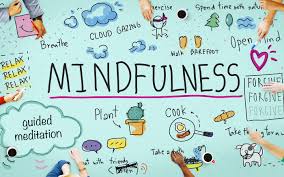
Image result for mindfulness

Mindfulness is the exact opposite of such default processes. It’s executive control rather than autopilot and enables intentional actions, willpower, and decisions. But that takes practice. The more we activate the intentional brain, the stronger it gets. Every time we perform something deliberate and new, we stimulate neuroplasticity, activating our grey matter, which is full of newly sprouted neurons that have not yet been groomed for the “autopilot” brain.

But here’s the issue. While our intentional brain knows what exactly is most beneficial us, our autopilot brain causes us to shortcut our way through life. So just how is it possible to trigger ourselves to be mindful when we require it most? It is here that the notion of “behavior design” is available. It’s a way to put your intentional brain within the driver’s seat. There are a couple of methods to do that—first, slowing down the autopilot brain by putting obstacles within its way, the number two, removing barriers in the path of the intentional mind, therefore it can gain control.
Shifting the balance to provide your intentional brain more power takes some work, though. Here are a few ways to get started.

Put meditation reminders near you. If you intend to perform yoga as well as to meditate, put your yoga mat or your meditation cushion amid your floor. Therefore, you can’t miss it as you walk. Refresh your reminders regularly. Say you choose to utilize sticky notes to remind yourself of a new intention. That may function for a couple of weeks, however, your autopilot brain and old habits take over again. Try writing new notes to yourself; add variety, or make her funny. That way, they’ll stick with you longer. Create unique patterns. You could try a series of “If this, then that” messages to develop easy reminders to shift into the intentional brain. For instance, you might come up with, “If office door, then a deep breath,” as a change in means into mindfulness as you deal with to begin your workday. Or, “If phone rings have a breath before answering.” Each intentional action to shift into mindfulness will strengthen your conscious brain.

Author Resource Box:
https://www.mindful.org/how-to-meditate/