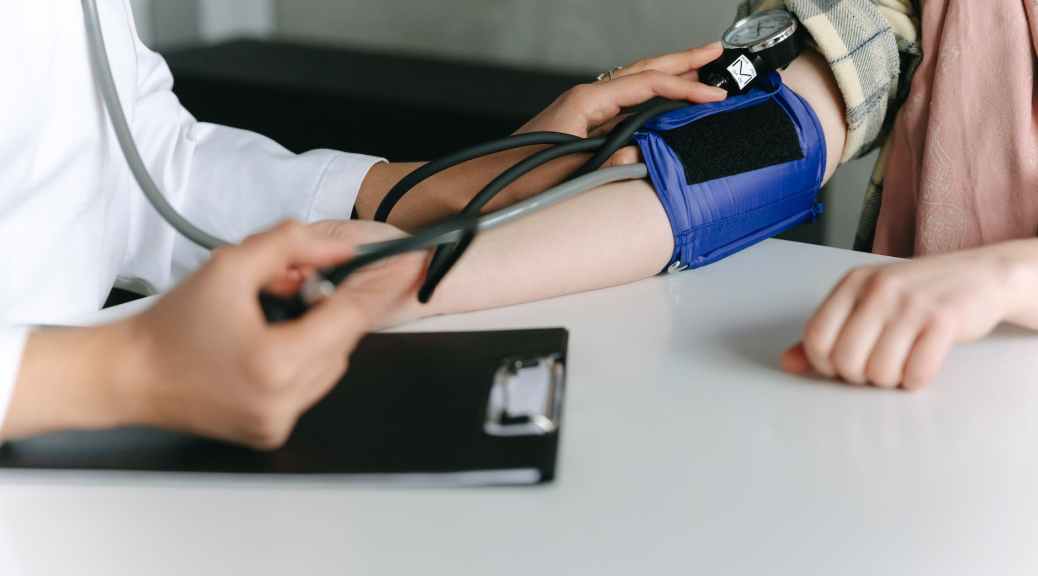
Blood Pressure Reading May Differ When Taken Lying Down
Getting your blood pressure taken is a routine part of any visit to the doctor’s office. But did you know that the position you’re in during the measurement can impact the results significantly? Recent research suggests that having your blood pressure taken while lying down may provide more accurate readings and better predictions of certain health risks.
Why Your Position Matters
The American Heart Association presented findings that shed light on how the physical position during a blood pressure measurement can affect the readings and, consequently, our understanding of health risks. The study revealed that adults who exhibited high blood pressure while sitting upright and lying flat on their backs had a higher risk of stroke, heart failure, premature death, and heart disease compared to those who didn’t have high blood pressure in either position.
Surprisingly, adults who had high blood pressure readings while lying down but not while sitting upright faced similar risks as those with high blood pressure in both positions. These findings emphasize the importance of considering blood pressure readings in different positions to gain a more comprehensive understanding of cardiovascular health.
Surprising Results
The lead author of the study, Duc M. Giao, a researcher and medical student at Harvard Medical School, expressed surprise at the potent predictive power of supine (lying down) blood pressure for cardiovascular disease events. This unexpected discovery challenges the traditional practice of measuring blood pressure while patients are seated.
Understanding the Discrepancy
While these results may raise questions about the accuracy of blood pressure measurements in different positions, it’s essential to clarify that healthcare providers are not necessarily doing something wrong by measuring blood pressure while patients are sitting up. The discrepancy observed in some individuals between blood pressure readings in the seated and supine positions may be due to specific circumstances affecting those individuals.
Takeaway for Patients
For patients, the key takeaway is that high blood pressure remains a critical indicator of cardiovascular health. Identifying high blood pressure is a crucial step in cardiovascular intervention. However, there’s no one-size-fits-all approach to measuring blood pressure in different positions. While these findings suggest that it might be worthwhile for some individuals to have their blood pressure taken while lying down, it’s essential to consider individual circumstances.
Future Research
In the future, researchers plan to compare supine blood pressure measurements taken in clinical settings with those obtained overnight. This will provide further insights into the variations in blood pressure readings and help refine our understanding of how different factors can influence these readings.
Keeping It Simple
While it’s valuable to be aware of the potential differences in blood pressure readings based on position, it’s also crucial not to overcomplicate the process for patients. Monitoring your numbers regularly, including your blood pressure, remains an essential part of understanding your risk of heart disease. Your healthcare provider can guide you on the best approach for measuring and managing your blood pressure based on your unique health profile.
In conclusion, while the position during blood pressure measurement may impact readings, the focus should remain on early detection and intervention for high blood pressure—a crucial aspect of cardiovascular health management.
Cited Work
Mastroianni, Brian. “High Blood Pressure Readings Taken While Lying Down May Better Predict Heart Health Issues.” Health, September 25, 2023. https://www.health.com/blood-pressure-reading-lying-down-7971756.
 The Dantzler Report!