All posts by Kenneth Dantzler-Corbin

I am a writer, editor, adjunct professor of Religion and Philosophy, English as a Second Language, Genealogy, Educator in Ambulatory Care, and Spiritual Support Specialist, Singer, Musician, and Social Justice Advocate for Human Rights.

Deciphering the DNA Code of Blood Sugar: Groundbreaking Insights from a GWAS Meta-Analysis

Introduction

In a groundbreaking study published in Nature Genetics, researchers have embarked on a journey to decode the intricate genetic web that underlies blood glucose regulation. This genome-wide association study (GWAS) meta-analysis, conducted on an astonishingly vast scale, offers unparalleled insights into the pathophysiology of diabetes, its complications, and potential avenues for personalized treatment strategies.

The Complex World of Blood Glucose Regulation

Glucose, the primary fuel for our bodies, is under strict genetic control. Imbalances in glucose regulation play a pivotal role in developing type 2 diabetes (T2D). While previous studies have explored the genetic factors influencing glucose levels in response to various challenges, this study takes a broader perspective by examining random glucose (RG) levels. Although inherently more variable than standardized measures, RG provides a comprehensive snapshot of the complex processes governing glucose regulation across multiple organ systems.

The Study Unveiled

In this ambitious study, researchers conducted a GWAS meta-analysis involving 476,326 non-diabetic individuals of diverse ancestries. They meticulously adjusted their analyses for factors like sex, age, and the time elapsed since their last meal. The study excluded individuals with diabetes or hyperglycemia and employed sophisticated statistical models to select the most relevant covariates.

The results of this colossal undertaking were nothing short of remarkable. The researchers identified a whopping 150 distinct signals within 120 loci, with 53 signals being reported for the first time in the context of glycemic traits. Intriguingly, some signals identified in individuals of European ancestry exhibited nominal significance in people of other ancestries. Furthermore, two-thirds of these RG signals overlapped with loci related to T2D, highlighting the intricate interplay between blood glucose regulation and diabetes.

Unraveling the Genetic Complexity

Perhaps one of the most fascinating discoveries was the presence of sex dimorphism at 13 RG loci. The study also revealed common and low-frequency coding variants in genes such as THADA, RREB1, TET2, NMT1, and RFX1. These variants, with varying minor allele frequencies, exerted diverse effects on RG levels, further emphasizing the genetic complexity of glucose regulation.

The Role of GLP1R in Blood Glucose Regulation

The researchers prioritized GLP1R, a known target for T2D treatment, for functional analysis. They used RG data to develop a framework for predicting responses to GLP-1R agonists. The study showed that the functional impact of specific GLP1R variants could be linked to blood glucose homeostasis, validating the critical role of this gene in glucose regulation.

A Glimpse into Tissue and Cell Types

The researchers conducted comprehensive analyses to uncover the tissues and cell types involved in glucose metabolism. Their findings highlighted the importance of the colon, ileum, cartilage, adrenal glands, pancreas, and adrenal cortex. These insights could pave the way for a deeper understanding of how different body parts contribute to glucose regulation.

Intestinal Health and Genetic Associations

It was also interesting to see how RG variants are related to intestinal health, especially in two genera (Collinsella and Lachnospiraceae-FCS020) that are involved in making glucose from galactose and lactose. This multi-omics approach provided substantial evidence for the associations between RG variants and gut microbiota.

Blood Glucose’s Impact on Lung Function

Lastly, the study examined the genetic correlations between RG and other phenotypes. Positive genetic correlations were found with squamous cell lung cancer and lung cancer, while inverse correlations were observed with lung function-associated traits like FEV1 and FVC. Bidirectional Mendelian randomization demonstrated the causal effects of T2D and RG on lung function decline, uncovering a new diabetes complication.

Conclusion

In summary, this monumental GWAS meta-analysis has unveiled 44 additional loci associated with glycemic traits, validated the role of GLP1R in glucose regulation, and shed light on underexplored mediators of glycemic control, particularly the intestines. Furthermore, it confirmed the causal relationship between glycemic dysregulation and lung function decline, elevating lung dysfunction as a new complication of diabetes. This study deepens our understanding of blood glucose regulation and opens exciting avenues for future research and personalized diabetes management.

Cited Works
Reik, Anna. “Genetic and dietary predictors for the postprandial glucose response and possible implications of the postprandial metabolic phenotype on weight management.” PhD diss., Technische Universität München, 2023.

Fradin, Delphine, and Pierre Bougneres. “T2DM: Why Epigenetics?”” Journal of Nutrition and Metabolism 2011 (2011).

Foreman, Judy. A nation in pain: Healing our biggest health problem. Oxford University Press, USA, 2014.

Revealing the Hidden Battlefront: How Cryo-EM Unlocks the Secrets of Mucosal Host-Pathogen Warfare

Introduction

In a recent study published on the bioRxiv* preprint server, researchers delved deep into the intricate world of mucosal host-pathogen interactions. Using cutting-edge cryogenic-electron microscopy (cryo-EM), they have unveiled the detailed structures of secretory immunoglobulin A (sIgA) complexes with Streptococcus pyogenes M4 and human CD89. This groundbreaking research offers a fascinating glimpse into the molecular battleground where our immune system confronts microbial invaders, shedding light on the mechanisms that govern these crucial interactions.

*Disclaimer: It is important to note that BioRxiv publishes preliminary scientific reports that are not peer-reviewed and should not be considered conclusive or used to guide clinical practice.

Understanding the Basics

Before diving into the study’s findings, let us lay some essential groundwork. Immunoglobulin A, or IgA, exists in monomeric (mIgA) and secretory (sIgA). While mIgA circulates in the bloodstream, sIgA is found in mucosal secretions, such as saliva and tears. Both forms of IgA possess fragment antigen-binding (Fab) and Fc regions, but sIgA is the frontline defender against pathogens at mucosal surfaces.

The research was mostly about how sIgA interacts with two essential parts of the host-pathogen relationship: CD89, a human receptor, and Streptococcus pyogenes M4 (GAS M4), a virulence factor. GAS M4 and other M proteins play a pivotal role in modulating the host immune response, binding to IgA, and influencing the course of infection.

The Stakes Are High

Understanding these interactions is more than just an academic exercise. Streptococcus pyogenes, responsible for conditions like tonsillitis and more severe invasive infections, poses a significant global health threat. It is estimated that over 1.78 million new GAS-related invasive infections occur annually, leading to more than 160,000 deaths worldwide. Therefore, gaining insights into how these bacteria interact with the host’s immune system is paramount.

The Study Unveiled

The researchers in this study employed cryo-EM to examine the structures of sIgA-M4 and sIgA-CD89 complexes at remarkably high resolutions. This technology allowed them to scrutinize the atomic details of these complexes, shedding light on their intricate architectures.

One key finding was that CD89 and M4 shared five common amino acid residues in their interactions with sIgA but displayed distinct binding stoichiometry. This suggests that while these binding sites were conserved on both sIgA forms, they exhibited different accessibility to host receptors and microbial proteins.

A Twist in the Tale

One of the most intriguing discoveries was that the sIgA-M4 complex exhibited a steric 1:1 M4:sIgA stoichiometry, leading to an asymmetric sIgA structure. This meant that M4 bound to sIgA in a way that was different from its binding to other regions, opening up exciting possibilities for future research.

Additionally, the study found variations in the binding of CD89 to sIgA in different contexts. The orientation and spacing of bound CD89 molecules differed between sIgA and mIgA. This means that each sIgA may have its own CD89 binding sites, which could change how CD89 clusters and, in turn, how IgA effector functions.

Implications and Future Directions

The study’s findings imply that sIgA may have significantly shaped the evolution of Streptococcus pyogenes. Understanding these interactions could be pivotal for developing strategies to combat GAS and other pathogenic bacteria effectively.

Moreover, the concept that host sIgA effector functions are crucial in the antimicrobial response extends beyond GAS. Other pathogenic bacterial species like S. aureus and S. pneumoniae have been found to bind to sIgA, potentially modulating their virulence and host responses.

In conclusion, this cryo-EM study represents a significant step in understanding mucosal host-pathogen interactions. It provides valuable insights into Streptococcus pyogenes and opens up exciting avenues for future research, offering hope for improved strategies to combat infectious diseases and enhance our understanding of the intricate dance between our immune system and microbial invaders.

Cited Works
Responses – viagrawithoutdoc. https://viagrawithoutdoc.com/tag/responses

Genomic sequencing supports a long-term infection as source of SARS-CoV-2 Omicron – JUSTBALANCINGHEALTH. https://justbalancinghealth.com/health-news/genomic-sequencing-supports-a-long-term-infection-as-source-of-sars-cov-2-omicron/

Georgia State Researchers Survey Antibodies to SARS-CoV-2 in Blood Samples of Local Residents – Georgia State University News – Institute for Biomedical Sciences, Press Releases, Research, University Research – Health & Wellness. https://news.gsu.edu/2020/05/01/georgia-state-researchers-survey-antibodies-to-sars-cov-2-in-blood-samples-of-local-residents/

Hao, Ya, et al. “A Prospective on Multiple Biological Activities of Lactoferrin Contributing to Piglet Welfare.” Biochemistry and Cell Biology, 2021, https://doi.org/10.1139/bcb-2020-0078.

Andargie, Temesgen E., and Ermias D. Ejara. “Pro- and Anti-inflammatory Cytokines in Visceral Leishmaniasis.” Journal of Cell Science & Therapy, 2016, https://doi.org/10.4172/2157-7013.1000206.

Unlocking the Power of Meditation: Techniques, Benefits, and Scientific Insights

Subscribe to continue reading

Subscribe to get access to the rest of this post and other subscriber-only content.

Revolutionizing Kidney Health: Artificial Kidney Implant Sparks Hope for a Brighter Future

Subscribe to continue reading

Subscribe to get access to the rest of this post and other subscriber-only content.

Cracking the Code of Autism’s Neural Mysteries: The Game-Changing Twin Study You Need to Know About

Subscribe to continue reading

Subscribe to get access to the rest of this post and other subscriber-only content.

Unlocking the Mystery of Aphantasia: The Astonishing World of the Mind’s Eye Gone Dark

Subscribe to continue reading

Subscribe to get access to the rest of this post and other subscriber-only content.

Nature or Nurture? Unraveling the Complexity of People-Pleasing Behavior

Subscribe to continue reading

Subscribe to get access to the rest of this post and other subscriber-only content.

Given that eye dominance can change due to factors like surgery or injury, are there any recommended protocols or exercises for helping individuals adapt to a new dominant eye, especially for those engaged in tasks that require high levels of eye-hand coordination?

The implications of having a dominant eye not on the same side as your dominant hand can be complex, especially for tasks that require fine coordination between the hand and the eye, such as archery, shooting, or even some sports. For example, in archery, your dominant eye helps in aiming, but your dominant hand is responsible for pulling the bowstring. If your dominant eye and hand are not on the same side, this could create a conflict that requires specialized training. Some people adapt to this misalignment by learning to be more ambidextrous in these specific tasks, while others may utilize equipment designed to accommodate their specific hand-eye dominance pattern. The misalignment can present an initial challenge but is manageable with proper training and adaptation.

As of the last update in September 2021, more extensive research is needed to suggest that eye dominance significantly impacts the development or exacerbation of specific eye conditions like cataracts, lazy eye, or astigmatism. Eye dominance primarily deals with preference and habitual use rather than physiological differences that would make one eye more susceptible to disease. However, it is conceivable that the more frequently used eye may experience more fatigue or strain, although this is speculative. If you have concerns about these issues, it is always best to consult an eye specialist for a comprehensive evaluation.

DIY tests like the triangle and pointing tests are generally considered reliable for assessing eye dominance. However, professional evaluations like the +1.50D blur test may be more accurate. The DIY tests are based on superficial observations and may be subject to user error. In contrast, professional tests are conducted under controlled conditions and may involve multiple measures to confirm the results. Therefore, while DIY tests can provide a good starting point for determining eye dominance, they should not replace a comprehensive eye exam, especially if you have existing eye conditions or concerns about your vision.

Eye dominance can change due to various factors, such as eye surgery, injury, or other conditions affecting vision in one eye. For example, if someone develops a cataract in their dominant eye, the reduced visual acuity could lead to a shift in eye dominance as the brain starts relying more on the eye with clearer vision. Such shifts in eye dominance can affect daily activities and specialized tasks that depend on eye-hand coordination, such as driving, sports, or even simple tasks like pouring a cup of coffee. Any shift in eye dominance may require an adjustment period and, in some cases, retraining to adapt to the new dominant eye for specific tasks.

What Your Dominant Eye Does And How To Find It. https://www.healthdigest.com/1387604/how-to-find-dominant-eye/

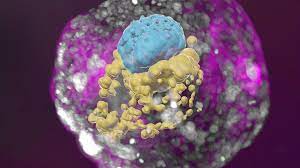
Scientists Grow Model Human Embryo Without Sperm or Egg: A Leap Forward in Understanding Human Development

Introduction

In a groundbreaking experiment that could revolutionize our understanding of human development, scientists have successfully grown a model human embryo without using sperm or egg cells. This unprecedented achievement marks an important milestone in the field of developmental biology. It opens the door to numerous possibilities for studying early human development and the ethical discussions surrounding such advancements.


The Experiment

A team of scientists, utilizing a sophisticated combination of stem cells and carefully controlled environmental conditions, grew a model human embryo that closely mimics natural development up to a particular stage. Researchers could coax stem cells into organizing themselves into a structure resembling a human embryo by utilizing specific growth factors and a tailor-made environment.

The study aims to provide invaluable insights into the earliest stages of human development and address questions that have puzzled scientists. While traditional methods like animal testing offer some information, they still need to completely mirror the complexities of human biology. This model embryo, however, brings us one step closer to understanding the secrets of how our bodies are built.

Applications and Implications

Medical Research

The potential applications of this research are broad and varied. The research could accelerate our understanding of developmental disorders, congenital diseases, and the mysterious processes that guide cellular development. It might also lead to advances in fertility treatments and offer new avenues for studying reproductive health.

Drug Testing

In pharmaceuticals, the ability to test drugs on human-like systems without risking human lives could speed up drug development. New medications could be tested for their effects on early-stage human development, potentially reducing the need for animal testing.

Ethical Considerations

As with any scientific advancement that tinkers with the fundamentals of life, we must address arising ethical concerns. The model embryo cannot develop into an entire human being. However, the research raises questions about the ethical implications of manipulating early human development, even in a lab setting.

Some of the ethical questions that arise include:

  • At what stage does the model embryo become too “human-like” to experiment?
  • Could this research lead to unauthorized or unethical applications, such as human cloning?
  • How can regulations keep up with such rapidly advancing technology?

Future Outlook

While this experiment takes a remarkable step forward, we must consider its limitations. For instance, the model embryo only mimics development up to a particular stage, and there is still much to learn about later phases of human development.

Moreover, ethical guidelines must keep pace with technological advancements. Regulatory bodies and the scientific community must engage in active dialogue to ensure this research is conducted responsibly.

Conclusion

The successful growth of a model human embryo without the use of sperm or egg cells has brought humanity one step closer to unraveling the complexities of our development. This could have broad applications across various medical research and drug development fields, but it also calls for careful ethical considerations.

As we move forward, it is crucial to proceed with curiosity and caution, ensuring that our pursuit of knowledge does not overstep ethical boundaries. Only then can we fully unlock the potential of such pioneering research.

Maiya Focht,  Scientists grew a model human embryo in a lab without a sperm or egg, bringing humans one step closer to understanding the secrets of how our bodies are built. https://www.businessinsider.com/scientists-made-model-human-embryo-without-sperm-or-egg-2023-9?fbclid=IwAR2_R2xaG924N7Xfkg-klAJawJg_eF1vF-f_DaITVSFD-Q1kChNjgjz7Ozg. Accessed on Sep 7, 2023

Exploring the Special Grand Jury Report on the 2020 Election and its Legal Implications

By Kenneth Dantzler-Corbin, September 9, 2023

Recent events have again cast a spotlight on the American justice system, specifically how it intersects with politics and public figures. A special grand jury has recommended a host of charges relating to the 2020 U.S. Presidential Election, leaving many to wonder about the next steps. This blog post aims to delve into the notable aspects and answer some pressing questions surrounding the issue.

Why Did The Recommendations Differ From DA Fani T. Willis’ Charges?

A special grand jury’s recommendations are just that—recommendations. A District Attorney, such as Fani T. Willis of Fulton County, ultimately can determine which charges, if any, to file. Several factors can contribute to divergent decisions, including:

Interpretation of Law: The DA may have a more conservative or narrow interpretation of criminal activity under the law.

Practical Constraints: Resource constraints or other priorities may affect the DA’s choice of cases.

Burden of Proof: The DA must believe that they can prove the case “beyond a reasonable doubt,” a higher burden than required for a grand jury to recommend charges.

Reliability of Information from the Special Grand Jury

The special grand jury spent seven months collecting evidence and hearing witnesses, a significant duration that suggests thoroughness. However, it is worth noting:

Expertise: The jury was not made up of election law experts or criminal lawyers, which could affect the interpretation of complex laws and facts.

Bias and Influence: Grand juries work in secrecy, so we do not know what, if any, external influences may have swayed their recommendations.

Implications of Public Figures Not Being Charged

The fact that Sen. Lindsey Graham and other public figures have yet to be formally charged could raise questions about the justice system’s impartiality. However, it is essential to note that:

Political Sensitivities: Prosecutors may be cautious to avoid the appearance of politicizing the justice system.

Legal Prudence: The DA may be biding time for a more favorable environment or for more evidence to strengthen the case.

Extensive List of Recommended Charges: Coordinated Effort or Overreach?

The comprehensive list of individuals that the grand jury recommended for indictment could suggest either a broad, coordinated effort to influence the election or potential overreach by the investigative body. This is mainly interpretative and could swing public opinion differently based on the presented evidence and subsequent charges, if any.

Public Interest Vs. Due-Process Rights

Judge Robert McBurney made the grand jury report public, raising concerns about due-process rights for potential future defendants. The balancing act between transparency and safeguarding due process is delicate. Prematurely, while the public has a right to know, releasing such information could compromise a fair trial for the accused.

In conclusion, the legal and social implications of this special grand jury report are numerous and complex. Regardless of one’s political affiliations or opinions, it highlights pressing questions about the justice system, the electoral process, and how public figures interact with both. It is a subject that will likely be debated for some time.

Disclaimer: This blog post is meant for informational purposes and should not be considered legal advice.


Outsourcing services more and more popular – EZYVA. https://www.ezyva.com/outsourcing-services-more-and-more-popular/

Fold Up Bikes: An Uphill Battle? Bobbin Bikes. https://bobbinbikes.com/en-eu/blogs/blog/are-folding-bikes-harder-to-ride

DA to drop murder charge against Denver TV station guard. https://coloradosun.com/2022/03/10/da-drop-murder-charge-tv-station-guard/

Should the Supreme Court oral arguments be televised? https://able2know.org/topic/177969-1