
Subscribe to continue reading
Subscribe to get access to the rest of this post and other subscriber-only content.
Subscribe to get access to the rest of this post and other subscriber-only content.
Subscribe to get access to the rest of this post and other subscriber-only content.
Subscribe to get access to the rest of this post and other subscriber-only content.
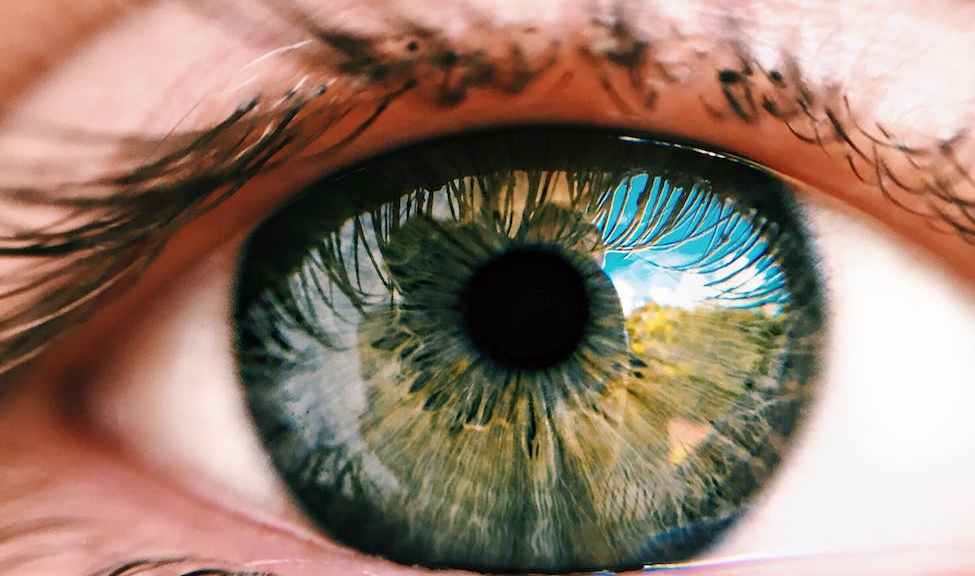
The implications of having a dominant eye not on the same side as your dominant hand can be complex, especially for tasks that require fine coordination between the hand and the eye, such as archery, shooting, or even some sports. For example, in archery, your dominant eye helps in aiming, but your dominant hand is responsible for pulling the bowstring. If your dominant eye and hand are not on the same side, this could create a conflict that requires specialized training. Some people adapt to this misalignment by learning to be more ambidextrous in these specific tasks, while others may utilize equipment designed to accommodate their specific hand-eye dominance pattern. The misalignment can present an initial challenge but is manageable with proper training and adaptation.
As of the last update in September 2021, more extensive research is needed to suggest that eye dominance significantly impacts the development or exacerbation of specific eye conditions like cataracts, lazy eye, or astigmatism. Eye dominance primarily deals with preference and habitual use rather than physiological differences that would make one eye more susceptible to disease. However, it is conceivable that the more frequently used eye may experience more fatigue or strain, although this is speculative. If you have concerns about these issues, it is always best to consult an eye specialist for a comprehensive evaluation.
DIY tests like the triangle and pointing tests are generally considered reliable for assessing eye dominance. However, professional evaluations like the +1.50D blur test may be more accurate. The DIY tests are based on superficial observations and may be subject to user error. In contrast, professional tests are conducted under controlled conditions and may involve multiple measures to confirm the results. Therefore, while DIY tests can provide a good starting point for determining eye dominance, they should not replace a comprehensive eye exam, especially if you have existing eye conditions or concerns about your vision.
Eye dominance can change due to various factors, such as eye surgery, injury, or other conditions affecting vision in one eye. For example, if someone develops a cataract in their dominant eye, the reduced visual acuity could lead to a shift in eye dominance as the brain starts relying more on the eye with clearer vision. Such shifts in eye dominance can affect daily activities and specialized tasks that depend on eye-hand coordination, such as driving, sports, or even simple tasks like pouring a cup of coffee. Any shift in eye dominance may require an adjustment period and, in some cases, retraining to adapt to the new dominant eye for specific tasks.
What Your Dominant Eye Does And How To Find It. https://www.healthdigest.com/1387604/how-to-find-dominant-eye/
In a groundbreaking experiment that could revolutionize our understanding of human development, scientists have successfully grown a model human embryo without using sperm or egg cells. This unprecedented achievement marks an important milestone in the field of developmental biology. It opens the door to numerous possibilities for studying early human development and the ethical discussions surrounding such advancements.
A team of scientists, utilizing a sophisticated combination of stem cells and carefully controlled environmental conditions, grew a model human embryo that closely mimics natural development up to a particular stage. Researchers could coax stem cells into organizing themselves into a structure resembling a human embryo by utilizing specific growth factors and a tailor-made environment.
The study aims to provide invaluable insights into the earliest stages of human development and address questions that have puzzled scientists. While traditional methods like animal testing offer some information, they still need to completely mirror the complexities of human biology. This model embryo, however, brings us one step closer to understanding the secrets of how our bodies are built.
The potential applications of this research are broad and varied. The research could accelerate our understanding of developmental disorders, congenital diseases, and the mysterious processes that guide cellular development. It might also lead to advances in fertility treatments and offer new avenues for studying reproductive health.
In pharmaceuticals, the ability to test drugs on human-like systems without risking human lives could speed up drug development. New medications could be tested for their effects on early-stage human development, potentially reducing the need for animal testing.
As with any scientific advancement that tinkers with the fundamentals of life, we must address arising ethical concerns. The model embryo cannot develop into an entire human being. However, the research raises questions about the ethical implications of manipulating early human development, even in a lab setting.
Some of the ethical questions that arise include:
While this experiment takes a remarkable step forward, we must consider its limitations. For instance, the model embryo only mimics development up to a particular stage, and there is still much to learn about later phases of human development.
Moreover, ethical guidelines must keep pace with technological advancements. Regulatory bodies and the scientific community must engage in active dialogue to ensure this research is conducted responsibly.
The successful growth of a model human embryo without the use of sperm or egg cells has brought humanity one step closer to unraveling the complexities of our development. This could have broad applications across various medical research and drug development fields, but it also calls for careful ethical considerations.
As we move forward, it is crucial to proceed with curiosity and caution, ensuring that our pursuit of knowledge does not overstep ethical boundaries. Only then can we fully unlock the potential of such pioneering research.
Maiya Focht, Scientists grew a model human embryo in a lab without a sperm or egg, bringing humans one step closer to understanding the secrets of how our bodies are built. https://www.businessinsider.com/scientists-made-model-human-embryo-without-sperm-or-egg-2023-9?fbclid=IwAR2_R2xaG924N7Xfkg-klAJawJg_eF1vF-f_DaITVSFD-Q1kChNjgjz7Ozg. Accessed on Sep 7, 2023
By Kenneth Dantzler-Corbin, September 9, 2023
Recent events have again cast a spotlight on the American justice system, specifically how it intersects with politics and public figures. A special grand jury has recommended a host of charges relating to the 2020 U.S. Presidential Election, leaving many to wonder about the next steps. This blog post aims to delve into the notable aspects and answer some pressing questions surrounding the issue.

Why Did The Recommendations Differ From DA Fani T. Willis’ Charges?
A special grand jury’s recommendations are just that—recommendations. A District Attorney, such as Fani T. Willis of Fulton County, ultimately can determine which charges, if any, to file. Several factors can contribute to divergent decisions, including:
Interpretation of Law: The DA may have a more conservative or narrow interpretation of criminal activity under the law.
Practical Constraints: Resource constraints or other priorities may affect the DA’s choice of cases.
Burden of Proof: The DA must believe that they can prove the case “beyond a reasonable doubt,” a higher burden than required for a grand jury to recommend charges.
Reliability of Information from the Special Grand Jury
The special grand jury spent seven months collecting evidence and hearing witnesses, a significant duration that suggests thoroughness. However, it is worth noting:
Expertise: The jury was not made up of election law experts or criminal lawyers, which could affect the interpretation of complex laws and facts.
Bias and Influence: Grand juries work in secrecy, so we do not know what, if any, external influences may have swayed their recommendations.
Implications of Public Figures Not Being Charged
The fact that Sen. Lindsey Graham and other public figures have yet to be formally charged could raise questions about the justice system’s impartiality. However, it is essential to note that:
Political Sensitivities: Prosecutors may be cautious to avoid the appearance of politicizing the justice system.
Legal Prudence: The DA may be biding time for a more favorable environment or for more evidence to strengthen the case.
Extensive List of Recommended Charges: Coordinated Effort or Overreach?
The comprehensive list of individuals that the grand jury recommended for indictment could suggest either a broad, coordinated effort to influence the election or potential overreach by the investigative body. This is mainly interpretative and could swing public opinion differently based on the presented evidence and subsequent charges, if any.
Public Interest Vs. Due-Process Rights
Judge Robert McBurney made the grand jury report public, raising concerns about due-process rights for potential future defendants. The balancing act between transparency and safeguarding due process is delicate. Prematurely, while the public has a right to know, releasing such information could compromise a fair trial for the accused.
In conclusion, the legal and social implications of this special grand jury report are numerous and complex. Regardless of one’s political affiliations or opinions, it highlights pressing questions about the justice system, the electoral process, and how public figures interact with both. It is a subject that will likely be debated for some time.
Disclaimer: This blog post is meant for informational purposes and should not be considered legal advice.
Outsourcing services more and more popular – EZYVA. https://www.ezyva.com/outsourcing-services-more-and-more-popular/
Fold Up Bikes: An Uphill Battle? Bobbin Bikes. https://bobbinbikes.com/en-eu/blogs/blog/are-folding-bikes-harder-to-ride
DA to drop murder charge against Denver TV station guard. https://coloradosun.com/2022/03/10/da-drop-murder-charge-tv-station-guard/
Should the Supreme Court oral arguments be televised? https://able2know.org/topic/177969-1
Subscribe to get access to the rest of this post and other subscriber-only content.
Ever wondered if your sleep position reveals anything about your personality? While conclusive research is sparse, some theories suggest that back sleepers may be quiet, reserved, and no-nonsense people with high standards for themselves and others. However, this seemingly peaceful sleeping style could make you a noisy partner due to snoring and may have specific health implications. Read on to delve deeper into what sleeping on your back might indicate about you.
Most of us hit the bed without giving much thought to our sleeping positions. Whether you’re a fetal position sleeper or a stomach snoozer, you might be surprised to learn that how you sleep could say something about who you are. According to Professor Chris Idzikowski, Director of the Sleep Assessment and Advisory Service and the Edinburgh Sleep Center, if you tend to sleep on your back, you may have a specific set of personality traits.
Idzikowski identifies this back-sleeping posture, where your legs are stretched out straight below you and your arms are pinned to your sides, as the “soldier position.” According to his analysis, this suggests you might be quiet, reserved, and have high standards for yourself and others.
If you’re a soldier sleeper, your partner might not find nights as peaceful. Dr. Michael Breus, an advisory board member of SleepScore Labs, notes that back sleeping narrows your throat, making snoring louder and more frequent.
Sleeping on your back has its pros and cons. It’s beneficial for those with acid reflux and may prevent premature aging. However, Dr. Andrew Bang, a chiropractor, warns that it could lead to lower back pain if your legs are flat on the bed. To alleviate this, consider placing a pillow under your knees.
Another variation of back sleeping is the “starfish” position, where your arms and legs are not strictly straight but are stretched out. According to Idzikowski, starfish sleepers are excellent listeners and helpful friends who don’t crave the limelight, despite taking up considerable bed space. Like the soldier position, starfish sleepers are prone to snoring and may benefit from the same health pros and cons.
Sleeping on your back could potentially reveal a lot about your personality and even your health. Whether you’re a “soldier” or a “starfish,” each comes with its unique set of characteristics and health implications. While these insights might not prompt a complete sleep makeover, they do offer food for thought.
Read More: HealthDigest
Chris Idzikowski – Watkins Publishing. https://watkinspublishing.com/book_author/chris-idzikowski-phd/
Read More: HealthDigest
Become a paid subscriber to get access to the rest of this post and other exclusive content.
Fall traditionally heralds the return of pumpkin spice lattes, cozy sweaters, and colorful foliage. However, it also marks the onset of the flu season, and this year, as in the past couple of years, it includes a continued struggle with COVID-19 and the rise of another concerning virus, RSV (Respiratory Syncytial Virus). As we approach another potential “tripledemic,” there is new hope with updated vaccines for COVID-19, RSV, and the annual flu shot.
The Updated COVID-19 Vaccines
The COVID-19 situation remains fluid, with variants such as Omicron’s descendant, XBB.1.5, throwing new challenges at healthcare professionals and vaccine manufacturers alike. Pfizer, Moderna, and Novavax have updated their COVID-19 vaccines to target this specific variant. With FDA approval expected soon, these shots are an integral part of the plan to avoid another catastrophic respiratory season.
Effectiveness
Recent lab tests indicate that the updated COVID-19 vaccines will offer crossover protection against the most prevalent coronavirus strains. While earlier vaccinations offered some defense, especially against severe disease and death, their efficacy waned. This warning makes the updated booster shots crucial for continued protection.
The Importance of the Flu Vaccine
Influenza is no minor adversary. It poses significant risks to the young, the elderly, and those with underlying health conditions. According to the Centers for Disease Control and Prevention (CDC), it is recommended that anyone aged six months and older get an annual influenza vaccine. Seniors can choose from three kinds of flu shots designed to ramp up an older adult’s immune system more effectively.
RSV Vaccines Finally Arrive
RSV is the least discussed but equally worrying virus. While generally manifesting as a cold-like ailment, it can be deadly for children under five and older adults. New RSV vaccines from GSK and Pfizer are now approved for adults 60 and older and recommended for pregnant women to protect their newborns.
For Babies
Another preventative measure against RSV for infants is a lab-made antibody injection, recently approved and known as Beyfortus. This one-dose drug is recommended for all infants younger than eight months before their first RSV season.
Can You Get All the shots at Once?
Yes, you can. The CDC advises that receiving a flu shot and a COVID-19 shot simultaneously has no detrimental effects on their efficacy or side effects. For those who are eligible, adding an RSV shot to the mix could be discussed with healthcare providers.
A Call to Action
Seriously, with hospitalizations due to COVID-19, flu, and RSV putting tremendous strain on healthcare systems, taking preventative measures is more important than ever. Updated vaccines are weapons in our arsenal that can make a real difference. As we await more detailed advice from health organizations on the most effective way to use these vaccines, one message is clear: the more people get vaccinated, the safer we will be. So, this fall, consider it your civic duty to get your shots—not just for your health but for the community’s collective well-being.
September Is National Food Safety Education Month. (2016). In FEW’s News (Vol. 48, Issue 5, p. 3). Federally Employed Women, Inc.
Flu Shots for Children are More Important Than Ever. https://www.familiesfightingflu.org/getting-your-child-their-flu-shot-now-is-more-important-than-ever/







 The Dantzler Report!