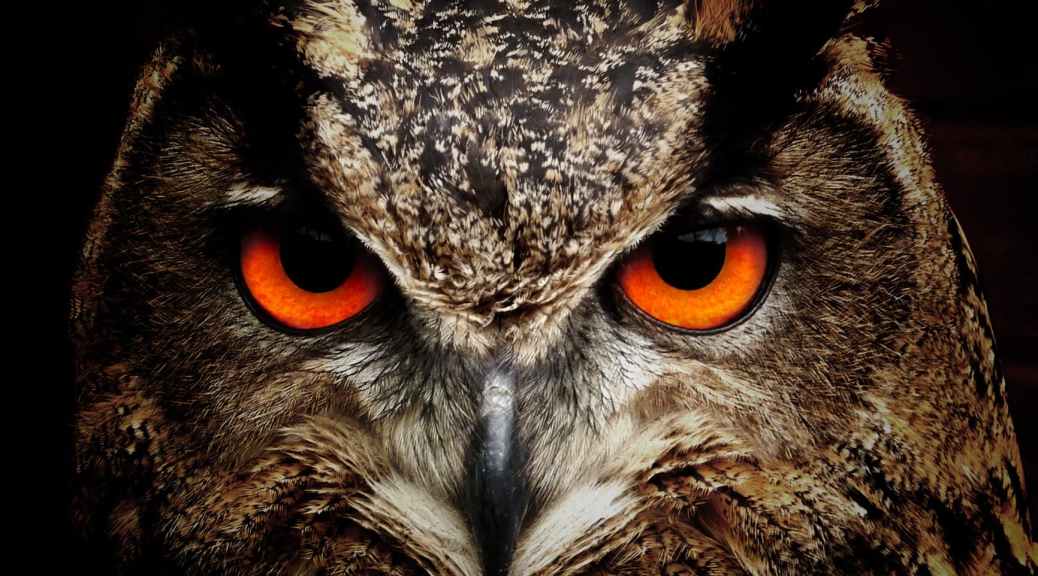
Night owls, beware! If you feel groggy in the morning but perky in the evening, you might identify as a night owl, inclined to stay up late and sleep in. While this sleep pattern may seem harmless, a recent study has uncovered a concerning connection between being a night owl and an increased risk of developing type 2 diabetes and several unhealthy lifestyle habits.

Lead author Sina Kianersi, a postdoctoral research fellow at Brigham and Women’s Hospital and Harvard Medical School in Boston, explains, “When we looked at the relationship between chronotype and diabetes, we found night owls had a 72% increased risk of developing diabetes over the eight years of our study.”
Even more alarming is that night owls exhibit various unhealthy behaviors that contribute to chronic diseases like type 2 diabetes. They were more likely to have a poor diet, be less physically active, consume higher quantities of alcohol, maintain an unhealthy BMI (body mass index), smoke, and either sleep less or more than the recommended seven to nine hours per night.
Even when the study accounted for these unhealthy habits, night owls still faced a 19% increased risk of developing type 2 diabetes compared to early birds. This suggests that genetic factors or other unaccounted variables also play a role.
Dr. Bhanu Prakash Kolla, a sleep medicine specialist at the Mayo Clinic, emphasizes the importance of awareness for evening-oriented individuals. He suggests moderating alcohol use, quitting smoking, increasing physical activity, getting adequate sleep, and managing other risks as best as possible.
Our internal body clocks, or circadian rhythms, control our sleep patterns, which are subject to genetic and environmental influences. Early birds have circadian rhythms that promote early mornings, while night owls have rhythms that delay peak activity until the afternoon or evening. When these rhythms are disrupted, it can lead to a domino effect of adverse health consequences, including an increased risk of diabetes and cardiovascular disease.
Studies have consistently shown that early birds perform better in school, are more active throughout the day, and have a lower risk of cardiovascular disease. In contrast, night owls tend to develop unhealthy habits that can lead to early mortality.
The study, which followed nearly 64,000 nurses over eight years, found that the association between being a night owl and developing type 2 diabetes was more significant for those who worked during the day than for night owls who had later work hours or worked overnight shifts. This suggests that personalized work scheduling could help mitigate some of the risks of being a night owl.
While genetics may play a role in one’s chronotype, maintaining a healthy lifestyle remains crucial. Night owls can reduce their risk of developing type 2 diabetes and other chronic illnesses by adopting a healthier way of living. So, consider this a wake-up call for all the night owls to prioritize their health and well-being.
Genetic, environmental, and lifestyle factors affect being a night owl or having a preference for staying up late and sleeping in. While the exact genetic factors contributing to night owl behavior are still being studied, here are some insights into the genetic aspects that may play a role:
- Clock Genes: Clock genes are one of the critical genetic factors in regulating our sleep-wake patterns. These genes control our circadian rhythms, the internal body clock determining when we feel alert and sleepy. The PERIOD genes (PER1, PER2, and PER3) and the CLOCK gene are examples of genes that influence circadian rhythms. Variations in these genes can lead to differences in the timing of sleep.
- Melatonin Receptors: Melatonin is a hormone that plays a crucial role in regulating sleep. The genes responsible for coding melatonin receptors, such as MTNR1A and MTNR1B, can impact how individuals respond to melatonin production, which varies throughout the day. Genetic variations in these receptors can affect an individual’s sleep-wake preferences.
- DEC2 Gene: Some studies have identified the DEC2 gene as a potential contributor to being a night owl. This gene is associated with short sleep patterns and is linked to people who can function well with fewer hours of sleep.
- PER3 Gene: The PER3 gene regulates the circadian rhythm’s sensitivity to light. Variations in this gene can affect how individuals respond to light cues and influence their sleep patterns.
- RORA Gene: The RORA gene regulates sleep duration and timing. Variations in this gene have been linked to differences in circadian rhythms and sleep preferences.
- Genetic Variability: It is essential to note that multiple genetic variations can contribute to being a night owl. These genetic factors can interact with each other and with environmental influences, making it a complex trait influenced by both nature and nurture.
While genetics plays a role, it is essential to recognize that environmental factors, such as work schedules, lifestyle choices, and exposure to light, can also significantly impact an individual’s sleep-wake patterns. Genetic predispositions do not determine behavior definitively but can make specific sleep patterns more likely.
Research in this field is ongoing, and our understanding of the genetic basis of night owl behavior continues to evolve as more studies are conducted.
Cite Works:
Okeefe, Christine. “From early birds to night owls: a review of chronobiology.” (2023).
Zhou, Ke, Marios Constantinides, Daniele Quercia, and Sanja Šćepanović. “How Circadian Rhythms Extracted From Social Media Relate to Physical Activity and Sleep.” In Proceedings of the International AAAI Conference on Web and Social Media, vol. 17, pp. 948-959. 2023.
Schilling, Ray. “Lung Cancer Screening Program.” Lung Cancer (2023).
Migliaccio, Gian Mario. The Science of Deep Sleep, Towards Success: Unleashing energies in Sports and Life thanks to quality sleep. Sport Science Lab srl, 2023.
 The Dantzler Report!