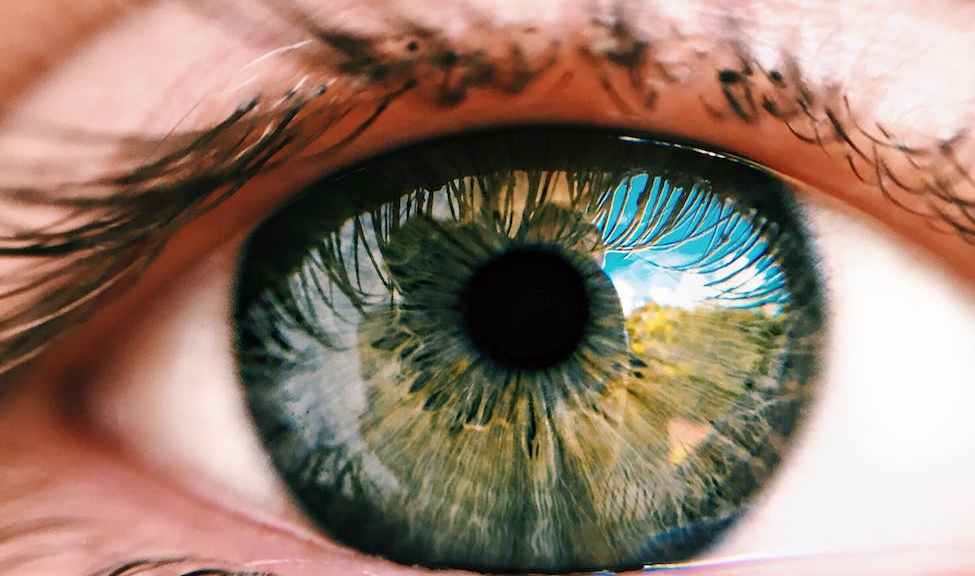
The implications of having a dominant eye not on the same side as your dominant hand can be complex, especially for tasks that require fine coordination between the hand and the eye, such as archery, shooting, or even some sports. For example, in archery, your dominant eye helps in aiming, but your dominant hand is responsible for pulling the bowstring. If your dominant eye and hand are not on the same side, this could create a conflict that requires specialized training. Some people adapt to this misalignment by learning to be more ambidextrous in these specific tasks, while others may utilize equipment designed to accommodate their specific hand-eye dominance pattern. The misalignment can present an initial challenge but is manageable with proper training and adaptation.
As of the last update in September 2021, more extensive research is needed to suggest that eye dominance significantly impacts the development or exacerbation of specific eye conditions like cataracts, lazy eye, or astigmatism. Eye dominance primarily deals with preference and habitual use rather than physiological differences that would make one eye more susceptible to disease. However, it is conceivable that the more frequently used eye may experience more fatigue or strain, although this is speculative. If you have concerns about these issues, it is always best to consult an eye specialist for a comprehensive evaluation.
DIY tests like the triangle and pointing tests are generally considered reliable for assessing eye dominance. However, professional evaluations like the +1.50D blur test may be more accurate. The DIY tests are based on superficial observations and may be subject to user error. In contrast, professional tests are conducted under controlled conditions and may involve multiple measures to confirm the results. Therefore, while DIY tests can provide a good starting point for determining eye dominance, they should not replace a comprehensive eye exam, especially if you have existing eye conditions or concerns about your vision.
Eye dominance can change due to various factors, such as eye surgery, injury, or other conditions affecting vision in one eye. For example, if someone develops a cataract in their dominant eye, the reduced visual acuity could lead to a shift in eye dominance as the brain starts relying more on the eye with clearer vision. Such shifts in eye dominance can affect daily activities and specialized tasks that depend on eye-hand coordination, such as driving, sports, or even simple tasks like pouring a cup of coffee. Any shift in eye dominance may require an adjustment period and, in some cases, retraining to adapt to the new dominant eye for specific tasks.
What Your Dominant Eye Does And How To Find It. https://www.healthdigest.com/1387604/how-to-find-dominant-eye/
 The Dantzler Report!